Home Blog Page 26

Sierra Leoneans React to former VP’s Reported Death

1


Samuel Bangura (right). Photo: The AfricaPaper File.

By Abubakarr Kamara | The AfricaPaper

Freetown, Sierra Leone – When Samuel Bangura died over the weekend in Israel, The Times of Israel, erroneously reported that ousted Vice President, Samuel Sam-Sumana had died in Israel while responding to a hip transplant in a private hospital. Most Sierra Leoneans, regardless of their political affiliation were appalled by the news.

Timely Death?

While some were praying for his soul to rest in perfect peace, others were blaming the ruling All People’s Congress (APC) party for what they described as being the “source of the VP’s untimely death.”

Philip Sesay, a human right activist described the news as unfortunate, noting that the former VP was a victim of circumstance, in reference to his first and second term appointment as running mate for the APC party. He called for an investigation into the former VP’s reported death to allay public fear of a foul play.

Phone Calls
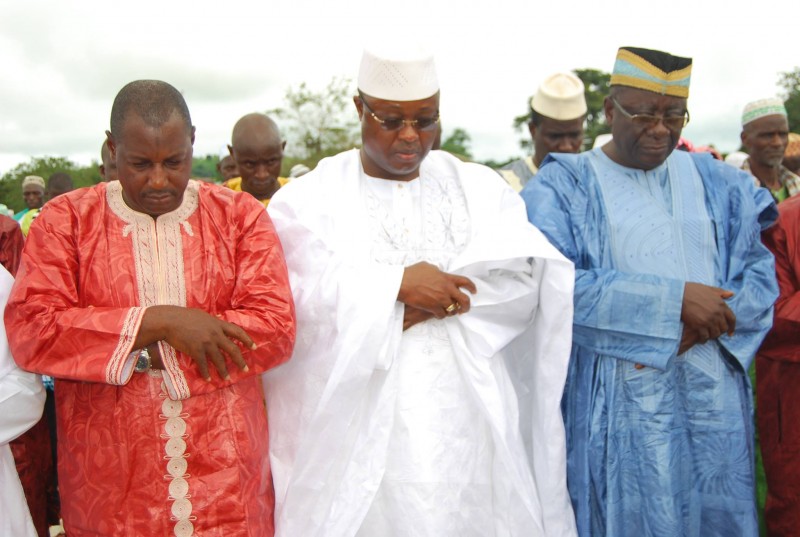
VP Sumana (center) Expelled from APC

Several people who had contact with the former Vice President and his family inundated them with phone calls to confirm the news that had went viral on social media in a couple of minutes. Later it was confirmed that the expelled Vice President was alive, and in good health.

BBC’s Umaru Fofana posted on his Facebook and Twitter pages that the report by an Israeli newspaper that Sierra Leone’s former Vice President, Samuel Sam-Sumana has died in the Jewish nation is totally false.

Black Lie

“Report in a so-called Israeli newspaper that Sierra Leone’s former Vice President, Samuel Sam-Sumana has died in the Jewish nation is totally false. I just spoke to Mr. Sam-Sumana in Freetown who laughed it off,” Umaru Fofana posted on his Facebook page.

Dr. David Tam Baryoh, presenter of Sierra Leone’s most popular program, ‘MONOLOGUE’ posted in a WhatsApp group that the news is a black lie.

“… Now we are peddling with a news of Sam Sumana’s death. This is a lie. A black lie and a wishful thinking. The next news should be: Who wants Sam Sumana dead?,” wrote Baryoh.

Reporting Death

An Israeli newspaper, “The Times of Israel” reported on Saturday afternoon that former vice president of Sierra Leone, Samuel Sam-Sumana has died of a heart attack in Israel while recovering from a hip surgery. The 53 year old was reported to have traveled to Israel two weeks ago for a hip replacement surgery at a private hospital.

The newspaper reported that paramedics were called to the Netanya Hotel where the former VP was recovering from the surgery, and was later pronounced dead at the scene after unsuccessful attempts to resuscitate him.

After receiving a correction correspondence from the Deputy Minister of Internal Affairs, Sheka Tarawallie, a former journalist, the newspaper reported on its website that it got the news from Channel 2- an Israeli television, that had erroneously reported the story.

Expelled
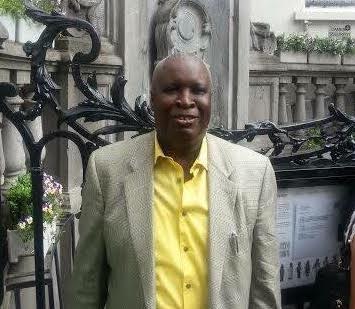
Samuel Bangura. Photo: The AfricaPaper File

In March this year, Sam Sumana was expelled by the ruling All People’s Congress (APC) party after an investigation accused him of creating a rival political movement, and fomenting violence in his home district of Kono. He was formally sacked by President Ernest Bai Koroma after he was accused of seeking asylum at the US embassy in Freetown.

Meanwhile, the Office of the First Lady has announced that its Policy Adviser, Mr. Samuel Bangura has died in Israel on Saturday, Oct. 3, after he undergoing a hip surgery and later had a sudden heart attack. |TAP| Africa’s Newspaper of Record.

The AfricaPaper: Abubakarr Kamara, based in Sierra Leone’s capital Freetown, is The AfricaPaper’s West Africa Correspondent.
 

Pedal Power in Malawi

0


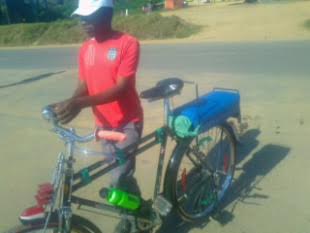
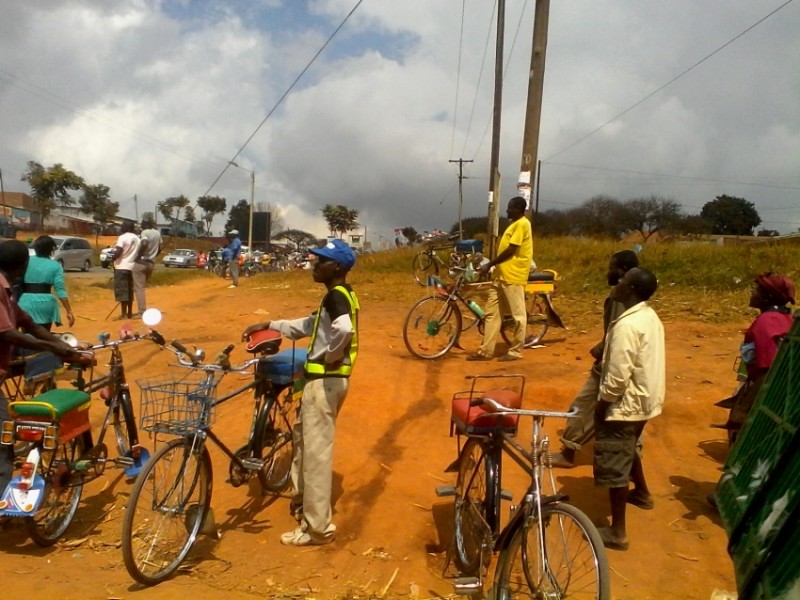
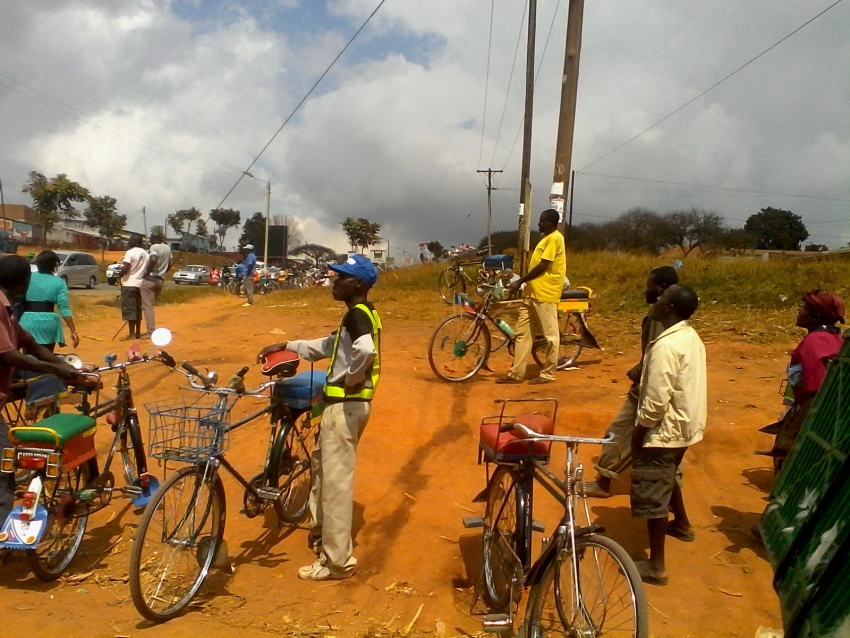
Bike Taxi in Malawi
Bike Taxi in Malawi

Youths are combating unemployment through bicycle-taxis in one of Africa’s poorest countries.

By Henry Kijimwana Mhango | The AfricaPaper

Lilongwe, Malawi – Bicycle-taxis are becoming a main mode of transport in Malawi, attracting many recent graduates into this informal employment sector.

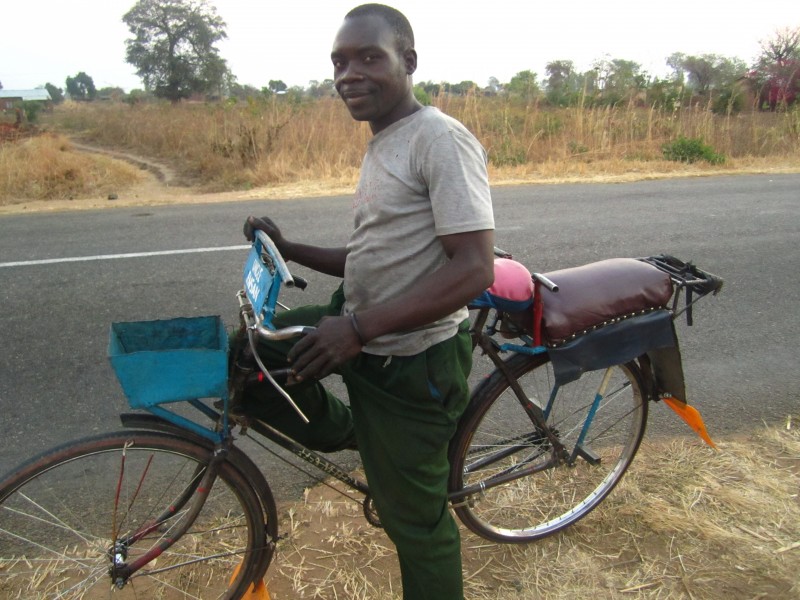
“I decided to engage into this entrepreneurship business after failing to access a teaching job at the Ministry of Education,” said Joseph Lalinga, one of many taxi-bicycle operators and a recent university graduate.

Lalinga, like other university graduates who are unable to find work in the traditional economy, have vowed to continue making living this way at least for now.

Affordable

Most people like Lalinga resort to the bicycle taxis because they are affordable MWK 90,000 ($195) and reliable as they can reach difficult places that are hard to get to by regular passenger vehicle, hence attracting hundreds of recent university graduates who are failing to access employment in the formal sector due to job scarcity.

Joseph Lalinga, one of many taxi-bicycle operators. Photo: Henry K. Mhango/The AfricaPaper

According to Henry Mussa, Minister of Labour and Manpower Development, at least 1.9 Million Malawians are failing to access employment.

Profit

Survey shows that more and more people engaging into the bicycle-taxi business have realized more profits and are no longer interested in seeking employment in the formal sector.

Lalinga, he said bought a bicycle with money he raised from rice farming and started operating it as a taxi at Karonga town on the border with Tanzania.

“It was not an easy going by then since I was just new in the industry and the fares were too low, ” said Lalinga.

“However, my story is changed completely because am raising a lot of money from the business than what a graduate civil servant earns per month.”

He estimates that he makes MWK 3000 about (6.5 USD) a day per bicycle and MWK 90,000 (195 USD) per month, unlike an average salary of a recent graduate working as a civil servant who earns about MWK 75,000.

Millionaire

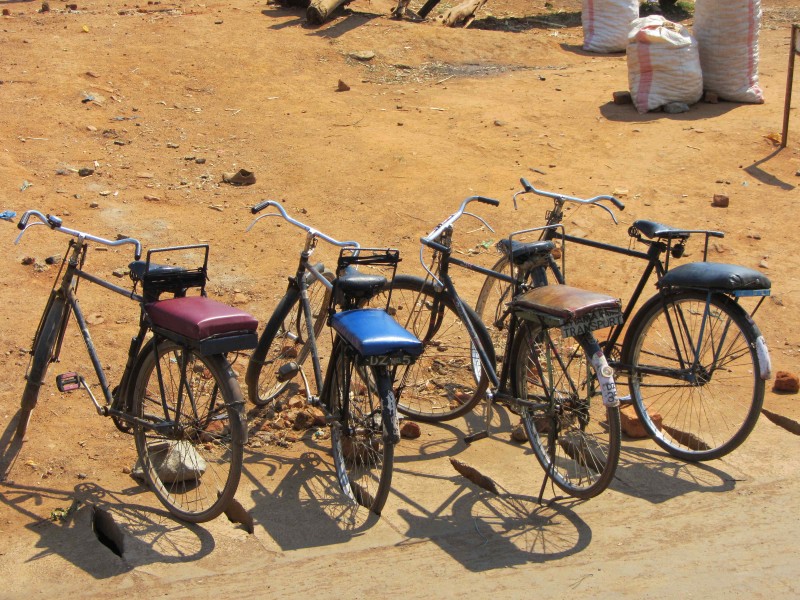
Malawi Bike
Malawi Bike

Since he began, Joseph has bought fifteen more bicycle-taxis and has employed fourteen riders who are paid monthly. He is now a millionaire, operating other businesses and has become an employer of a number of qualified Malawians who face unemployment problems.

“Like all informal transport, the barriers to entry are very low; all you need is a bicycle (or someone who will rent you one) and a cushion and handle bar for the back,” said Kalinga.

In Malawi, bicycle-taxis have become so commonplace transport option, and has its own name in different places like in the country’s northern region capital, Mzuzu, it is called – Sacramento ( derived from Sacramento Speed Buses, a state run bus company which at the time was on the verge of dissolution and which bicycle-taxis began to replace).

Pedal Power

Apart from carrying passengers, the transport is also used to ferry goods such as agricultural produce from farm or home to the market or other areas.

Meanwhile, government says the industry is largely contributing to employment creation and poverty reduction in Malawi, one of the world’s poorest countries.

“Cycling and pedal power is increasingly becoming a tool for empowerment in Malawi, where bicycle taxis and bicycle ambulances are a method of transporting the poor and middle income earners,” Grace Chiumia, Minister of Youth and Sports Development told the local media.

Organized

Malawi Bike
Malawi Bike

The Minister says in some districts, the bicycle-taxi operators are well organized such that they even pay a road user fee to the district councils. She says the fee is used by the councils to implement social services projects geared at improving the livelihood.

According to the Minister, the government is working on plans to regard the industry as a recognized form of transport, a development that would lead operators to being licensed.

Road Traffic

The initiative has also attracted support from the Malawi Police Service who through their community policing and road traffic departments have been training the operators on road traffic rules to reduce road accidents which have been so common due to reckless cycling.

“This industry is highly reducing crimes in the country because most of the people who were engaging in theft to earn a living are now generating money through the business hence our involvement in promoting the industry,” said Maurice Chapola, Northern Region Police spokesperson.|TAP| Africa’s Newspaper of Record

The AfricaPaper:Henry Kijimwana Mhango is The AfricaPaper’s correspondent in Malawi, covering Lilongwe.

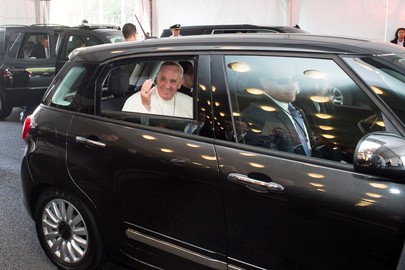
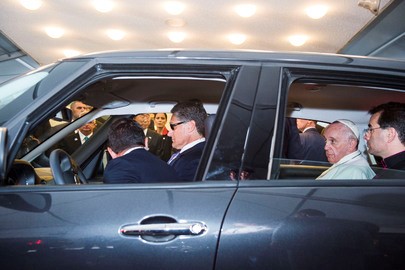
Thousands Attend Events as Pope Francis Concludes New York Visit

0


By Alie B. Sheriff | The AfricaPaper

United Nations, New York – Pope Francis yesterday drew thousands of adoring crowds in New York, many waiting hours at various venues within the city hoping to catch a glimpse at the most intriguing moral leader. From the United Nations headquarters, where he addressed a conclave of world leaders to a school in East Harlem, a multi-religious service at the National September 11 Memorial, a Mass at Madison Square Garden, to an evening prayer at St. Patrick’s Cathedral, the pontiff concluded his tour in the city that never sleeps, the epicenter of global finance and capitalism.

Message

Pope Francis used the global financial capital to continue his message of political inclusion, concerns for the plights of refugees, the poor, the oppressed, and protection of the environment. He emphasized the poor handling of natural resource is “a result of selfish and boundless thirst for power and material prosperity.”

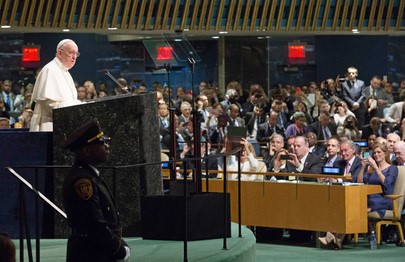
“Our world demands of all government leaders a will which is effective, practical and constant, concrete steps and immediate measures for preserving and improving the natural environment,” Pope Francis said as he addressed world leaders at the United Nations headquarters in New York.

Inclusion

Pope Francis urged the bureaucratic organization to put “an end as quickly as possible to the phenomenon of social and economic inclusion, with its baneful consequences: human trafficking, the marketing of human organs and tissues, the sexual exploitation of boys and girls, slave labour, including prostitution, the drug and weapon trade, terrorism and international organized crime.”

Pope Francis departs UN Headquarters. Photo: The AfricaPaper/Alie Sheriff

The pope reminded his UN audience of the division that exists between the powerful and the weak, the rich and the poor. The comment drew loud applause, creating a popular scene each time he referenced one of his signature messages since his arrival to the United States for a three-city, six-day tour.

The 78-year-old Argentine native praised the global organization on its efforts to resolve conflicts, fighting poverty, climate change, and its stance on human rights issues.

Bless

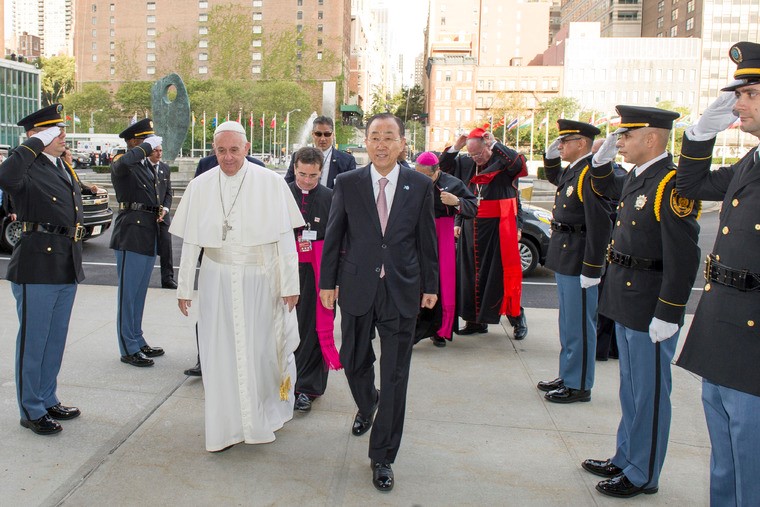
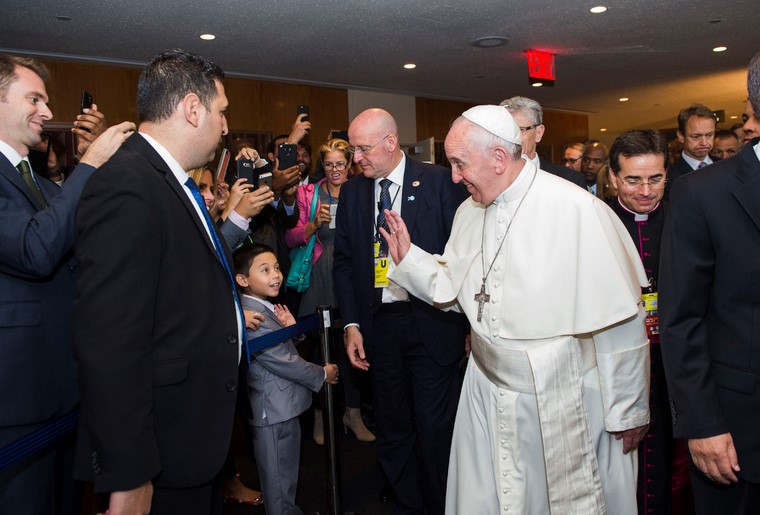
Before addressing the UN General Assembly, only the fifth pope to do so, Pope Francis was greeted by Secretary General Ban Ki-moon, who led him to the lobby of the organization’s headquarters, where an enthusiastic UN staffers awaited his arrival. Just as his predecessors, the pope was presented flowers. He later signed the visitor’s book and thanked the more than 300 UN workers in the lobby area.

“I bless each one of you from my heart. I will pray for you and your family and ask each one of you to pray for me,” Pope Francis told the UN employees before proceeding inside the conference hall, where he was greeted by a sea of world leaders and observers shortly before his historic address to attendee at the United Nation’s 70th anniversary of the general assembly.

Pope Francis at UN Lobby greeting UN staffers. Photo: The AfricaPaper/Alie Sheriff.

Amidst criticism of his liberal views on economic equality, climate change, the poor, and the plight of immigrants, the first Jesuit pope and first from South America, added another significant chapter to the papacy, when he addressed a joint session of US Congress three days ago in Washington DC, only the first pontiff to address US lawmakers.

Compassion

At the nation’s capital, Pope Francis warned US lawmakers of the threats posed by climate change. He also urged them to have compassion for immigrants, refugees, adding that they must all work toward peace and “respond in a way which is always humane, just and fraternal,” a common theme since his visit to the world’s most powerful nation.

“We must not be taken aback by their numbers, but rather view them as persons, seeing their faces and listening to their stories, trying to respond as best as we can to their situation,” Pope Francis told his Washington, DC audience.

Membership

Pope Francis’ visit came at a difficult time for the Catholic Church in the United States as it struggled with dwindling membership, drop in the number of priests, and mounting financial problems. Just this summer, Catholic representatives closed down dozens of churches as part of its reorganization plans. Whether the Pope’s visit will turn things around for its more than 1.2 billion followers has yet to be seen. One thing is certain: He is well loved. His favorable rating has gone up since this visit. Most Catholics believe the pope is sending the right message.

“He’s a great leader,” said Maria Sanchez, a Miami, Fla, native, one of several visitors to New York City during the pope’s visit. Maria said she and her husband, Luis Sanchez, began saving for their trip to the big apple as soon as they heard of the papal visit. They have followed the pope since he arrived in the United States from Cuba. “We are just glad to be part of history,” Sanchez said. The occasion in New York also marked the couple’s five years anniversary, according to Luis Sanchez.

Mass

At New York’s Central Park, Pope Francis mingled with jubilant crowd of nearly 80,000 people, hugging and shaking hands, at times putting him at security risk. On one occasion, security forces forcefully removed a fan’s hands off the pope as he walked through the crowd.

Pope Francis addressing UN General Assembly in New York. Photo: Alie Sheriff/The AfricaPaper

At Madison Square Gardens, Pope Francis held a rousing mass with an estimated 18,000 people in attendance. At the famous midtown arena, he reminded the group of God’s “great light” before reiterating his constant theme of caring for the poor and the most vulnerable.

At the National September 11 Memorial, one of several planned events, Pope Francis met and prayed with families of those killed on Sept., 11, 2001. These families were at the same venue two weeks ago in observance of the 14th year anniversary since the dreadful event that left about 3,000 people dead.

Hopes & Dreams

To further drive home his message of hope and dream, the Pope movingly reminded children at Our Lady of Queen of Angel’s School, mostly minority, encouraging them to have big dreams and be able to fight for them.

“It is beautiful to have dreams,” Pope Francis said.

The Pope, who is in Philadelphia today will complete his US tour. He is expected to attend the World’s Meeting of Families and other planned events around the city.

Pope Francis departs UN Headquarters. Photo: The AfricaPaper/Alie Sheriff

“This is such a great atmosphere,” said Beaunard Meyer, a South African tourist who is in the US on a 14-day vacation. “I hope the world is watching. It is good that Pope Francis’ message is delivered at a time when most of the world’s powerful people are here. The world needs to hear more of these types of messages. Well done Pope Francis!” |TAP| Africa’s Newspaper of Record.

The AfricaPaper: Alie B. Sheriff is The AfricaPaper’s Political and Business Editor.

Kenyan Government Links Terrorism Activities to Drugs Trafficking

0


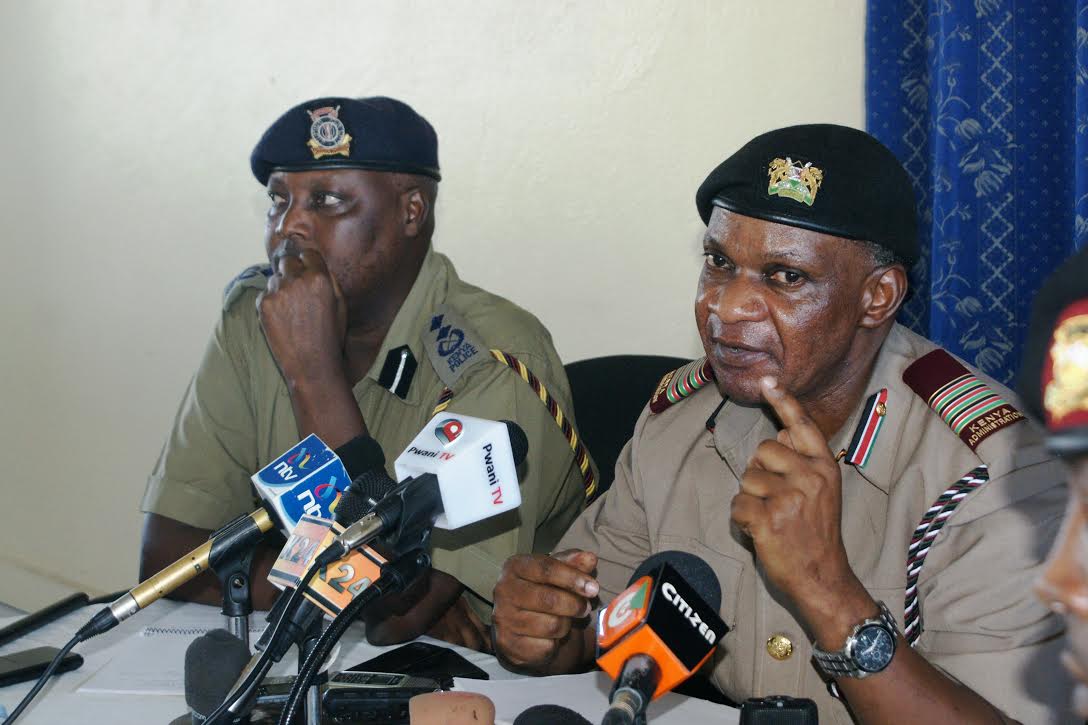
Mombasa county commissioner Nelson Marwa (right) and Mombasa county police commander address the press. The two security chiefs have declared the war on drug trafficking in the port city. Photo: The AfricaPaper/Harrison Mbungu.

By Harrison Mbungu | The AfricaPaper

Mombasa, Kenya – Kenyan government has said illegal terror networks in Kenya are connected to drugs trafficking business which fund terrorism activities through youth events as the government intensifies its war against terror.

Target Groups

Kenya has been hit by serious spate of terror attacks in the recent past with series of killings of anti-radicalization religious leaders being targeted by terror groups in Mombasa, and the coastal parts of Kenyan Coast.

Last year, senior security chiefs in Mombasa Kenya said drug trafficking business has been funding radical youth in the coastal parts of Kenya to conduct terror activities.

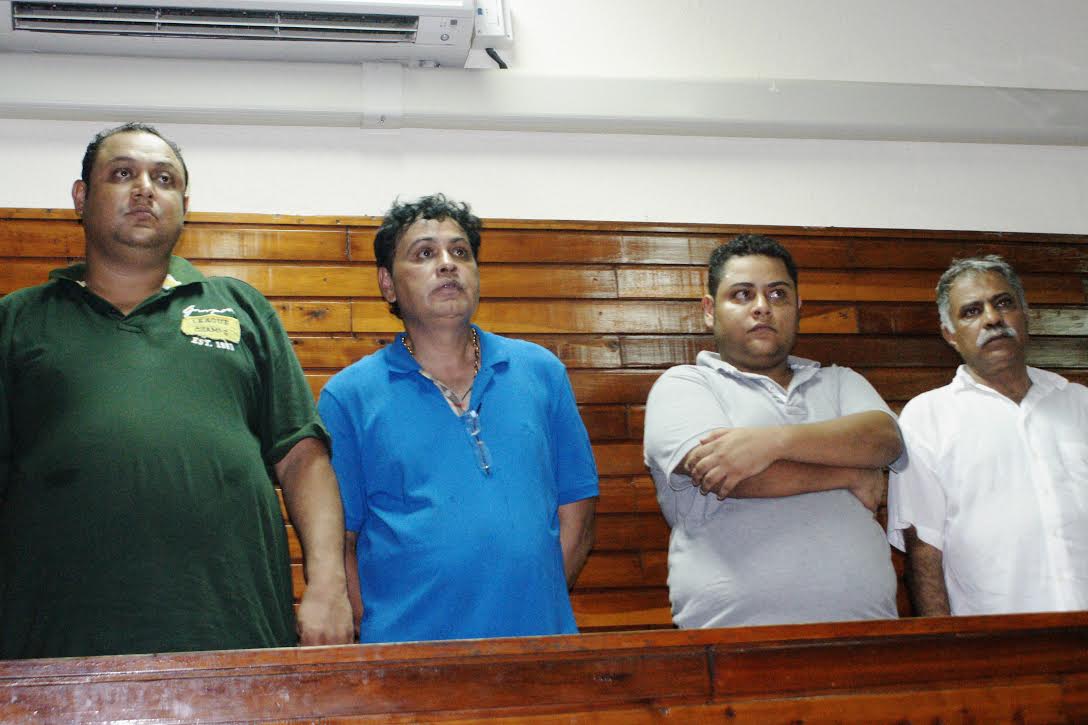
Kenyan anti-narcotics security forces in collaboration with foreign forces invaded the home of a former international drug peddler Ibrahim Akasha, and arrested his two sons and other two foreigners for allegedly trafficking drugs business.

Anti-Narcotics

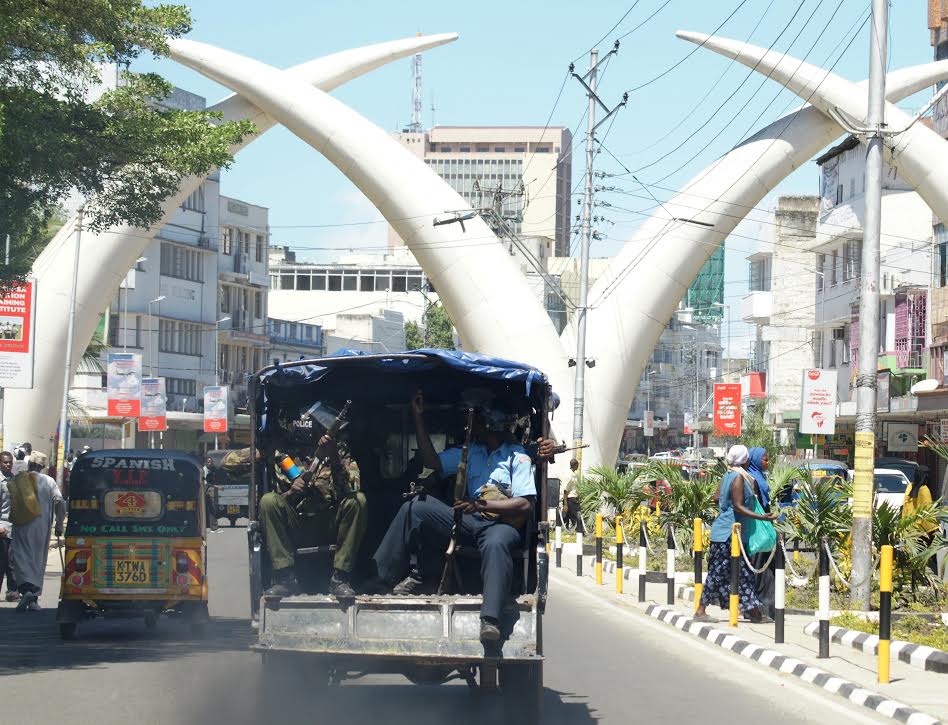
Kenyan security forces patrol along the streets of-...-he killing of terror suspect on Saturday in Mombasa. Sept.  21, 2015
Kenyan security forces patrol the streets in Mombasa. 

They were sent to custody as police dig deep to unearth other barons in the port city. President Kenyatta led a team of anti-narcotics to sink into the ocean a ship that was seized by Kenyan navy forces loaded with heroine in July 2014.

Mombasa county commissioner Nelson Marwa said the government will not allow persons trafficking drugs and killing the most reproductive generation – youths in Kenya. The Kenyan coastal region has over 30 percent of its youths engaging in drug and substance use, creating a bigger margin between the rich and the poor as well as increased criminal activities.

Radical Networks

The fight against terror networks in Mombasa has taken another step after Kenyan government declared to fish out all radical networks of youth who hide in Mosques, and continue to terrorize citizens. Crime levels are also on the rise on the port city – Mombasa.

While addressing a press briefing at the county commissioners office, top security chiefs jointly declared to fish out radical youth and their financiers. They put them on notice; warning that some senior people and local NGOs are playing part in the rising insecurity.

103 suspects

Mombasa county commander said the police have netted 103 suspects in connection with last year’s attack, where David Munga a polytechnic lecturer was stabbed to death by rowdy youth on a Sunday.

“There is a wide range of terrorist networks in town,” said Kitur Mombasa county commander. “We are going to fish them out from the mosques where we are informed they hide after committing criminal activities. We will not let anyone destroy our peace.”

Commissioner Nelson Marwa however ordered the arrest of senior officials of a local NGO who are allegedly been linked with funding and inciting youths in local forums to cause chaos in Mombasa. Marwa wanted the Muslim for Human Rights (MUHURI) lobby group to explain: how it conducted its activism programs in the coastal region.

“We want MUHURI to come out and explain to the government on whether the money they spend is for undermining the government or what is their agenda,” said Marwa.

From left - Two sons of former international drug trafficker, Ibrahim Akash, and two other foreigners facing drug trafficking cHarges in the Mombasa High Court. Photo: The AfricaPaper/Harrison Mbungu.
From left – Two sons of former international drug trafficker, Ibrahim Akash, and two other foreigners facing drug trafficking charges in the Mombasa High Court. Photo: The AfricaPaper/Harrison Mbungu.

Beef Security

Marwa told all deputy county commissioners to ensure security is beefed up on the entire Mombasa county to ensure a safe country for investments. About 34 people including police have been killed in questionable incidents in Mombasa.

“You cannot use mosques as a hideout to attack the government, even if you get into the mosques we will fish you out,” Marwa added.

One person was killed on a Sunday afternoon in Mombasa, the Kenyan coastal city of after radical youths rioted to protest against the killing of an alleged Islamist militant who was shot and killed by unknown gunmen in Mombasa.

Stab and Shot

David Muga was stabbed with a knife by rowdy youth as he troded with his wife along the streets of Mwembe Tayari in Mombasa town headed to church killing him on the spot. Another four people succumbed serious injuries and are nursing treatment at the Coastal General Hospital.

Another person identified as Hassan Gutti was shot at the abdomen by unidentified gunmen killing him on the spot when he was driving together with his wife and a friend. The shooting caused riots where rowdy youth barricaded the streets and armed with knives few minutes after the burial of the slain terror suspect. Police officially denied involvement in the killing, but sources within the force said Guti was killed by the Kenyan Anti-terrorism Police Unit.

Bomb Attacks

Kenya’s coastal region, a tourist hub where most of the country’s Muslims live, has suffered a series of bomb attacks in recent months blamed on Islamists tied to Somalia’s militant al Shabaab group. Police said Guti was linked to the shooting of a senior police officer in Mombasa in August, last year, and he was also facing a murder charge for a separate incident.

Following Guti’s burial youths started attacking people in the Majengo area, but police officers managed to contain the rioting there, said Robert Kitur, Mombasa’s police chief. Security forces netted more than 100 suspects in connection to the killings, as police continue interrogating them.

The incidents happens a week after a pro-government Muslim cleric Sheikh Salim Bakari Mwarangi was shot and killed in the city by unknown gunmen who escaped on motorbikes. |TAP| Africa’s Newspaper of Record.

The AfricaPaper: Harrison Mbungu is The AfricaPaper’s correspondent in Kenya, covering the port city of Mombasa.

SLFA and National Players Donate to Flood Victims

0


By Abubakarr Kamara | The AfricaPaper

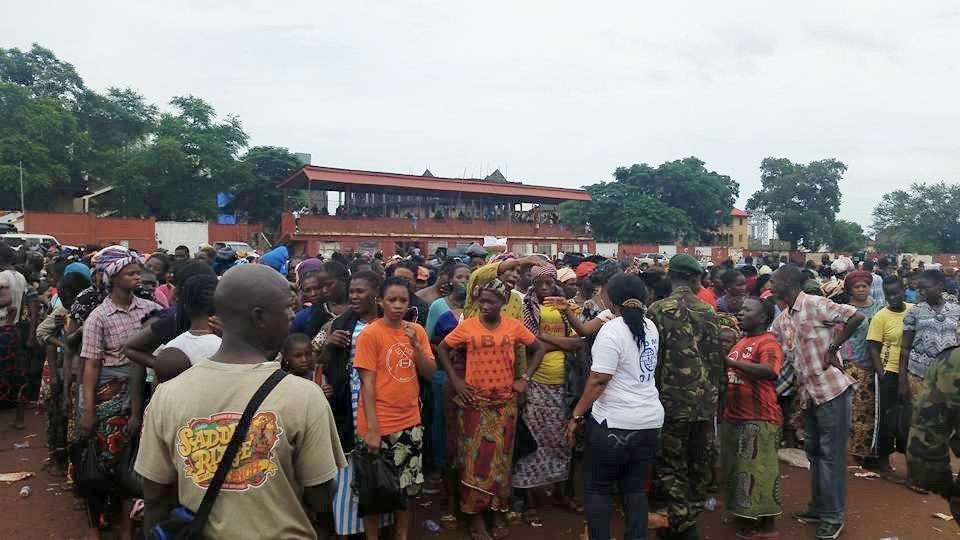
Freetown, Sierra Leone – As the flood continues to sweep across the city, the Sierra Leone Football Association (SLFA) joined the first set of donors to come to the aid of flood victims after government announced that it would be opening emergency relief centers at the Siaka Stevens Stadium, Brima Attouga Mini Stadium, and the Government Trade Center grounds.

Flood

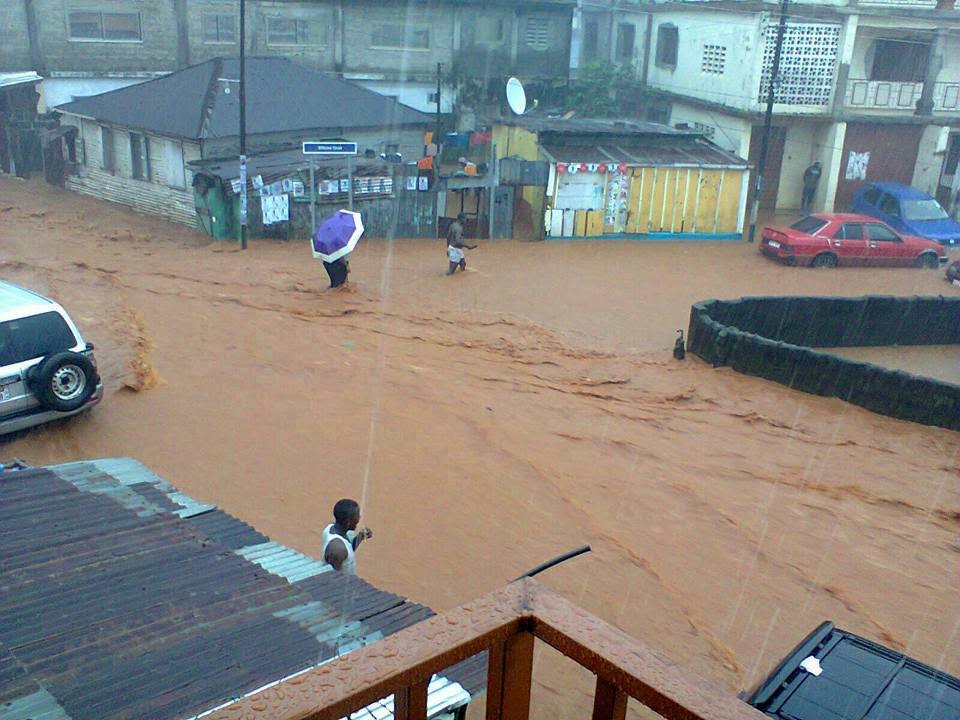
Flood in Freetown. Photo: Abubakarr Kamara/The AfricaPaper, (c) 2015

Torrential rains flooded Freetown on Wednesday and caused several deaths and thousands homeless.
The FA President, Isha Johansen and her executive committee members dive into action to lend support to victims of Wednesday’s flooding, calling off national Team training and getting the players to engage in food and donating clothes to those affected by the flood.

Donation

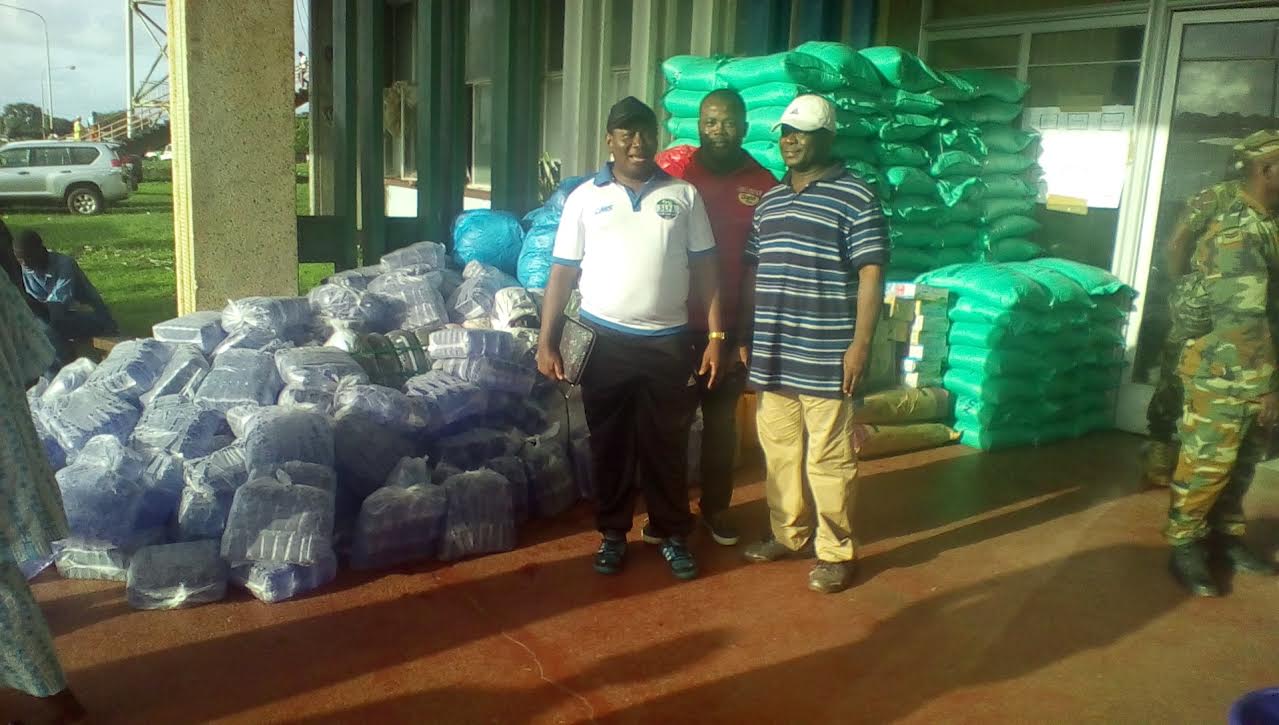
Warm cloths for 300 young kids and six boxes of cornflakes, 300 bags of rice, 200 bundles of water, five bales of clothing including a bale of blankets and bed spreads, two bags of sugar, two bags of milk, five containers of cooking oil, a cartoon peak milk, and four cartoons of sugar were donated.

Handing over the items, the SLFA President, Isha Johansen expressed her sincere condolences to those families who have lost their dear ones to the flooding and expressed concerns for those that have been rendered homeless. She appealed to all victims to exercise patient and have faith in the Almighty God.

“The donation is a natural reaction,” says Johansen. “Football is more than just a game… It’s a healer and a unifier.”

Help

Freetown's Flood victims
Freetown’s Flood victims

According to Kadiatu Sankoh – a mother residing at Kroo Bay – a slum in the capital, Freetown, the SLFA has shown the world that they do not only care about football but also the welfare of Sierra Leoneans.

“I’m not surprised at all, because this is not the first time they are doing it. I have heard of the SLFA donating $50,000 to the fight against Ebola, and few people are not happy about that. We hope these donations can better our lives till we are able to start up once again,” she prayed.

Assured

The SLFA Vice President, Brima Mazolla Kamara assured flood victims that the donations will not be the last, as the FA would be monitoring their situation and might come in at any time that it deems necessary.

Receiving the items, the emergency committee members thanked SLFA for its “timely intervention” and assured that the items would be used for its intended purposes. However, there are fears that the many donations to remedy the situation might not be used for its intended purposes. According to observers, there are no monitoring system to check all donations received and how they are distributed.

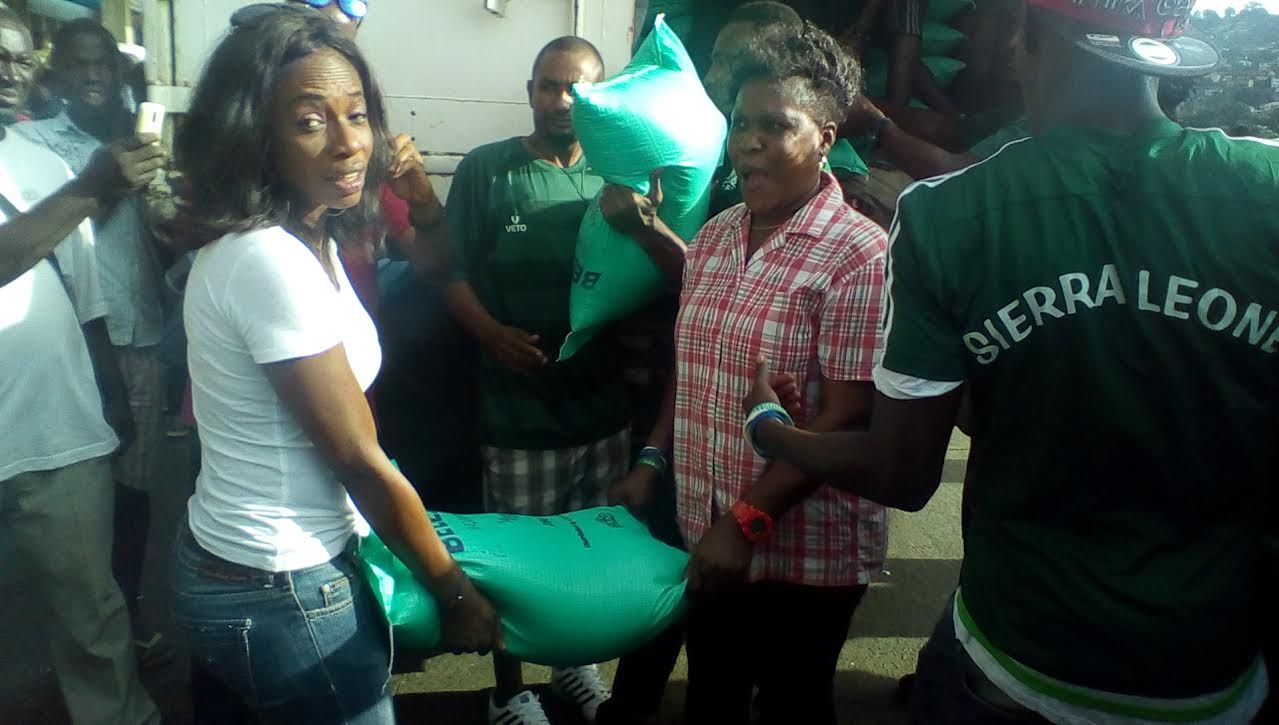
Helping Freetown's Flood Victims. Photo: (c) The AfricaPaper/Abubakarr Kamara.
Helping Freetown’s Flood Victims. Photo: (c) The AfricaPaper/Abubakarr Kamara.

“As you can see, there are no records of utilizing these donations. They are utilized as they came in and whereas there are records to show who gave what, there isn’t any method to determine who expend what and where or how. We hope the authorities concern can take this into cognizance and put up stringent monitoring mechanism,” laments Robert Green, a civil society activist. |TAP| Africa’s Newspaper of Record.

The AfricaPaper: Abubakarr Kamara, based in Sierra Leone’s capital Freetown, is The AfricaPaper’s West Africa Correspondent.