Home Blog Page 8

COVID-19: A Security Crisis in Africa


Although COVID-19 does not affect all equally, it does confirm the axiom that, in today’s interconnected world, global challenges require global solutions. The only way to build a safer post-COVID world is to ensure that Africa is not left behind.

By Abebe Bekele | The AfricaPaper

KIGALI, RWANDA – Some have described the COVID-19 crisis as a “great equalizer.” After all, it has invaded the world’s richest economies, with the virus infecting some of their most prominent figures, from politicians like UK Prime Minister Boris Johnson to Hollywood royalty like Tom Hanks. But developing countries, especially the poor within them, remain far more vulnerable than their developed-country counterparts, not only to the pandemic’s health consequences, but also to insecurity – and instability – stemming from the response.

Effective Measures

So far, the most effective measures for limiting the spread of COVID-19 are travel restrictions, physical distancing rules, and full quarantine, where applicable. But rapid implementation is essential. We have seen that in some African countries, such as Rwanda, where the government grounded all passenger flights for 30 days after confirming just 11 cases of the virus, and then placed the entire country on lockdown for 28 days. Neighboring Uganda soon followed suit, along with Nigeria, South Africa, and Ethiopia, among others. But the responses elsewhere have been fragmented and weak. Given the scale of global interconnectedness, this should worry everyone.
A t is shown in the water.
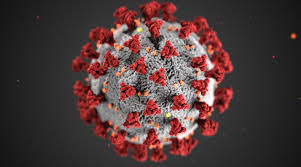
COVID-19 /Coronavirus

Developed countries have stronger health-care systems, but they are still deeply vulnerable: the United States recently reported more than 1,800 COVID-19-related fatalities in a single day. Imagine the effects of a similar outbreak in Africa. There are fewer than 500 ventilators in Nigeria, a country of 200 million people – roughly two-thirds the population of the United States, which has 172,000 ventilators. And as long as the virus is spreading in one country, every country is at risk of new waves of infections.

Daily Wages

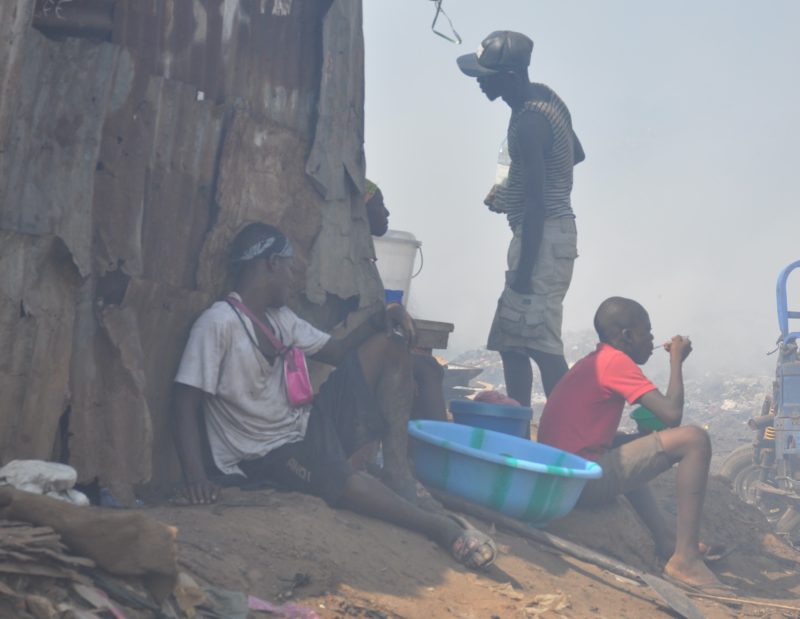
But the danger extends beyond the virus itself. In many developing countries, the vast majority of workers depend on modest daily wages and cannot work remotely. Social-distancing measures thus threaten their very survival. Only through strong leadership and informed decision-making can African governments protect these vulnerable groups.
A t is shown in the water.
Workers in a waste dump in Freetown, Sierra Leone. Photo: The AfricaPaper/Issa Mansaray

Again, some countries are setting a positive example. Rwanda’s government has announced plans to deliver food to more than 20,000 vulnerable households in the capital, Kigali, and to provide essential services, such as water and electricity, for free. But, overall, social protections are nowhere near adequate to safeguard Africa’s poor during lockdowns.

For a continent, whose recent history has included a lot of violent conflict, this is a recipe for disaster. Economic stress breeds frustration, especially with the authorities, heightening the risks of unrest, renewed civil wars, and military coups. As John Nkengasong, the director of the Africa Centres for Disease Control and Prevention, has warned, the pandemic could be a “national-security crisis first, an economic crisis second, and a health crisis third.”

Resource Constraints

The international community is not doing nearly enough to help African countries mitigate the COVID-19 threat. This is partly a matter of resource constraints: in a pandemic, funding from multilateral institutions like the International Monetary Fund, the World Health Organization, and the World Bank must be shared across many countries, and governments are focusing their resources on domestic needs.

So limited are public resources that many countries are now relying on philanthropic aid. For example, the Chinese billionaire Jack Ma donated 1.1 million testing kits, six million surgical masks, and 60,000 protective suits and face shields to Africa. (He also donated one million face masks and 500,000 test kits to the US – something that would have been unthinkable just a few months ago.) US corporations and billionaires have also made large donations.

But we cannot rely on the benevolence of philanthropists and corporations to win this battle. We need a unified global response – including coordination on measures like travel restrictions and quarantine rules – with effective leadership. And we need rich-country governments and multilateral organizations to increase support to low-income countries, without adding to their international debt.
A t is shown in the water.
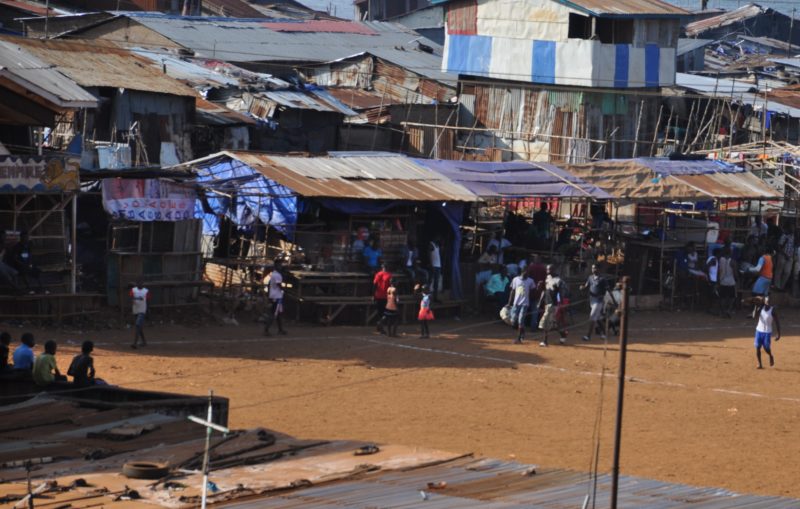
Life in a Slum in Freetown, Sierra Leone. Photo: The AfricaPaper/Issa Mansaray

Alarming Acceleration

Resources – from personal protective equipment to testing kits to ventilators – should be allocated according to need. At a time when WHO Director-General Tedros Adhanom Ghebreyesus is warning of an “alarming acceleration” of virus transmission in Africa, the continent’s need is clearly growing.

But containing COVID-19 is not enough. Countries must urgently strengthen their health systems, to protect against future outbreaks. This requires investments not only in equipment and infrastructure, but also in personnel, emphasizing medical professionals who are trained to think holistically. At the University of Global Health Equity in Rwanda, we teach our students from the outset to look beyond the immediate clinical reality to account for relevant social, economic, historic, and political factors.

The COVID-19 crisis has demonstrated how fast a new disease can envelop the world, causing widespread suffering and death. Rather than wait for the next outbreak to erupt, and then play catch-up again, all countries should be working to apply the lessons of this pandemic to bolster preparedness and prevention.

Although COVID-19 does not affect all equally, it does confirm the axiom that, in today’s interconnected world, global challenges require global solutions. The only way to build a safer post-COVID world is to ensure that Africa is not left behind.

Abebe Bekele is Founding Dean and Deputy Vice-Chancellor of Academic and Research Affairs at the University of Global Health Equity, a professor of surgery at Addis Ababa University’s School of Medicine, and a fellow of the College of Surgeons of East, Central, and Southern Africa and of the American College of Surgeons.

|TAP| A Community Newspaper with a Local, National and International Perspective.
 

COVID-19 Risk Management in Public Health Emergencies: Turning Key Lessons Learned from Ebola Response in Sierra Leone into Best Practices


By Mustapha Wai | The AfricaPaper

Worldviews – Given what appears to be an unexpectedly low rate of Coronavirus infections continued to be reported by countries in Africa, many have questioned the accuracy of the numbers. To date, 52 out of 54 countries on the continent have reported a little over 13,000 confirmed cases, and about 700 and 2,000 in deaths and recoveries respectively. Although the virus did not originate in Africa– with index cases identified in many of the countries coming from Europe – critics have argued that the low rate is due to the lack of adequate testing on the continent. But the narrative is different for Sierra Leone – a former Ebola-ravaged country and one of the last set of countries in Africa to report index cases in the last two weeks. To date, the number of confirmed cases in Sierra Leone stands at ten. The country is also listed among the 10 nations with the lowest number of confirmed cases on the continent. The extent of public awareness and readiness and the proactive preparedness of the Government to tackle the Coronavirus in the tiny west African country has been largely informed by key lessons from Ebola.     

A t is shown in the water.
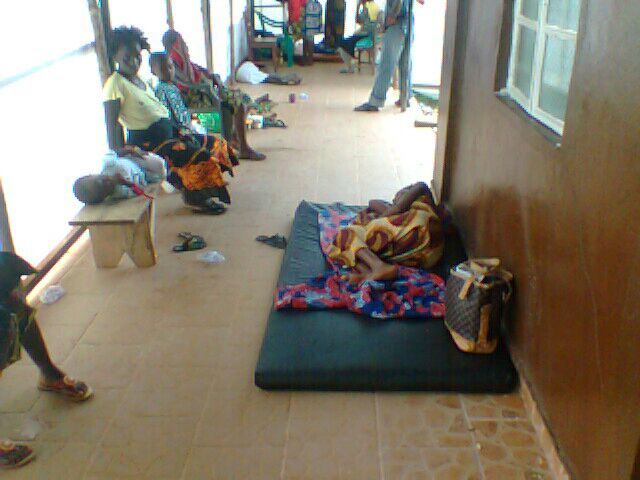
Another Ebola center

These notable lessons include – building public trust from the unset; establishing equipped, capable and appropriately located isolation and treatment centers; and designing and implementing effective response mechanisms, including the right people, process and internal controls. The rest of this piece will examine the challenges experienced by Sierra Leone earlier in its Ebola response – highlighting similar challenges being experienced by the U.S. and other countries in the current fight against the Coronavirus pandemic – including how the Ebola response challenges were addressed. This examination will also include a discussion of how such lessons are being currently leveraged in Sierra Leone in the fight against Coronavirus, and how these lessons could be used as best practices by other countries around the world. 

Build Public Trust from the Onset

Building public trust early in the response goes a long way in helping create public awareness, facilitating surveillance and contact tracing, and convincing the infected to go into isolation and seek treatment. In the early period of the Ebola outbreak in West Africa, conspiracy theories emerged, including rumors that the virus was man-made bioweapon and let out of the Tulane University sponsored Lassa hemorrhagic fever laboratory in Kenema, eastern Sierra Leone. Rumors quickly made rounds that treatment centers were injecting and killing patients to reduce the population; while others simply denied the existence of Ebola and turned to traditional healers for remedy. Because of these theories and beliefs, there was a total lack of public trust and confidence in the government and medical system, and many concluded that Ebola treatment centers are nothing but death chambers. 
 
A t is shown in the water.
An Ebola Center in Kenema

In America today, we are experiencing similar distrust. Conspiracy theories are trending – many hatched and sustained by uninformed rhetoric, coupled with inconsistent and fast-changing guidance coming from high-placed leaders in society. For example, calling the Coronavirus, a “China virus” and “the new hoax” by U.S. President Donald Trump, plays well into the allegations and counter-allegations between elements in China and U.S.; both accusing each other of being responsible for the outbreak. Others have concluded that Coronavirus is a bioweapon released by China under a proxy trade war. Some have even argued that the virus is entirely the work of Microsoft billionaire Bill Gates, in order to introduce vaccines that will help reduce the world’s population. From disagreement over the use of Chloroquine as a necessary therapeutic treatment to the purpose of U.S. Federal Government medical stockpiles, the endless debate at the highest levels in the U.S. Government continues unabated. During the Ebola crisis in Sierra Leone, the public eventually realized that none of the conspiracy theories and unending debates was going to stop the devastating spread of the virus and the increased fatality left in its wake. Engaging trusted civil society players, political leaders, role models, traditional and religious leaders, and other stakeholders to sensitize their constituencies and communities helped secure the people’s trust in the government and the Ebola response mechanism.

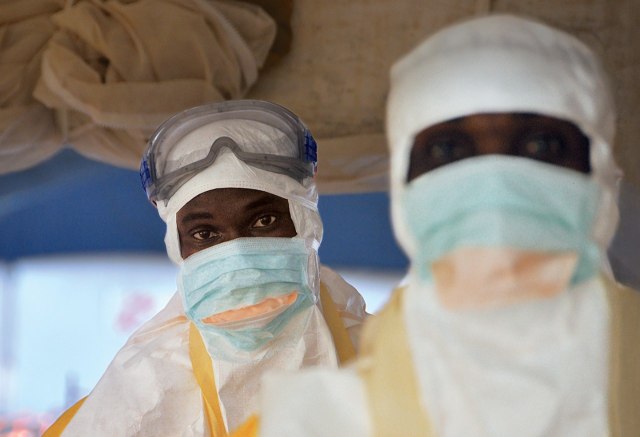
Two doctors in white suits and masks are standing.
DON’T TOUCH Health workers in protective gear prepare to see patients at the Ebola-treatment center in the courtyard of Donka hospital, in Conakry, Guinea.

Ensuring that government and medical practitioners remain open, honest and transparent in communicating information about the outbreak, as well as maintaining adequate accountability for resources allocated go a long way in building public trust. In Sierra Leone, the Government has not only been listening to public concerns during this Coronavirus outbreak but has used the feedback to help inform policy and interventions.  In response to public outcry over the treatment of travelers in quarantine at the Lungi Hotel, Chief Minister and a team visited the site immediately and the condition was addressed as once. Citizens called for grounding of flights and it was done immediately. Citizens called for the closure of land border entry points and it was done. Citizens called for lockdown and it has been implemented. An honest, transparent and listening government will do well in managing an emergency because the public has confidence in the process and will be ready to cooperate.

Establish Equipped, Capable and Appropriately Located Treatment Centers

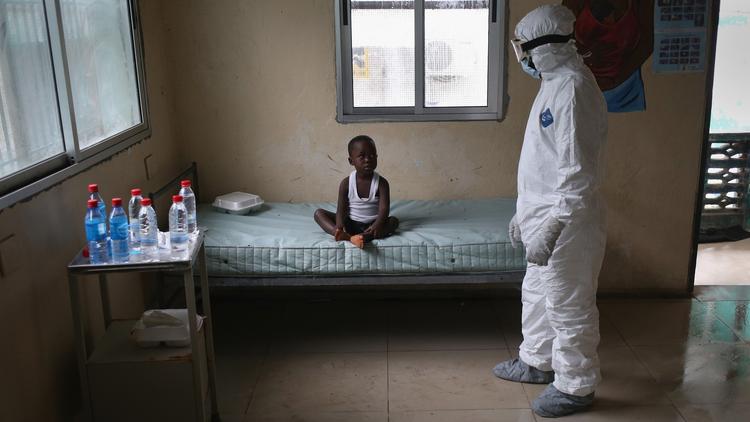
During the early stages of the outbreak in Sierra Leone, the sick was asked to go to the nearest hospital when they experienced symptoms consistent with Ebola. Little thought was given to the fact that existing hospitals neither have trained people with experience in frontline viral infectious disease response; nor the required facility, equipment and process to identify, isolate, test and contain Ebola patients. When local hospitals became overwhelmed, suspected cases were transported hundreds of miles across several district lines to the only equipped hemorrhagic fever testing lab in Kenema. Not only did these long travels take a toll on the patients, but it also exposed others en route. This is how many healthcare workers and other response personnel were exposed to the virus early in the outbreak. 
 
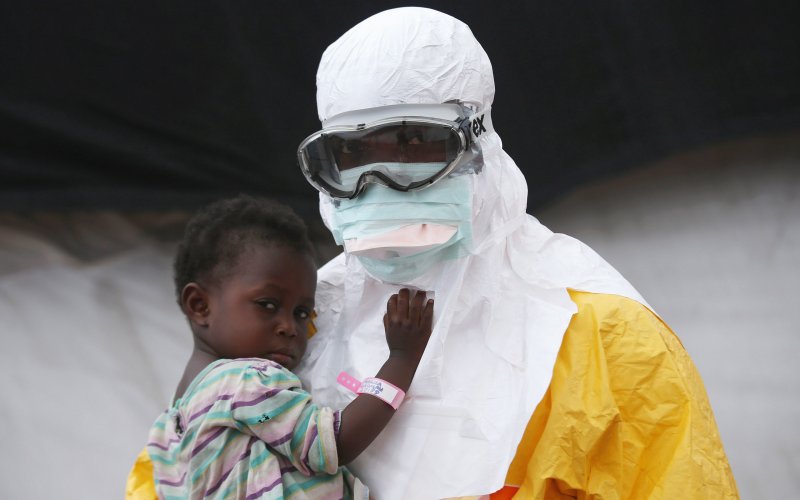
A person in white suit and a child sitting on bed.In the United States today, we have been told to go to the nearest hospital when we feel we have symptoms consistent with the Coronavirus. Many of these hospitals are not designed, staffed or equipped to effectively handle the infectious disease. For example, many hospital waiting areas do not immediately isolate people coming in with symptoms consistent with Coronavirus from people with other symptoms. In many states, testing is still limited to hospitalized cases, which means one must go to these hospitals basically on a stretcher, exposing emergency medical technicians, ambulance operators, and outpatient healthcare workers before you can be tested. It was only after specifically equipped makeshift Ebola treatment and isolation facilities were established around the country, and staffed with trained personnel in infectious disease, was Sierra Leone able to turn the tide. Suspected cases were no longer queuing at local hospitals. Instead, emergency telephone lines were being called and trained response unit personnel – dressed in appropriate protective gears – picked up suspected cases in ambulances and transported them to isolation centers for testing. Today, we have witnessed an urgent attempt by the Sierra Leone Government to reopen former Ebola treatment centers, including the 34 Military Hospital in the capital which is now home to the confirmed cases of Coronavirus. Although confirmed cases have been reported only in the capital and its immediate surroundings, former Ebola treatment centers with all protocols being re-activated around the country. Establishing equipped and appropriately located Coronavirus treatment centers that are dedicated solely to the treatment of those infected with the virus, is a best practice that also reduces the burden on existing general healthcare infrastructure.  

Design and Implement Effective Response Mechanism, Including the Right People, Process and Internal Controls

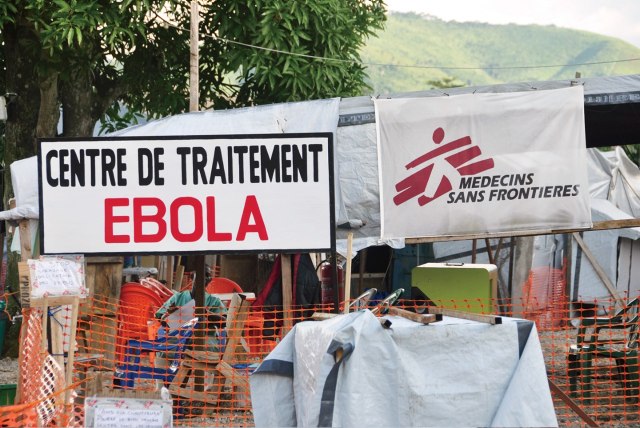
A sign that says ebola in french and some people are standing around.
THE PLAGUE A treatment center established by Doctors Without Borders in Guéckédou, Guinea, a town near the original source of the outbreak.

The lessons from lack of effective response mechanism and internal control during the early days of the Ebola outbreak in Sierra Leone can be highlighted in an excerpt – “Under cover of darkness, a few burial workers pried open the hospital morgue’s steel doors and stole three corpses. They carried the bodies to the hospital’s front gates and tossed them beside the road that bisects downtown Kenema, the third-largest city in Sierra Leone.”– from a Newsweek article dated May 19, 2015, written by Amy Maxmen and titled “In Fight Against Ebola, Front-Line Health Workers Risked Their Lives And Never Got Paid”. Members of the burial team had allegedly stolen Ebola-infected corpses from the Kenema Hospital morgue in protest for hazard pay owed them. Throughout the country, Ebola response workers – doctors, nurses, cleaners, lab technicians, ambulance drivers, and burial team members had not been paid. Healthcare workers complained about insufficient supplies of beds, equipment and Personal Protective Equipment (PPE). Not only did the finding demonstrates a lack of funding and supplies for the Ebola response team, but it also demonstrates a total lack of internal control over the response management process, including access control to morgues where Ebola-infected corpses were kept. During the early period of the Ebola outbreak, the Sierra Leon Government was reluctant to establish an SOE. Such reluctance was for the most part influenced by the suspicions and conspiracy theories that were unfolding at the time. Many accused the Government of having ulterior motives for imposing SOE. By the time the Government had declared the SOE, Ebola had already crossed several district lines.

Lockdowns and Re-openings

A t is shown in the water.In the U.S., the debate about lockdowns and re-openings continues relentlessly, even though the Coronavirus infections continue to rise across the country. While the majority of states have now mandated lockdowns, some states have refused to do so, and others have even threatened to re-open their states soon. Four months after the first case of Coronavirus was confirmed in China, and almost two months since the index case was confirmed in the U.S., authorities have yet to figure out an effective national response strategy. Americans are still unclear about who gets tested, where to get tested and when to get tested. Healthcare workers in major cities across the country continue to complain about shortages of PPEs and hospital beds. Others complain about unclear and conflicting emergency response protocols and treatment regiments. In a matter of two weeks, Americans went from being told that masks are only to be used by healthcare workers, to being recommended for all in public places, and is mandated in public places by several cities today.

|TAP| A Community  Newspaper With a Local, National and International Perspective.
 

Fighting Corona-virus: Homeless Receive Masks, Gloves and Cash


Recently, the Office of Minnesota Attorney General Keith Ellison released a statement warning business owners against price gouging on medical supplies and food items. For the poor and homeless Minnesotans, they can’t afford to buy protective gears such as masks and gloves. They can’t find them at affordable prices and live in fear of catching the deadly virus. On Sunday, April 12, state health officials confirmed a total of 194 positive COVID-19 tests, equaling 1,621. Church leaders are stepping in to provide much needed protective gears for the poor and homeless.

By Issa Mansaray | The AfricaPaper

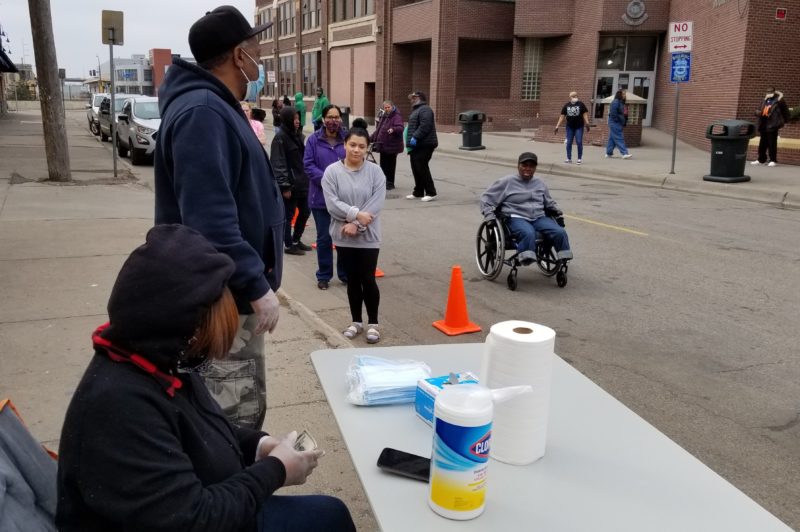
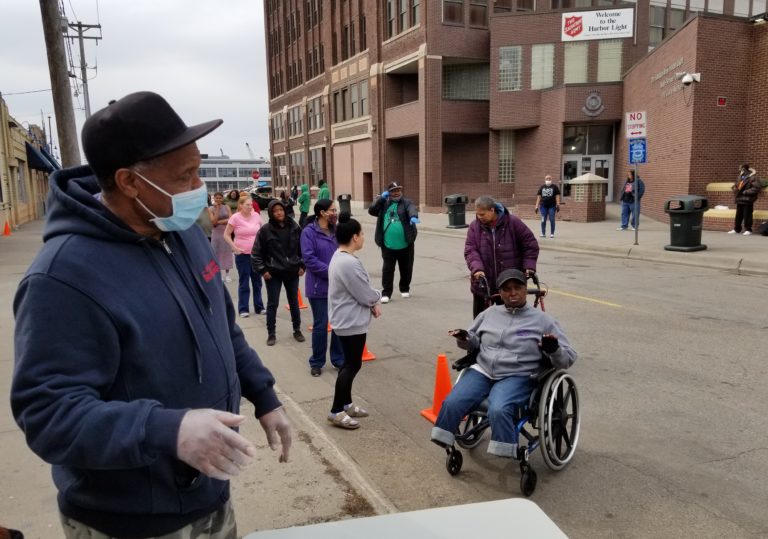
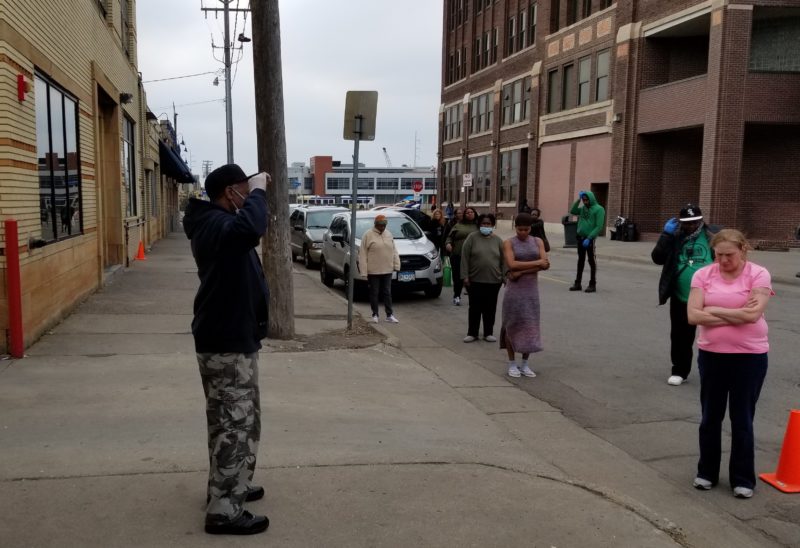
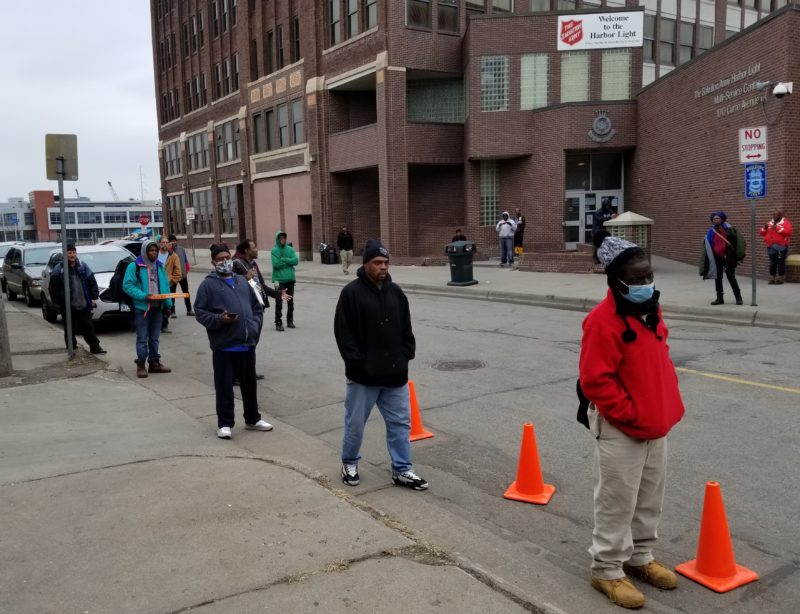
Minneapolis, Minn – The orange cones were hastily lined up, creating space for “social distancing” and to manage the crowd. And then, the women were called first to queue up. Later, the men were called to do the same. Some came in wheelchairs, and others with walking canes. These are the homeless, without any protective gears and cannot afford to buy them.

Masks and Gloves

A t is shown in the water.
Waiting for Face Masks and Gloves. Photo: The AfricaPaper/ Bishop Harding Smith

As COVID-19 deaths increase in Minnesota, communities are left to scramble for help and to meet the needs of the homeless in the Twin Cities. Local leaders fear it is a matter of life and death if the homeless are infected with the coronavirus. Without money, and a place to sleep many do not know where to get protective gears, masks, gloves, and hand sanitizers.

These have become much-needed products for medical doctors, nurses, and first responders. Even if some of the homeless were to obtain them, they do not have the money to buy as some local stores doubled the prices in recent weeks. It became a source of concern for Minnesota Attorney General Keith Ellison who released a press statement warning businesses against price gouging on food, medical supplies, and other essential goods.

Turned Away

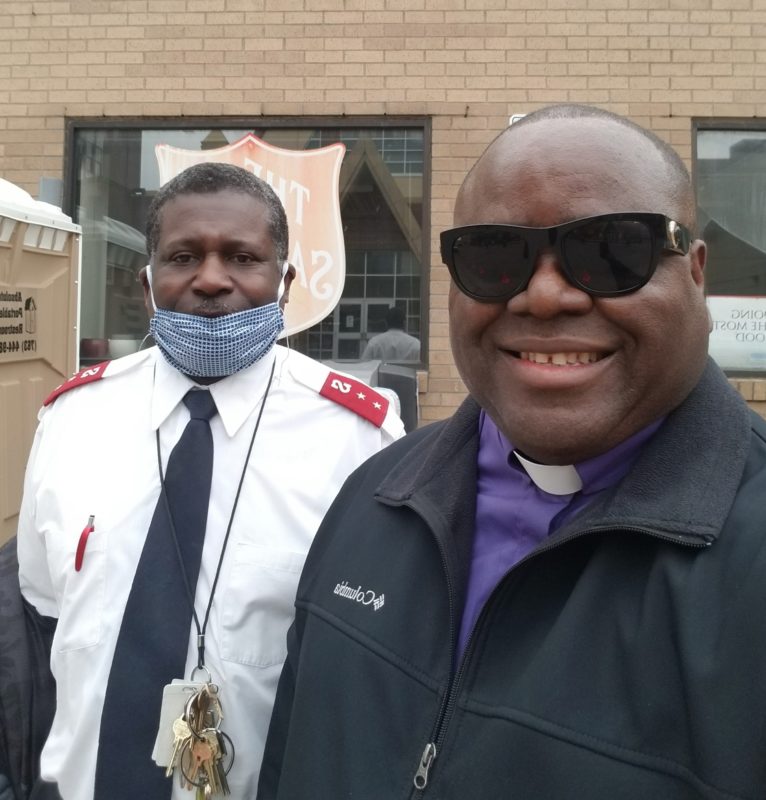
Local church leaders have stepped up to help their communities and the homeless in fighting the COVID-19 pandemic. According to Bishop Harding Smith, founder of the Spiritual Church of God in Robbinsdale, many of the homeless at the Salvation Army have been turned away from services for lack of face masks and gloves. Smith says his church is delivering the 300 sets of masks and gloves to the homeless to let them know that they stand to support them in these challenging times and that he knows what they are going through. 

A t is shown in the water.
Social Distancing. Photo: The AfricaPaper/Bishop Harding Smith

Mr. Thomas a homeless at The Salvation Army said that he has been turned away from services and grocery stores because he did not have a mask on, and he is grateful to the Spiritual Church of God. Adding that he looked everywhere and could not get a mask. For almost two weeks, Thomas searched, but couldn’t find any organization or anyone donating or giving out face masks. He was happy to receive masks, gloves and $50 for groceries.

“We are working with our community. We just want to help any way we can. There are so many homeless people that have been turned away from services because they don’t have masks,” says Smith. “We are distributing 300 masks and blessing them with some cash.”

Gravity of COVID-19

Giving out the masks and gloves in downtown Minneapolis, Smith says that he is aware of the gravity of the coronavirus; therefore, they also apply social distancing when distributing their gifts. Members of MAD DADS, a nonprofit that promote and demonstrate positive images of fathers engaging and protecting community, youth and families in local communities were present to maintain order along Currie Avenue in Minneapolis.  

Smith adds that a lot of people are going through hard times and “being homeless is not easy at a time like this.” His church, he says is giving out the masks and gloves so that the homeless can not be turned away when they go out for social services in these extremely difficult times.

A t is shown in the water.
Receiving some cash. Photo The AfricaPaper – Bishop Harding Smith

“We are giving these masks and gloves, so they can be safe and when they go to grocery stores they cannot be turned away,” said Bishop Smith, a founder of the Spiritual Church of God, and President of Minnesota Acts Now – a community advocacy group. “We are asking people what are their needs and address that out here…We care for our brothers and sisters and we want to make sure that they are safe.”

Deaths

The Minnesota Department of Health reported that six more people have died because of COVID-19 related causes. The state’s total deaths have increased to 70. Minnesota Commissioner of Health Jan Malcolm says a total of 361 COVID-19 cases have been hospitalized in Minnesota as of March 12. Currently, 157 cases are hospitalized, with 74 in intensive care according to MDH.  

“We can never forget that these numbers are in fact beloved family members, friends, and neighbors who are mourned,” says Commissioner Malcolm. “We express our condolences and our commitment to continuing the work of protecting Minnesotans the best we can. It is very important for all Minnesotans to do their part in that effort by following social distancing guidelines and other public health recommendations.”

A t is shown in the water.
Capt. Leo Brooks and Bishop Harding Smith at The Salvation Army, MN

For now, Bishop Harding Smith and the Spiritual Church of God are playing their own part to save the poor and homeless from the deadly COVID-19 pandemic. 

At the Salvation Army, Capt. Leo Brooks says it was a great service for the church to donate the mask and gloves. “We can always use more [masks and gloves] and it was a perfect opportunity,” says Brooks. 

|TAP|

East African Women Launch Campaign to Stop Gun Violence in Minnesota


By Issa A. Mansaray | The AfricaPaper

Burnsville, Minn – Nimco Ahmed stood silently at the graveside of her late son, Mohamed Omar Hassan, 25. She prayed for a few minutes and then joined a group of women bussed to the Garden of Eden Islamic Cemetery in Burnsville, Minnesota. Ahmed, like most of the women gathered at the cemetery on a cloudy Saturday evening, lost her child to gun violence in the East African community in Minneapolis. A few steps away, a group of youths prayed at the graveside of another victim.

Shot Dead

A t is shown in the water.
Nimco Ahmed talks about her two children: “They all know each other. They are like a family. They all play with each other.” Photo: (c) Issa Mansaray/ The AfricaPaper, 2019.

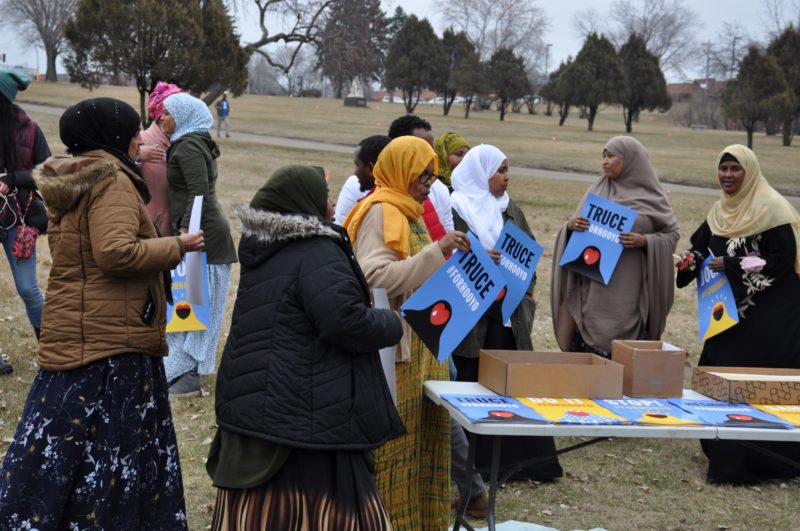
The April 6 event marks the launch of “For Hooyoo,” an anti-gun violence campaign. Ahmed wept and held back her tears as she explained about how Hassan was killed  on a Wednesday night while waiting in a car. It was about 10:20 p.m. when someone walked to the side window and shot him, police said.

Hassan drove off, heading south on Camden Avenue, but soon crashed into a parked car. Police said he escaped out of the car and collapsed on the sidewalk. He was later pronounced dead at North Memorial Health Hospital. Ahmed’s second son was recently left handicapped by gunshot wounds. These days, she says her heart pounds when she hears any ambulance sirens.

“They all know each other. They are like a family. They all play with each other,” Nimco Ahmed said about her two sons growing up with other boys around Cedar Riverside. But now, she fears the gripping violence that is taking place in their Minneapolis neighborhood where they all call home. “I didn’t even understand now. The thing we need from them is to stop [the violence].”

For Hooyoo

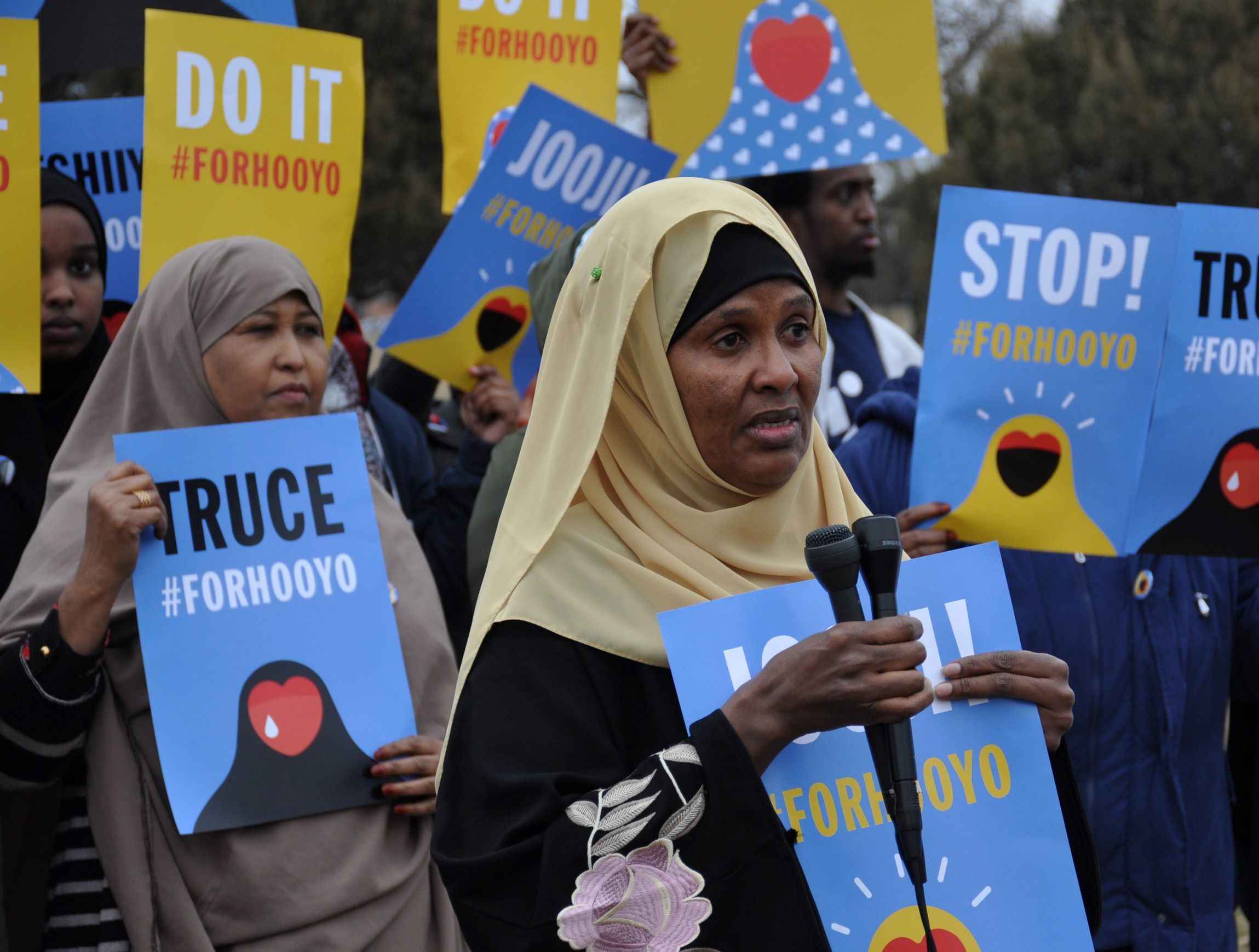
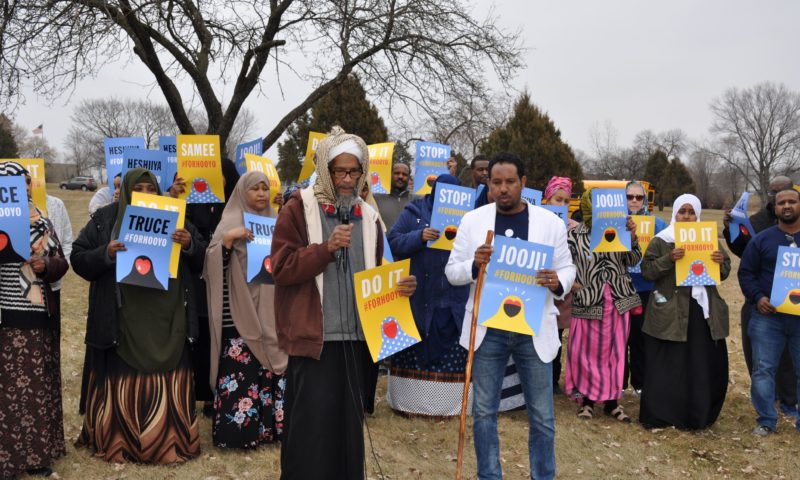
Ahmed is a member of the newly formed group of Somali and other East African mothers whose children have been killed through gun violence in Minneapolis. The Saturday event at the Islamic Cemetery was organized by Daryeel Youth in collaboration with Somali and Oromia mothers to launch their campaign “For Hooyoo,” which hopes to minimize gun violence by centering it around the mothers’ love for their children.

A t is shown in the water.
“For Hooyoo” campaign in Burnsville. Photo: (c) Issa Mansaray/ The AfricaPaper

“For Hooyoo” is urging youths to stop the gun violence that is taking many young lives to the Burnsville cemetery. The campaign is pleading for them to stop for the sake of  their mothers – “Hooyoo.” The organizers said they launched this campaign at the Islamic Cemetery to draw the youths’ attention to the realities of gun violence and the countless number of youths laid to rest here.

The mothers want to draw attention to the recent killings and identify strategies to combat what they described as a “public health and safety epidemic.” For Hooyoo, the campaign is to promote the positive roles that parents, and young people can play to make their communities safer and free of gun violence.

The Message

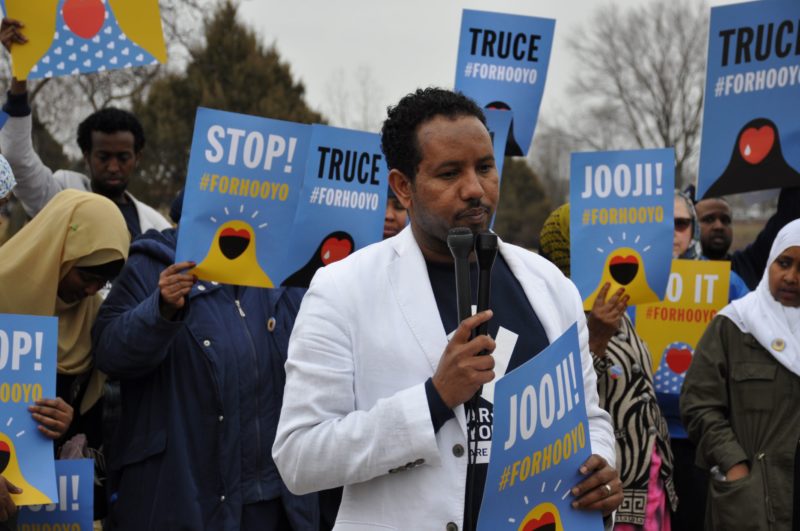
“The Somali community continues to be plagued by gun violence with little or no solution to minimize or end gun-related homicides and injuries that are horrifying entire neighborhoods and communities,” said Abdirahman Mukhtar, volunteer and founder of Daryeel Youth.

A t is shown in the water.
Abdirahman Mukhtar, volunteer and founder of Daryeel Youth. Photo: (c) Issa Mansaray/ The AfricaPaper

“Somali and East African mothers mourn the most, often raising their children single-handedly. Knowing that many of the youths have love and respect for their mothers, they hope is that this campaign will be a more appealing and effective tool in which mothers can convey their message to young people.”

From 2007 when gun violence started to erupt in the East African community in Minneapolis, more than 40 Somali-American youths have lost their lives to gun violence, according to community leaders. Ahmed said they live in fear almost every day, not knowing what would happen to their children at any given moment when the go out from their homes.  

“I live in fear,” said Nimco Ahmed, whose second son was shot in front of the Somali Mall. “No one borns a son and wants him killed… it’s painful and fear every day.”

It is the same sentiment expressed by the other mothers’ present. For them, the only painful thing now is living in fear. “You always have to look around,” Ahmed added, as she urges all the youths to stop gun violence now.

Age of Violence

The shootings are mostly driven by cliques and clans, in order words, “gangs,” according to Sasha Cotton from the City of Minneapolis Violence Prevention office. Cotton said such  groups are loosely organized in the neighborhood and the shootings are mostly interpersonal and fueled by online rivalries.

A t is shown in the water.
Sasha Cotton from the City of Minneapolis Violence Prevention office. Photo: (c) Issa Mansaray / The AfricaPaper

“This is not like the olden days … like Crips and Bloods. This is the new thing from social media. We got to unite around peace,” said Cotton.

The newly formed office wants to help the community in addressing gun killings but wants the initiatives to come from each community and the type of help they want the City to offer, particularly from the leaders and young people.

“We want the city to mobilize communities. We believe the solutions are there. These requires partnership with the city and community members and our law enforcement … to make sure that young people are safe,” Cotton added.

Lost Lives

From January to March this year, seven East African youths have been shot in Minnesota. Two of them killed on the spot, according to Mukhtar. This increase in gun violence worries the mothers present at the launching event. The violence driven by social media encourages young residents to form gangs without a hierarchy.

“It saddens me as a mother, doing this work and seeing many young people whose lives have been taken. We want to help solve their problem without resolving to gun violence,” Cotton said.

She explained that the problems related to gun violence are vast, but poverty and lack of opportunities play major roles. For many of the youths, job opportunities and education give them hope and something to look forward to, “than a reason to die.”

A t is shown in the water.
Brother Abdullah talks about the pain of burying many youths. Photos: Issa A. Mansaray/The AfricaPaper

For Brother Abdullah, the violence is real, as evidence at the Islamic Cemetery, and has devastated the hearts of mothers present at the launching “For Hooyoo.” Abdullah knows the issues and the pain many  mothers are going through. He washed them in accordance with Islamic norms and prayed for them before their burial. He has been doing this for more than fifteen years.

“I have washed all of them. It has been bothering me all these years and I’ve been speaking out about it,” said Brother Abdullah. Adding that many community members have been in denial. “The community is disconnected with the youths.”

A t is shown in the water.
Garden of Eden Islamic Cemetery in Burnsville, Minnesota. Photo: Issa Mansaray/ The AfricaPaper, 2019

Like most of the parent present, he hopes the campaign will urge the youths to stop the violence and find ways to help each other in their community.  |TAP|The AfricaPaper

Fifth Pan-African Parliament Ordinary Session Gets Underway in Kigali as President Kagame Calls for African Integration


By Anthony Abdul Karim Kamara, Jnr | The AfricaPaper

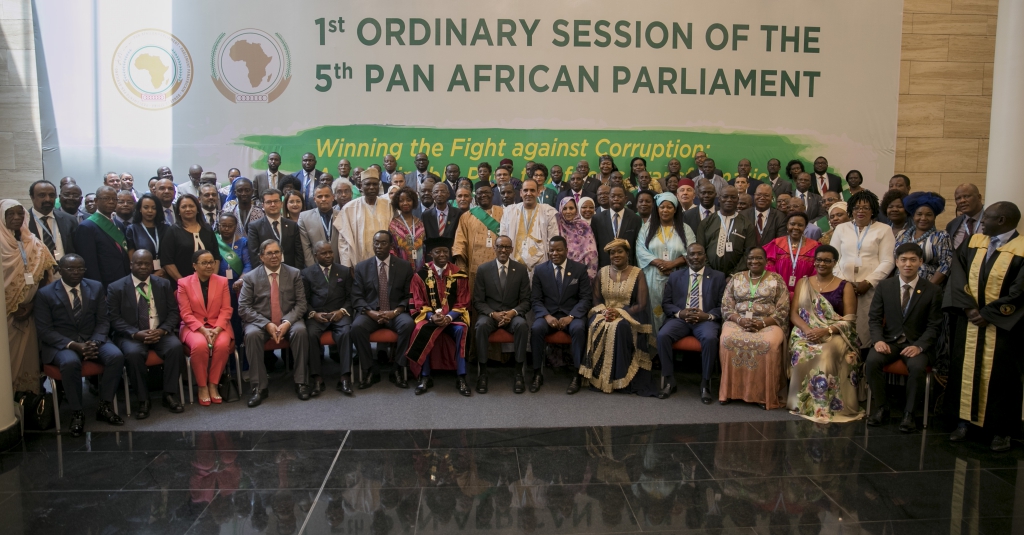
As calls for an African integration echo across Africa and overseas, our correspondent in Rwanda reports with a focus on the Fifth Pan-African Parliament Ordinary Session opening in Kigali, Rwanda. President Kagame’s call on Members to support ‘African Integration.’ The President of the Pan-African Parliament fights corruption allegations. Rwanda pledges for a ‘commitment to common destiny and continental stability.’

KIGALI, Rwanda – President Paul Kagame has on behalf of his country offered a warm welcome to Members of the Pan-African Parliament gathered in Kigali from around the continent for the organ’s Fifth Parliament ordinary Session.

All of Rwanda is “honoured to serve as your host,” said Kagame amidst a stunning display of Rwandan culture as he called on legislators to consider Rwanda “home.”

Advancing Africa’s Interest

A t is shown in the water.
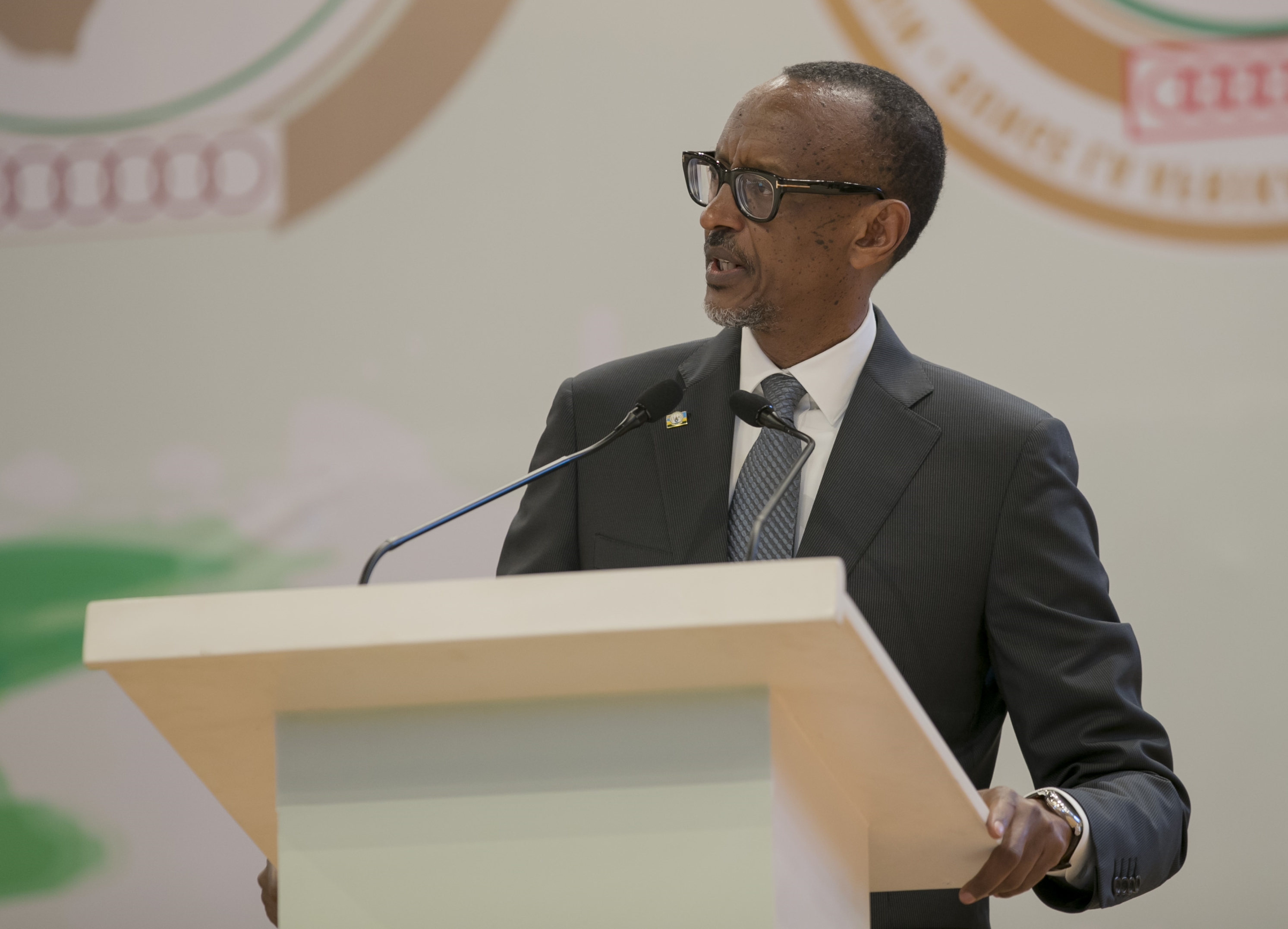
President Kagame addresses Pan-African Parliament. Photo: Anthony A. K. Kamara / The AfricaPaper

“Working together is the only way to give Africa’s position the weight it deserves, in the wider geopolitical context,” as he called on legislators to be ‘strong advocates’ for the continent’s integration.

Kagame, currently chairperson of the African Union (AU) was speaking in his capacity as Guest of Honour at the opening plenary of the African parliament high-level summit noting that Africa must be ready to face the significant changes taking place around the world and the region to be able to speak with “one voice” and “advance her interests.”

“Responsibility for Africa’s security and prosperity is firmly in our hands. We must meet the imperative of good governance, with innovations and solutions drawn from Africa’s rich experiences and cultures, even as we remain open to benefiting from the best global insights,” he underscored.

Role of Pan-African Parliament Legislators

On the ratification of the African Continental Free Trade Agreement, the Protocol on the Free Movement of Persons, and other key pillars of Agenda 2063, and their potential contribution to continental transformation, Kagame reminded the PAP legislature of their role and admonished them to take their work seriously.

A t is shown in the water.
President Kagame and President of Pan-African Parliament pose with Members of the continental African Union. Photo: Anthony A. K. Kamara / The AfricaPaper

“The entry into force of these historic compacts will do more than almost anything else to accelerate economic growth and shatter outdated perceptions of our continent. We cannot afford to squander the momentum we have gained.”

Calling on the legislators to be strong advocates for African integration, President Kagame noted that their dual responsibilities both to their national legislator and to the continent increases the monumental impact they all could possibly make for an on behalf of Africa.

“We need your help to communicate more effectively with constituents and stakeholders in civil society about the importance of these agreements for the well-being of our citizens and our economies.”

Corruption in Africa

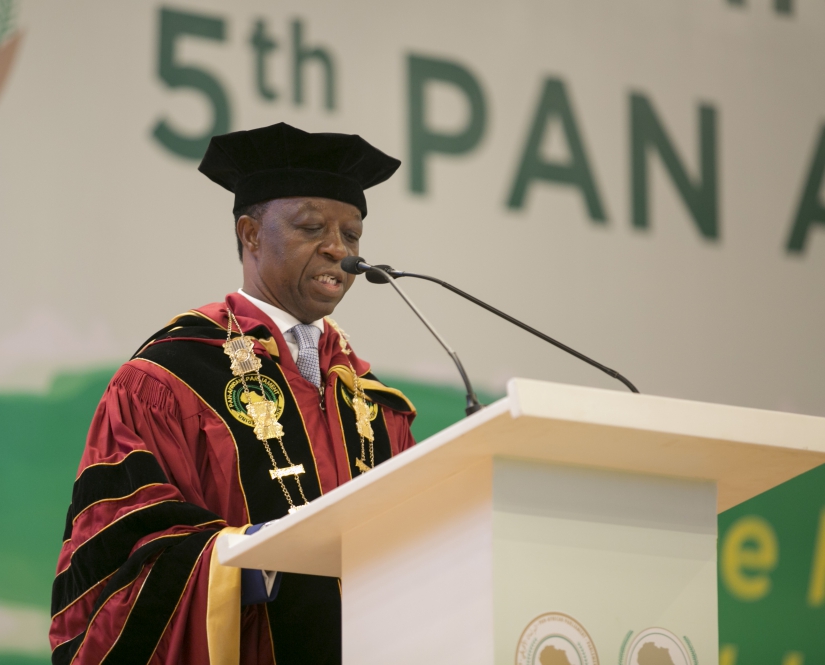
Many critics contend that the theme “Winning the Fight against Corruption – A Sustainable Path to Africa’s Transformation,” is timely given that Hon. Roger Nkodo Dang, President of the parliamentary body, has himself been accused of corruption. He denies the allegations describing them as politically motivated and the work of losers.

A t is shown in the water.
Hon. Roger Nkodo Dang, PAP President. Photo: Anthony A. K. Kamara / The AfricaPaper

“Rwanda is important in the fight against corruption on the continent as it offers a proven model for creating a massively popular awakening in the campaign against corruption,” said the Cameroonian MP. “Political will and state instruments are crucial in this fight.”

Dang has been accused of leading a dysfunctional legislature and failing to fulfil its mandate, thus, the fight for a corrupt-free Africa may need to start from PAP’s doorsteps.

Aside from corruption, participants are also slated to discuss peace and security in Africa, the role and impact of the African Union electoral observation missions with a focus on cases of electoral disputes across the continent, transitional justice, the draft model disability law, and the African Peer Review Mechanism (APRM) Country Review Reports.

The Malabo Protocol

As currently constituted, the PAP is only a consultative and advisory organ of the AU. However, if ratified, the Malabo Protocol provides for the election of MPs to the continental assembly from outside the membership of national parliaments. It also provides for representation of two women out of five designated members per country.

A t is shown in the water.
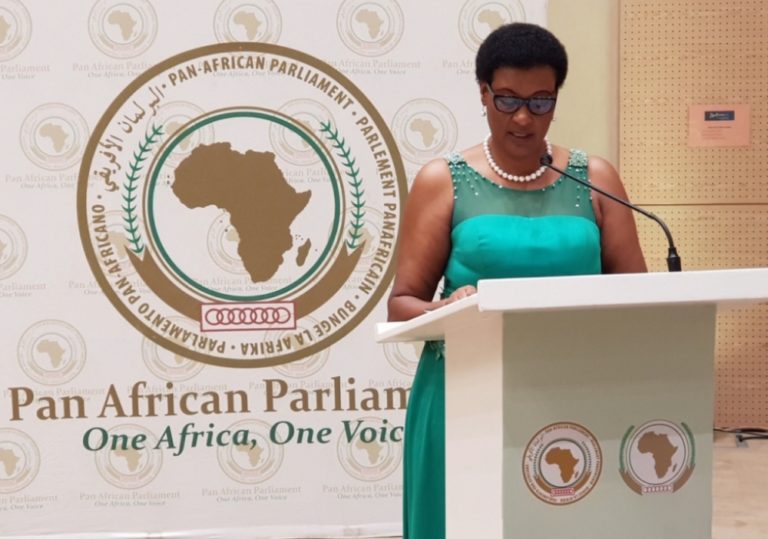
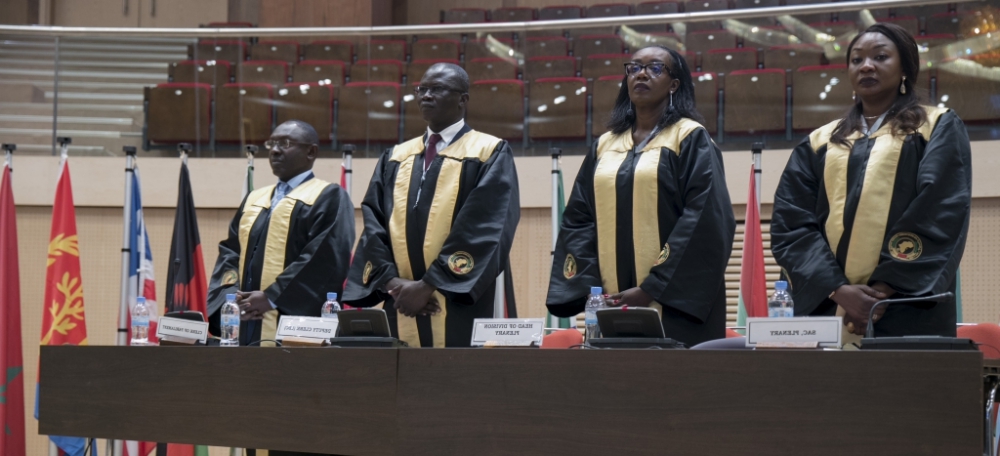
Members of the PAP Secretariat. Photo: Anthony A. K. Kamara / The AfricaPaper

Issued in 2014 and intended to be a game changer, giving the PAP sweeping legislative powers – but the document is still to be adopted. Dang hosted a press conference where he responded to questions around the protocol.

Visionary Leadership

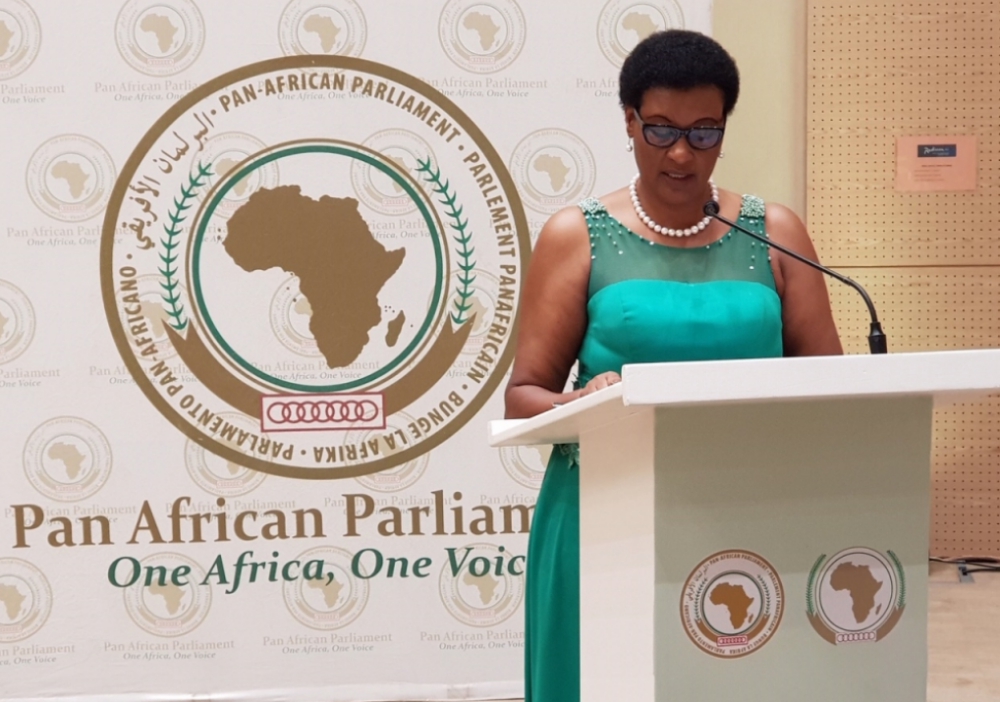
‘It is our mandate as Members of Parliament through legislation and oversight of Government’s actions to make sure that Africans that we represent in our respective parliaments live a decent and dignified life,” said Hon. Mukabalisa Donatille, Speaker of the Rwandan Parliament.

A t is shown in the water.
Speaker. Photo: Anthony A. K. Kamara / The AfricaPaper

Calling on governments in the region to create an environment for their citizens to flourish, she noted that President Kagame’s “visionary leadership” has created an environment that enables all Rwandans “to maximize their potentials,” – remarks she delivered during a high-level sumptuous dinner organized for participants.

“Rwanda,” she said, remains open to sharing, exchanging and learning from experiences and best practices as she pledges strong partnerships for a shared “common destiny, continental stability and development.”

The session runs from Oct. 18 to Nov. 3, 2018.

|TAP| Africa’s Newspaper of Record | Twitter: @theafricapaper

World Copyright

The AfricaPaper, USA, 2018. All rights reserved. Photos and text may not be published, broadcast, rewritten, redistributed or used in any form without the written permission of The AfricaPaper, and AIIR. We take legal action for any copyright infringement.