Home Blog Page 33

George Family Foundation Brings Hopes; Pumps $3 million for New Approaches to Mind-body Wellness


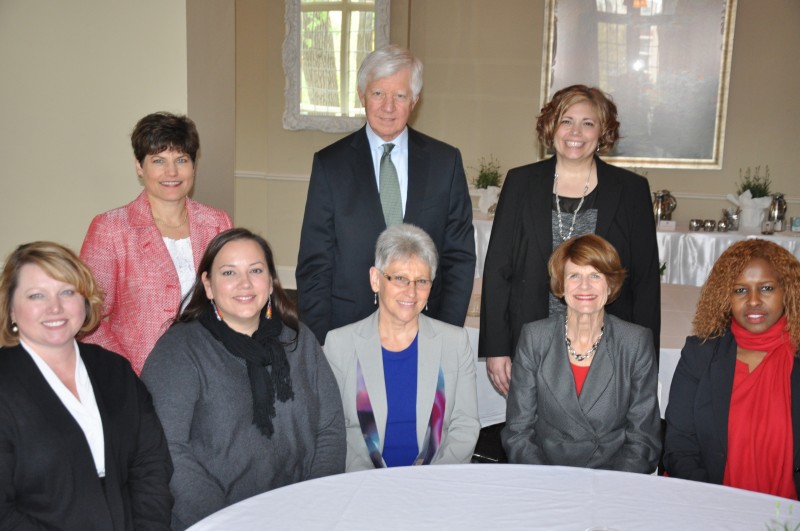
Catalyst Initiative Launched. Photo: Issa Mansaray /The AfricaPaper
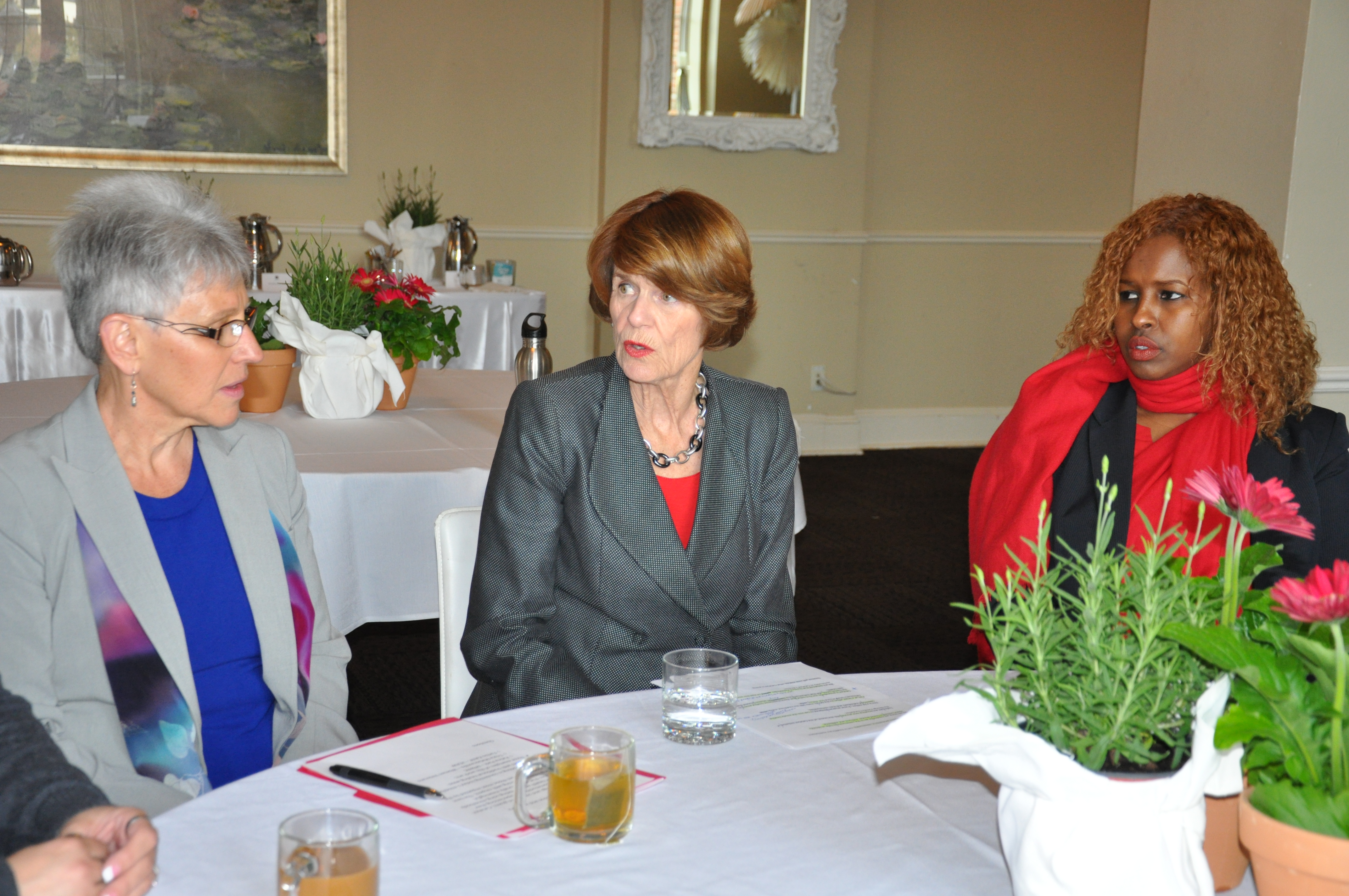
Standing from L to R Gayle Ober, Executive Director George Family Foundation, Prof. Bill George, Vice Chair & Treasurer; Dawn Johnson, Catalyst Initiative Coordinator. From L to R – Trista Matascastillo, Chairwoman, Women Veterans Initiative; Patina Park, Executive Director, Minnesota Indian Women’s Resources Center; Suzanne Koepplinger, Director, Catalyst Initiative; Penny George, Board Chair, George Family Foundation; Farhio Khalif, Executive Director; Voices of East African Women. Photo: Issa Mansaray /The AfricaPaper

By Issa Mansaray and James Fasuekoi | The AfricaPaper

Minneapolis, Minn – The George Family Foundation on Tuesday, launched a new Catalyst Initiative (CI) project in Minneapolis, Minn. It is designed to tackle mind-body wellness practices for all Minnesotans in a new way perhaps, never seen before. Catalyst tries to connect all communities together.

Larger Effort

“The new project is part of a larger effort by the George Family Foundation to make Minnesota the healthiest state and to transform healthcare delivery,” said, Board Chair, Penny George, as she briefed journalists during the opening session at the Calhoun Beach Club, Dean Parkway.

The foundation’s newest project is worth $3 million and the program is designed for a 3-year period to help support community based health and traditional healing practices, “using mind-body approaches that are culturally meaningful.”
Grantees
Grantees

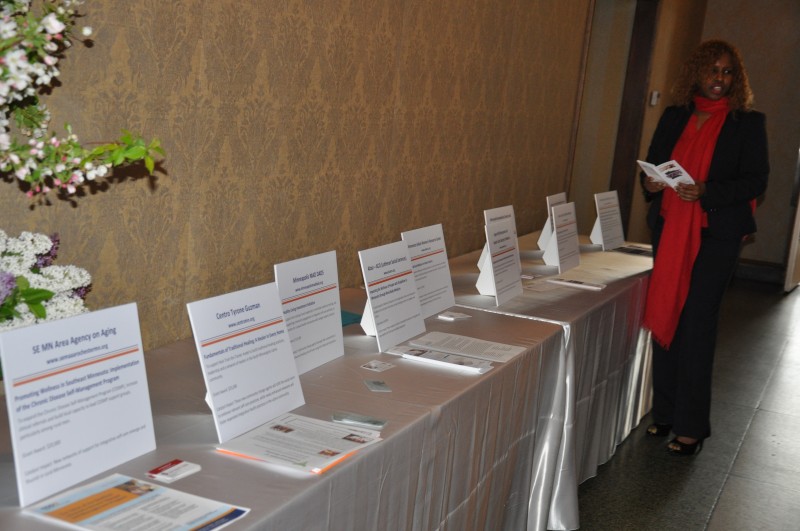
Twelve community-based organizations that are involved with training of leadership in mind-body, spirit transformation, have benefited in receiving seed grants ranging from $15,000 to $25,000.00. The Minnesota Indian Women’s Resource Center (MIWRC), Women Veterans Initiative (WVI) and the Voice of East African Women (VEAW) are the latest beneficiaries.

Grass-root Level

Executives of the GFF and CI also indicated that the new initiative will approach the subject line from a grass root level by reaching out into neighborhoods, engaging and encouraging the participation of leaders from diverse social, cultural and religious spheres in their drive to create a healthy community.

Accordingly, the goal of the foundation is to transform healthcare delivery and community wellbeing from an institutionalized method as was in the past to the grassroots level. In other words, its aim is to combine conventional and alternative approaches in a coordinated manner for maximum community benefits. In all, this approach places emphasis on preventing illness, extend lifespan, and not “emphasizing treating diseases.”

For Suzanne Koepplinger, director for the Catalyst Initiative, the goal isn’t about going into communities and “telling anyone what they need.” Rather, she says, “We are all about listening to what they need, and helping them get there – often through only small seed grants.”

Mind, Body and Spirit
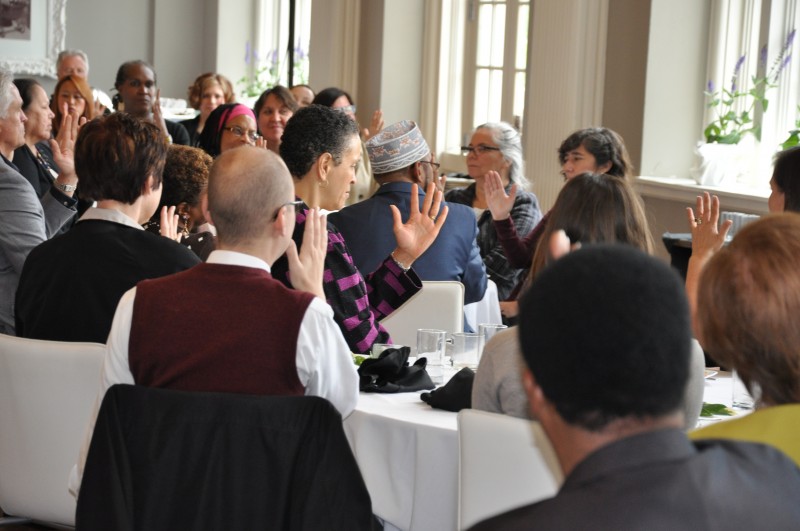
A cross section of attendees. Photo: Issa Mansaray/The AfricaPaper

Tuesday’s ceremony was colorful and the first of its kind for many, in place of the usual traditional presentation style whereby the audience will sit and only listen to various speakers. Instead, every attendee became a presenter-participant and by the time the program was about to end, each at least had an idea of the meaning of mind, body and spirit.

The occasion brought together a record crowd that comprised of mostly community leaders, health professionals, social groups, humanitarian and cultural foundations; with each making presentations in special prayerful ways relating to the mind-body wellbeing while the gathering recited.

Linda Eagle, a Native American-Indian, demonstrated how people from her background perform healing through mind-body-spirit exercises. Members of the audience followed Linda’s demonstrations which centered on deep meditation.
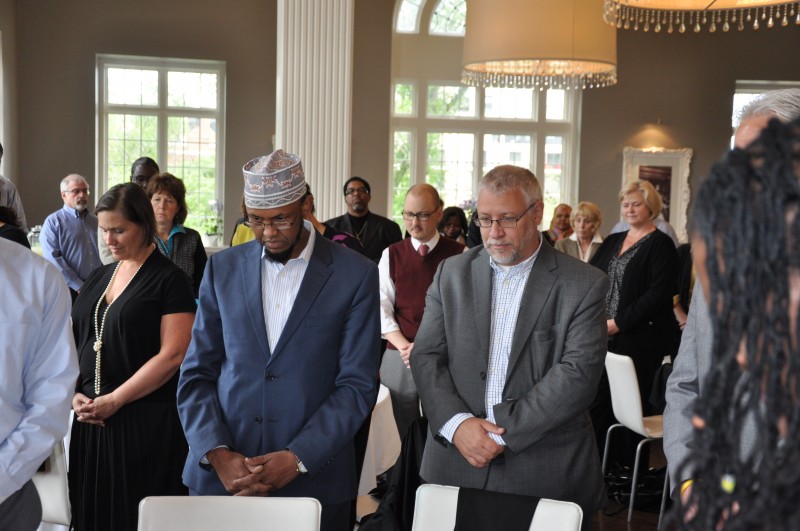
Imam Sharif Mohamed, leader of Dar Al-Hijrah Mosque and the Islamic Civil Society in Minneapolis, MN. Photo: Issa Mansaray/ The AfricaPaper

Imam Sharif Mohamed, leader of Dar Al-Hijrah Mosque and the Islamic Civil Society in Minneapolis, Minn., also offered meditative prayers in Islam in relation to mind-body wellness. The Somali Islamic leader began his presentation by requesting everyone to say something positive about the person standing next to him.

The presentation by Rev. Alika P. Galloway, pastor of Kwanzaa Community Church in North Minneapolis, partly touched the works of Jesus Christ of Nazareth, who she described as a great healer who preached peace and healed multitude of people. She cited the woman with the “blood” issue in the Holy Bible (Luke 8:44), as one of those healed by the Messiah.

Rev. Galloway maintained what makes the human family unique isn’t so much because of “our joys and happiness but it is our pains that make us one human family.”

A presenter from the Asian community spoke of the essence of maintaining a positive mind when it comes to the integration of the mind, body and spiritual wellbeing of people.

He further demonstrated a few mind-body techniques, otherwise known as Tai Chi within Asian-Japanese communities around the world. Tai Chi is an Asian traditional healing method that involves high-level of meditation by an individual for wellness and other purposes.

Human Touch

A cross section of attendees. Photo: Issa Mansaray/The AfricaPaper

Speaking for her group, Farhio Khalif, whose organization, the Voice of East African Women, happens to be one of George Family Foundation beneficiaries, praises executives of the both GFF and CI for their efforts and stressed the need for the practice of traditional healing alongside western medicines.

Khalif explained that “human touch” is very important in the healing process for people from her Somali cultural background. She said touch itself, can go a long way in helping people get well from their ailment but regrettably, she point out, they now find themselves in a new culture where a doctor would come and spend only 15 minutes with a patient in the room without giving the individual a touch.

The Somali women’s advocate who once owned a locally based traditional health-healing firm similar to the practice of mind-body and spirit wellbeing, offered immerse thanks to the George Family Foundation for undertaking such meaningful projects.

“The partnership we have with the George Family Foundation will really create healing in my community,” said Patina Park, Executive Director of Minnesota Indian Women’s Resource Center. “There is multi-generational trauma that we’ve experienced, and there has been a lot of efforts to help us, without really asking us what we needed. And the George Family Catalyst is very deliberately asking us what we need.”

Innate Wisdom
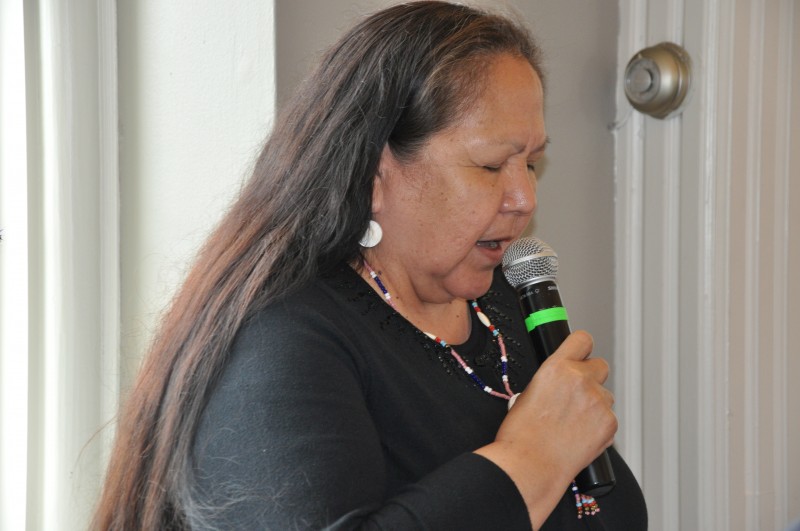
Linda Eagle. Photo: ISsa Mansaray /The AfricaPaper
Linda Eagle. Photo: Issa Mansaray /The AfricaPaper

During the start of the program, a minute of quietude was observed as part of the traditions of mind, body and spirit wellbeing. The exercise enabled members of the mass media and other invitees to experience firsthand what the entire presentation of mind-body wellness was about.

In the past, it has been observed that people who practiced traditional medicines and healing in Africa, Asia, and other parts of the world, lived far longer compared to present generations.

However, with the advent of new sterling progress in both medicines and technology in the last decades, it has become baffling that human’s hopes and expectation of living longer have continued to diminish with the presence of stressed like symptoms that often lead to numerous diseases, among them, cancer which has become a leading killer.

But, whatever the situation, the following statement by founder Penny George that “Catalyst is grounded in our firm belief in the power of the human spirit and in the individual’s innate wisdom about his or her own health,” indeed, leaves everyone with hope that all isn’t at all lost. TAP
 

Final Farewell to Barway Collins


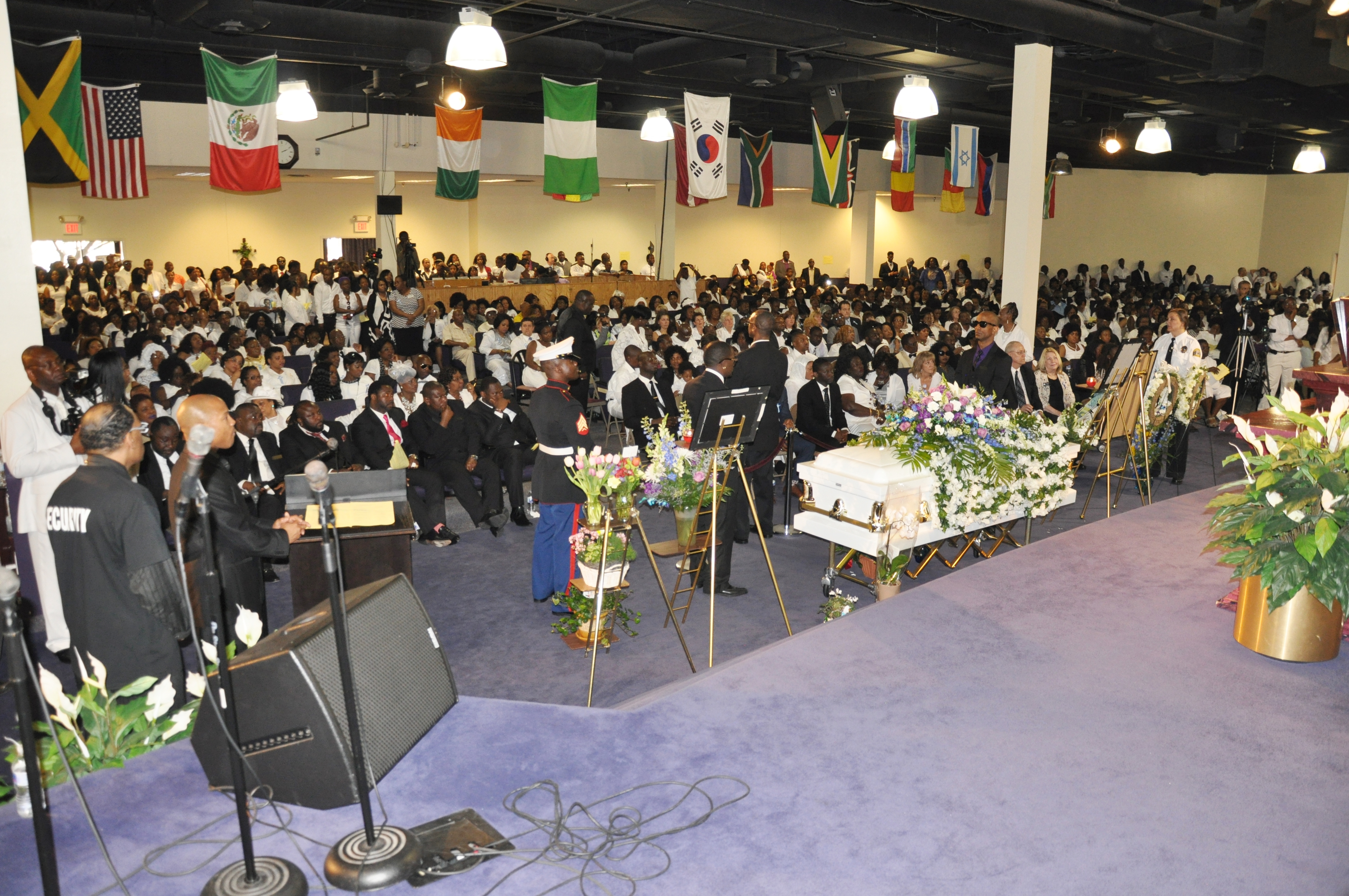
Many from the Liberia Community attended Barway's  funeral. Photo: Issa Mansaray |The AfricaPaper.

Many from the Liberian Community attended Barway’s funeral. Photo: Issa Mansaray |The AfricaPaper.

By James Kokulo Fasuekoi | The AfricaPaper

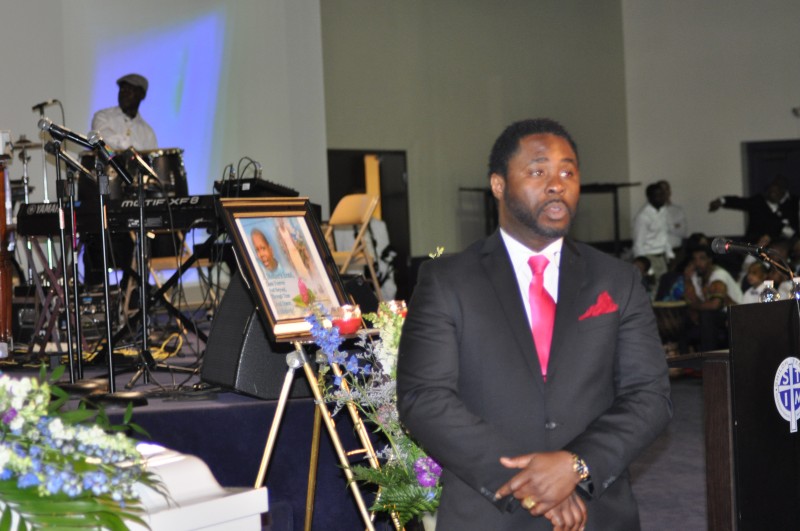
MINNEAPOLIS, Minn – Indignations and cries for justice overshadowed the requiem for Barway Collins, as hundreds converged on the Shiloh Temple International Ministries to bid him farewell.

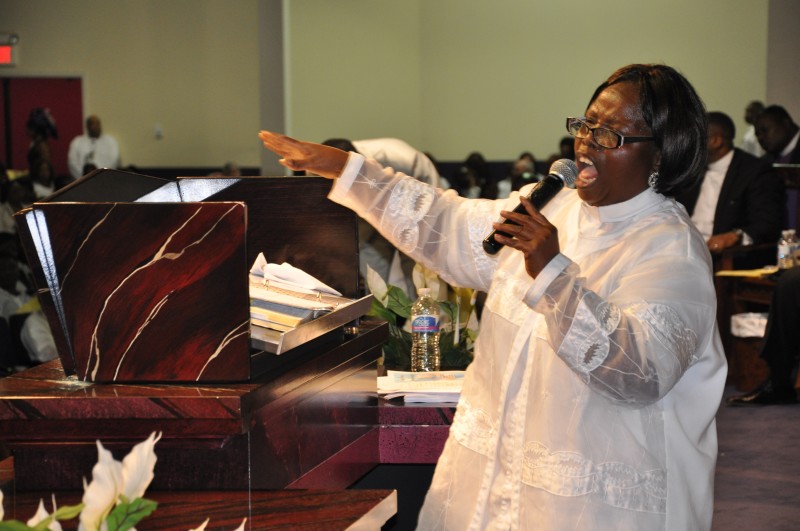
“We will always remember the name called Barway,” said Pastor Sarah Kendema, as she delivered the eulogy last Saturday. “Children are the ones that we all should care for, but Barway’s life was cut short,” Pastor Kendema said, referencing the 10-year-old Crystal boy whose body was found last month in the Mississippi River three weeks after he was reported missing.

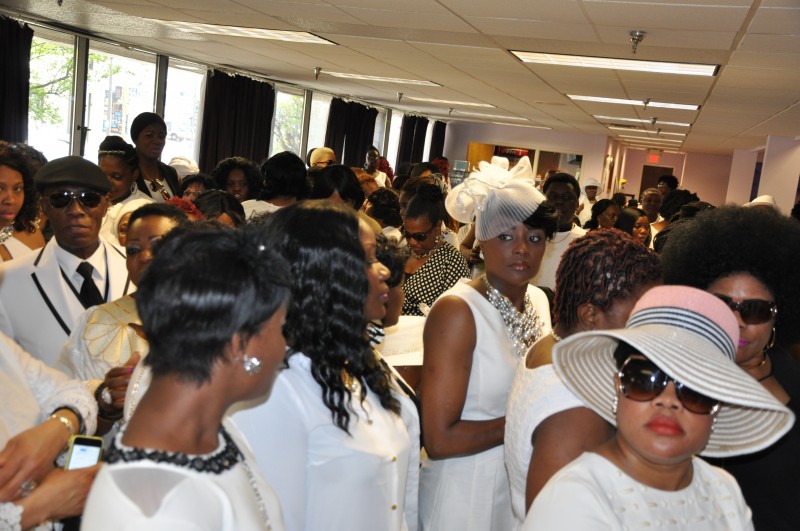
The Shiloh Temple church was packed to capacity including the mini auditoriums designed to hold a little over a hundred each, with mounted giant sized television screens that let the audience monitor the programs. In the main auditorium, hundreds of mourners stood calmly in hallways and the back area for hours.

Outside of the church’s edifices, members of the Emergency Medical Team (EMT) stood ready to deal with any emergency medical situation. In one instance, a middle aged woman shouted before she collapsed as a farewell poem was read by Barway’s former teachers. A group of ushers rushed to her aid while some ran outside to notify EMT personnel.

Security

Security
Security

Beneath the church’s huge podium, Barway’s body lying in state in a beautiful white coffin, and for every 30 minutes or so, fully-attired guardsmen and women from state’s paramilitary and community groups swapped positions, almost similar to the daily changing of the guards in Allenton, Virginia. In addition, there was a wide range of security personnel including the local police and state troopers, all strategically positioned in and outside the church.

Many Minnesotans who couldn’t make it to the funeral watched the occasion on television from homes and workplaces. In attendance were city, county and state officials including Brooklyn Center Mayor Tim Wilson.

Barway’s mother, Louise Karluah, who had traveled from Liberia to Minnesota, was also in attendance.

And from the Liberian community, people came from all corners of Minnesota and beyond. They came as sympathizers, friends and associations to pay tribute to a young boy whose family tragedy has no doubt turned him into a national icon. One such Liberian association present at the event was the Association of Liberians in Milwaukee, WI, led by its secretary general Musa Konneh and the group’s president,

Missing, and Found Dead

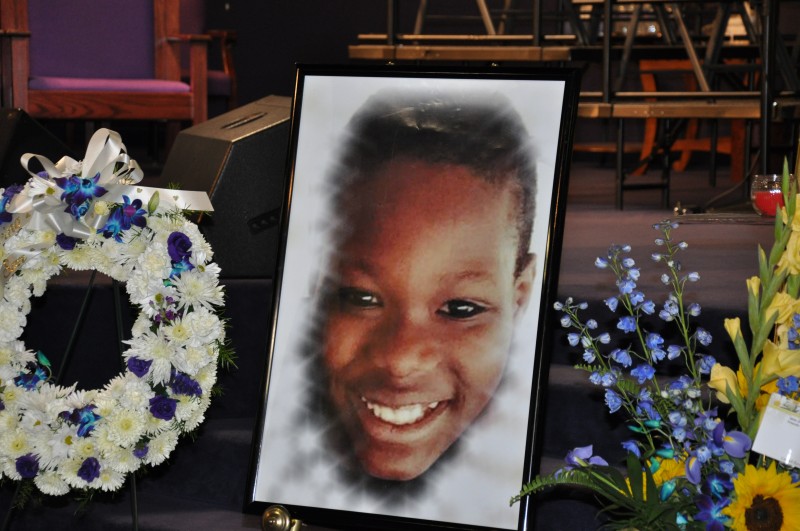
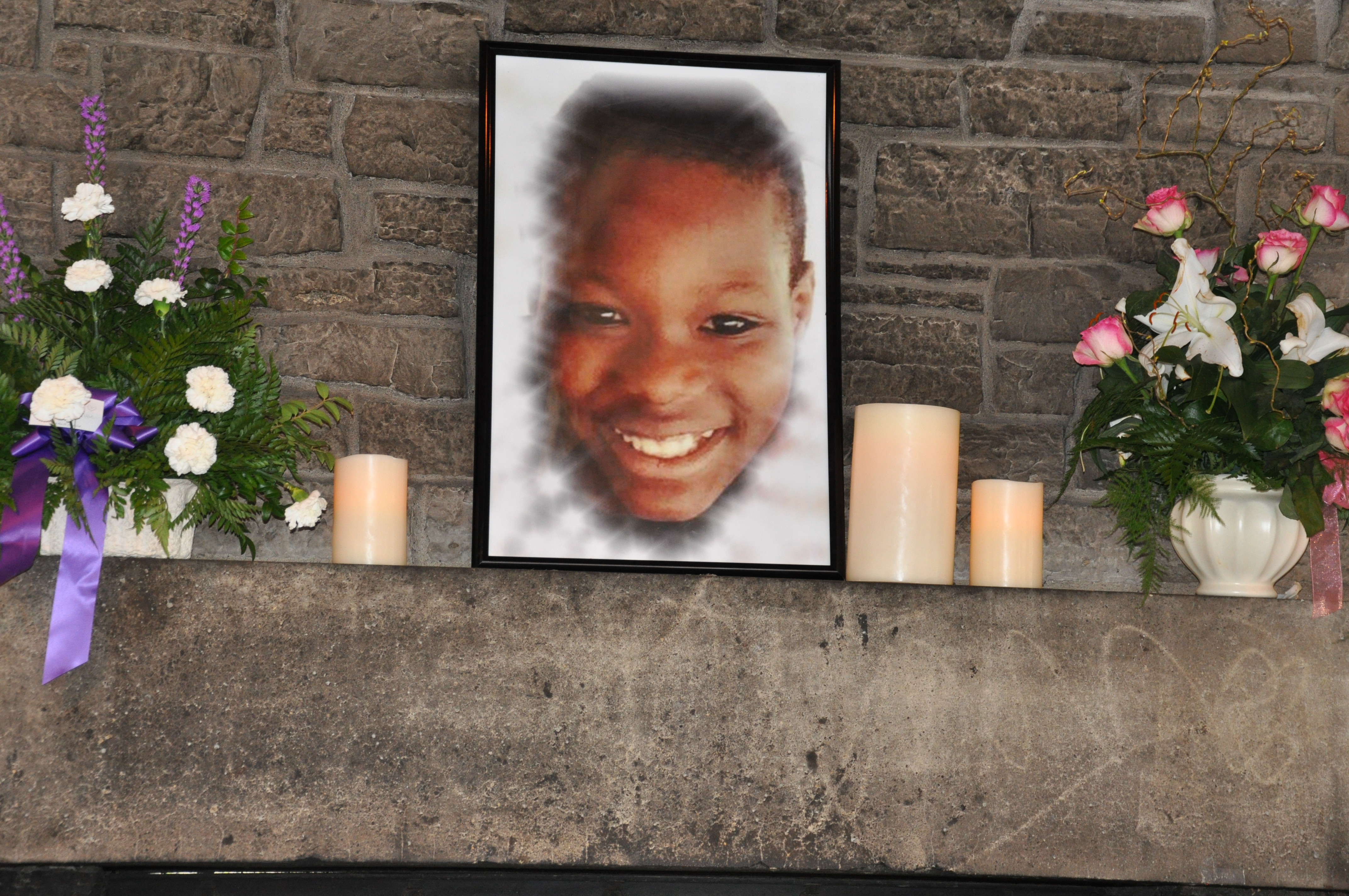
Late Barway Collins' Photo.  Issa Mansaray| The AfricaPaper.
Late Barway Collins’ Photo.
Issa Mansaray| The AfricaPaper.

Barway Collins who left Liberia at the age of 5, to live with his dad and attend school in the United States, was first reported missing March 18 by his father Pierre Collins. However, days into the search for Barway, Crystal Police declared Mr. Collins a suspect in the boy’s disappearance, an allegation he persistently denied.

Few weeks later, Barway’s body was found in a reservoir in the Mississippi River in Minneapolis. Police have charged Mr. Collins with Second-degree murder in connection with his son’s death. He remained in Hennepin County jail awaiting trial.

In spite of his short lifespan, many of the people who encountered Barway prior to his tragic death told memorable stories about him mostly centered around love and care for other children, whether at home, school or in church. In his church, he is said to have paid close attention to his spiritual duty and would collect Bibles and neatly re-pack them after service.

Despair and Tears

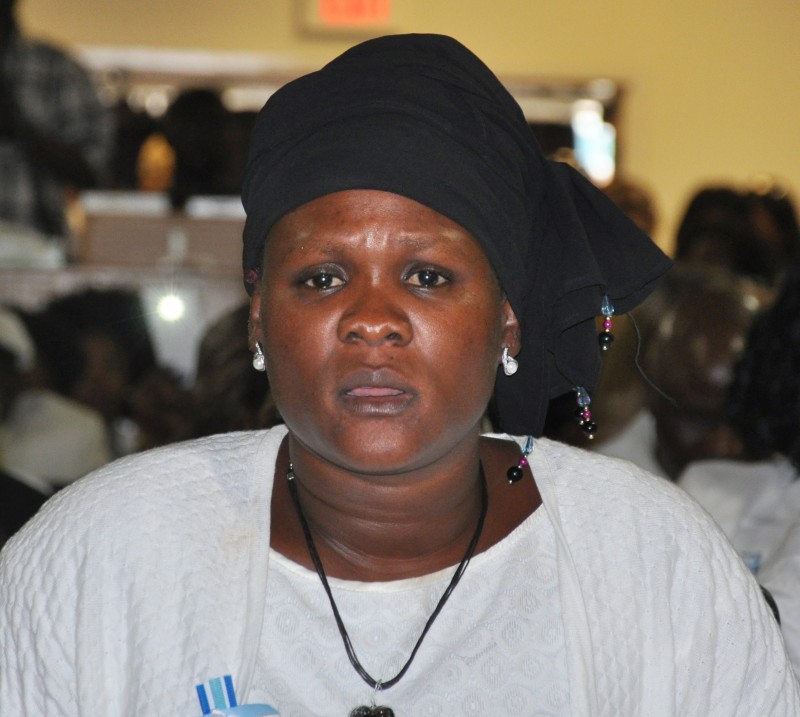
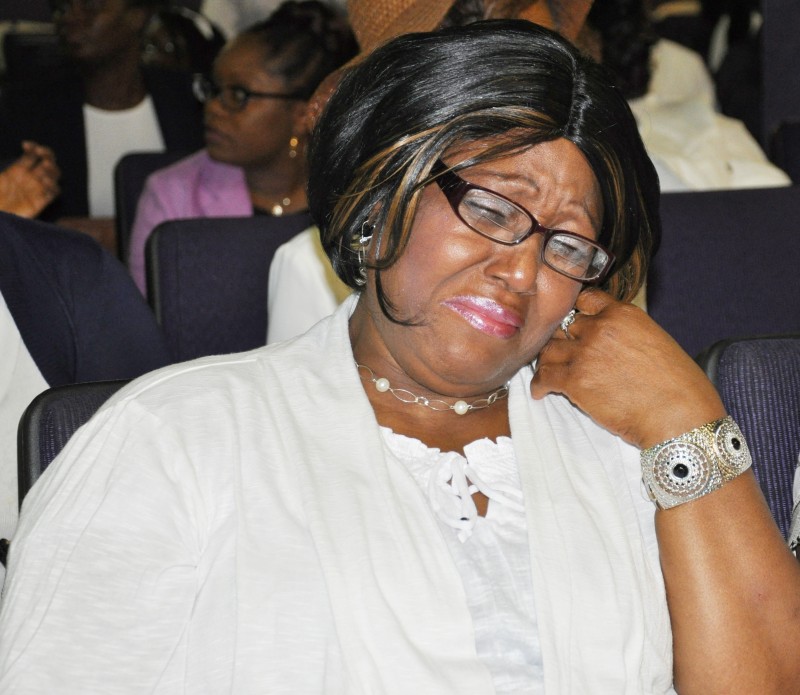
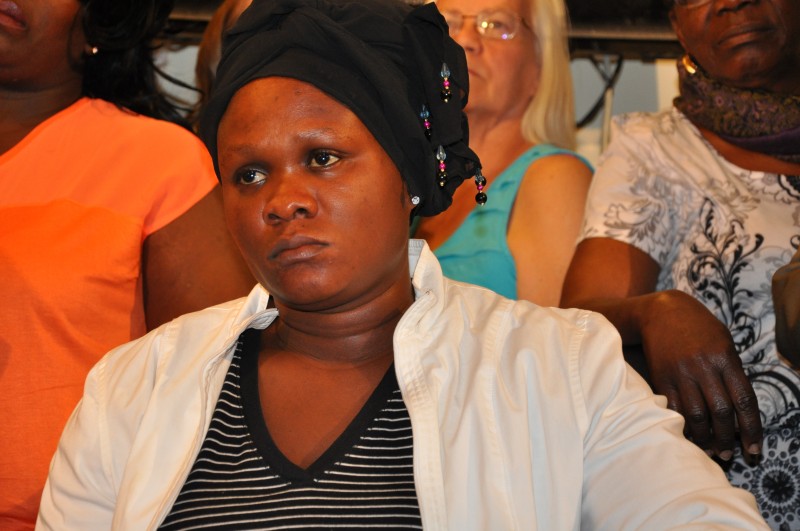
Barway's mother. Photo: James Faseuekoi |The AfricaPaper
Louise Karluah, late Barway’s mother. Photo: James Faseuekoi |The AfricaPaper

Adults of the various Minnesota communities weren’t the only people devastated by the tragedy. Classmates and friends of Barway were also troubled by the loss of the 4th grader and each struggled in his or her own way to express their griefs through letters and poems. One of Barway’s classmates, Jenna from Evergreen Elementary School wrote: “I am so sorry you die. If I could, I would bring you back to school.” “Everybody misses you and care about you,” Barway’s teacher, Gayle Nelson read the poem to the congregation.

Another poem entitled “WHEN WILL IT STOP?” was read by Evergreen Elementary School’s principal, Sheryl Ray: “Not being with my family, when will it stop? People hurting people, when will it stop? Starving children, when will it stop? People getting stolen, when will it stop? When kids lead for a better life, when will it stop?”

The poem had scores of mourners gnashing their teeth in total despair and tears.

“Barway cared deeply about his classmates and teachers,” said Principal Ray, quoting one of Barway’s teachers. “He was a great friend, always trying to find passages,”quoting another teacher, “Classmates found him to be a funny and warm caring friend,” she said. According to Ms. Ray, another teacher described Barway as someone who was fascinated by words and people around him. “We will always remember him in our school community,” Ms. Ray said.

Community Child

Pastor Sarah Kendema. Photo: James Fasuekoi | The AfricaPaper

Pastor Sarah Kendema described Barway as a “community child. “Our hope, and our future,” she said “Justice will come to Barway,” she added.

Pastor Kendema further stated that Barway had vision, hope, dreams and a purpose for his life but said those “dreams, hope and purpose” were never achieved. She called on the congregation to help “Barway achieve his dreams, vision and purpose” in life.

Pastor Kendema referenced a book entitled, “WHERE IS GOD?” written by James C. Nyemah, a Liberian preacher. The book she said described our changing world.

“We will never forget that day Barway was taken from us,” she continued. “We will never forget when we heard on the news that Barway was found in the Mississippi River. We will never forget! It seems that all hopes had been gone when Barway was taken away from us.”

Reassuring Mourners

Mourner. Photo: Issa Mansaray | The AfricaPaper

Pastor Kendema compared Barway’s life to that of Job in the Holy Bible. Job, she said was “blameless and upright, and one who feared God and shunned evil,” she said.

Somali King Burhan Musa Visits Minnesota to Settle Clan Disputes


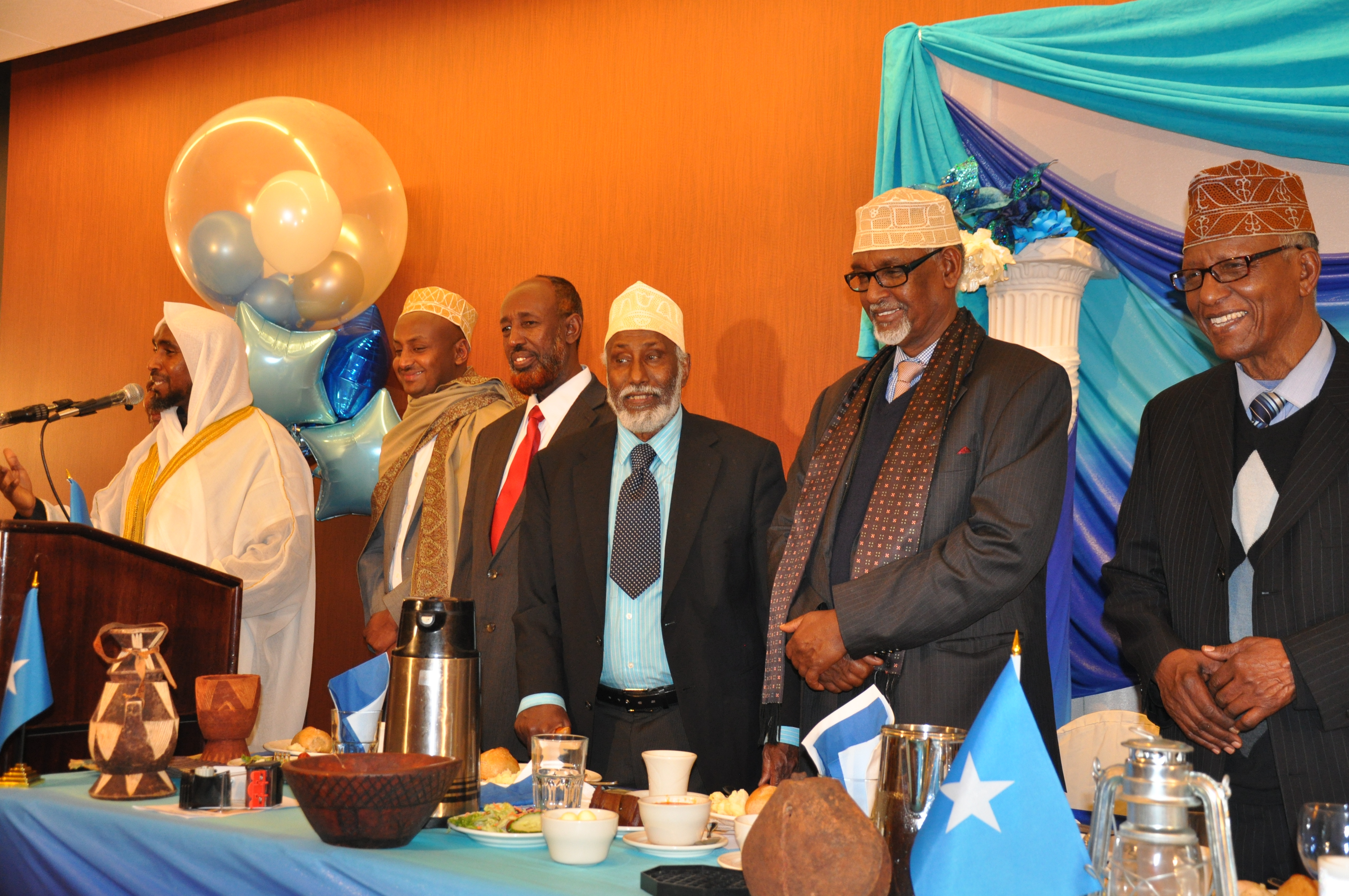
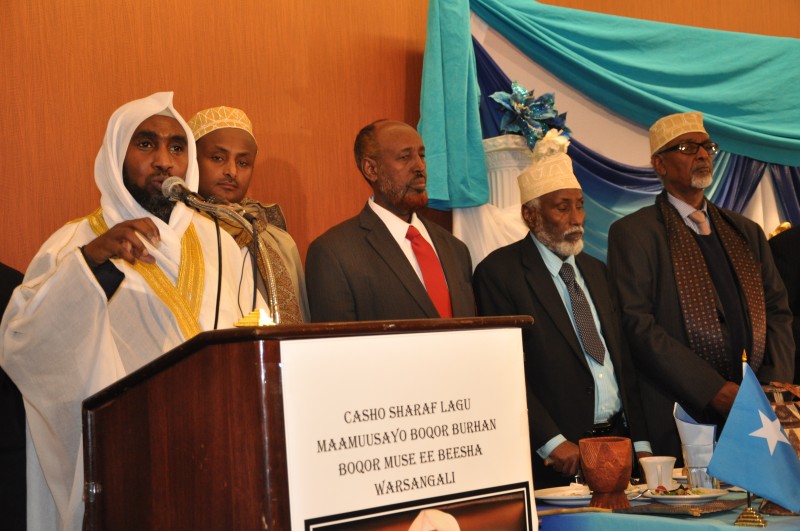
King Burhan Musa speaks to Somalis in Minneapolis. Photo: The AfricaPaper.

By Issa Mansaray | The AfricaPaper

Minneapolis, Minn – King Burhan Musa, the 34th King of the Daarood Kingdom has arrived in Minneapolis to settle what appeared to have been ongoing disputes among Somali traditional clan elders abroad.

For years, Somali traditional clan elders have been accused of serious rivalries that often resulted in division and disunity among the various groups. At home in Somalia, years of fighting has pushed people out of their homelands, displacing them to refugee camps in neighboring countries. Challenges like this has often prompted the King to travel abroad as a leader in an effort to maintain peace.

King Burhan Musa, who controls one of the largest clans in Somalia and the Horn of Africa, arrived in the US last month.

Entourage

Mohamoud Hamud from  Rochester . Photo, Issa Mansaray/The AfricaPaper
Mohamoud Hamud from Rochester . Photo, Issa Mansaray/The AfricaPaper

On Sunday, March 28 at about 8 p.m. King Musa, entered the hall with a huge entourage at the Ramada Hotel, Industrial Blvd. Somali women sang, and men recited poems praising the King as he entered the hotel. The King waved and smiled as he took the gold-painted chair that has been reserved for him at the high table.

In his speech, King Burhan Musa prayed for peace and asked for God’s guidance for all Somalis at home and abroad. He condemned the recent terrorists’ attacks in Somalia, neighboring Kenya and abroad. And then, he called on all Somalis to unite and work for lasting peace.

“The King said it is too bad, that the Somali people are killing each other,” said Abshir Mohamed, from the Somali community in Minneapolis. “What we need to do to solve the problem, is for everyone to sit down and address the problems of Somalia.”

The country has been politically troubled for more that twenty years, and so many youths, and families have lost their lives to various warring factions. In recent years, terrorists and local militias have attacked and killed government ministers. The King wants a stable and peaceful country to rebuild what have been lost during the wars in Somalia.

Mohamoud Hamud from Rochester, request that King Burhan try to reconcile between transitional leadership and modern way of life, to encourage the growing number of youths in the country.

Bringing Peace

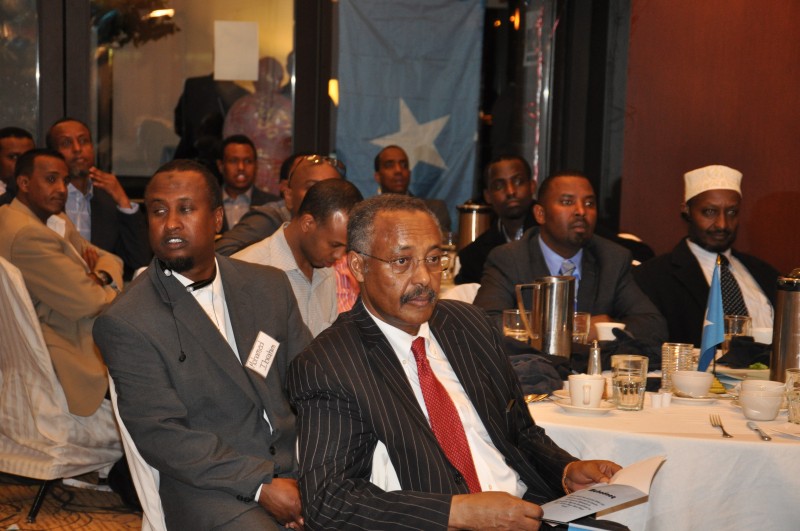
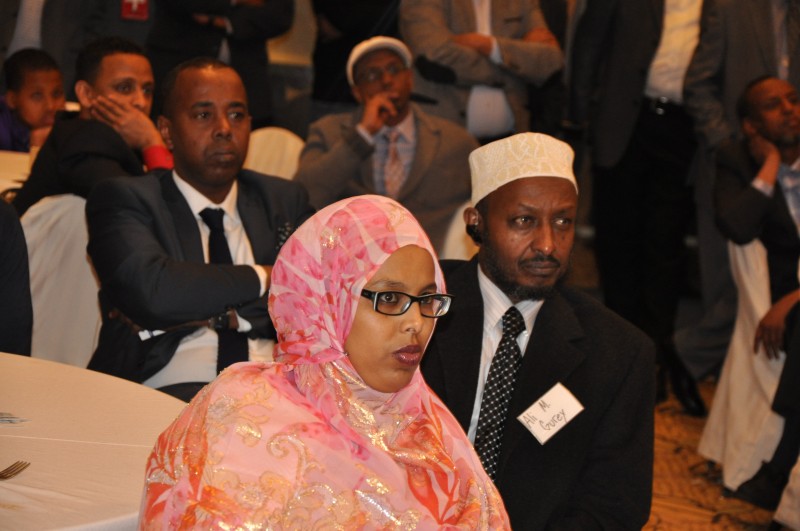
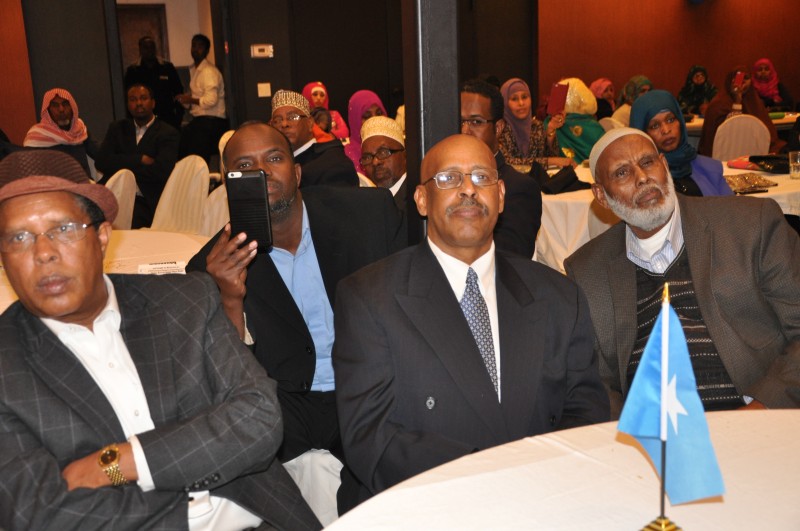
Somalis listen to King  Burhan at the Ramada in Minneapolis. Photo: Issa Mansray/The AfricaPaper
Somalis listen to King Burhan at the Ramada in Minneapolis. Photo: Issa Mansray/The AfricaPaper

After years of political turmoil, terrorism, and clan fighting in Somalia, the crowd at the Ramada believe Somali traditional elders can solve the country’s political problems, but first they need to solve their internal disputes and find common grounds for lasting peace in the troubled African nation.

Flanked by traditional elders, King Burhan Musa said he has come to bring peace, and wants peace for all Somalis at home and abroad. On his three-day visit, King Burhan Musa gathered more than 300 Somali clan elders and community leaders at the Ramada Hotel. He asked all of them to settle their quarrels as peaceful citizens of both the United States and Somalia.

The King added that the next generation of Somalis depend on those in the diaspora to bring peace to their homeland and develop the country that hasn’t realize peace or economic development for almost three decades. He also warned his countrymen to respect women who continue to suffer while husbands and children are being killed.

Think about Somali children

A cross section of Somalis at the Ramada Hotel listen to King Burhan.

King Burhan Musa also urged his countrymen and women to think about the children of the shattered nation and not to harm them in any conflict. He stressed that without schools, and development, Somalia will continue to face escalating problems of unemployment for many years to come. He asked those gathered at the Ramada to speak their minds, and find peaceful solutions to the endless problems of Somalia that include clan fighting, Somalis killing each other and terrorism spreading across their country.

Terrorists, King Burhan Musa said have given Somalia a bad image, and Somalis at home and abroad. He plans to hold separate meetings with Somali religious leaders, and elders from the various clans in the Twin Cities.

King Burhan Musa was officially crowned in the prehistoric city of Gardo, Puntland State of Somalia in May 2014 after serving for almost five years following his father death.

“Many people like him. He is an honest person,” said Abshir Mohamed. “Even his great grandfathers have been fighting for peace since the 1800s.”

South Africa’s Xenophobic Attacks Send Shock-waves Across Africa and Abroad.


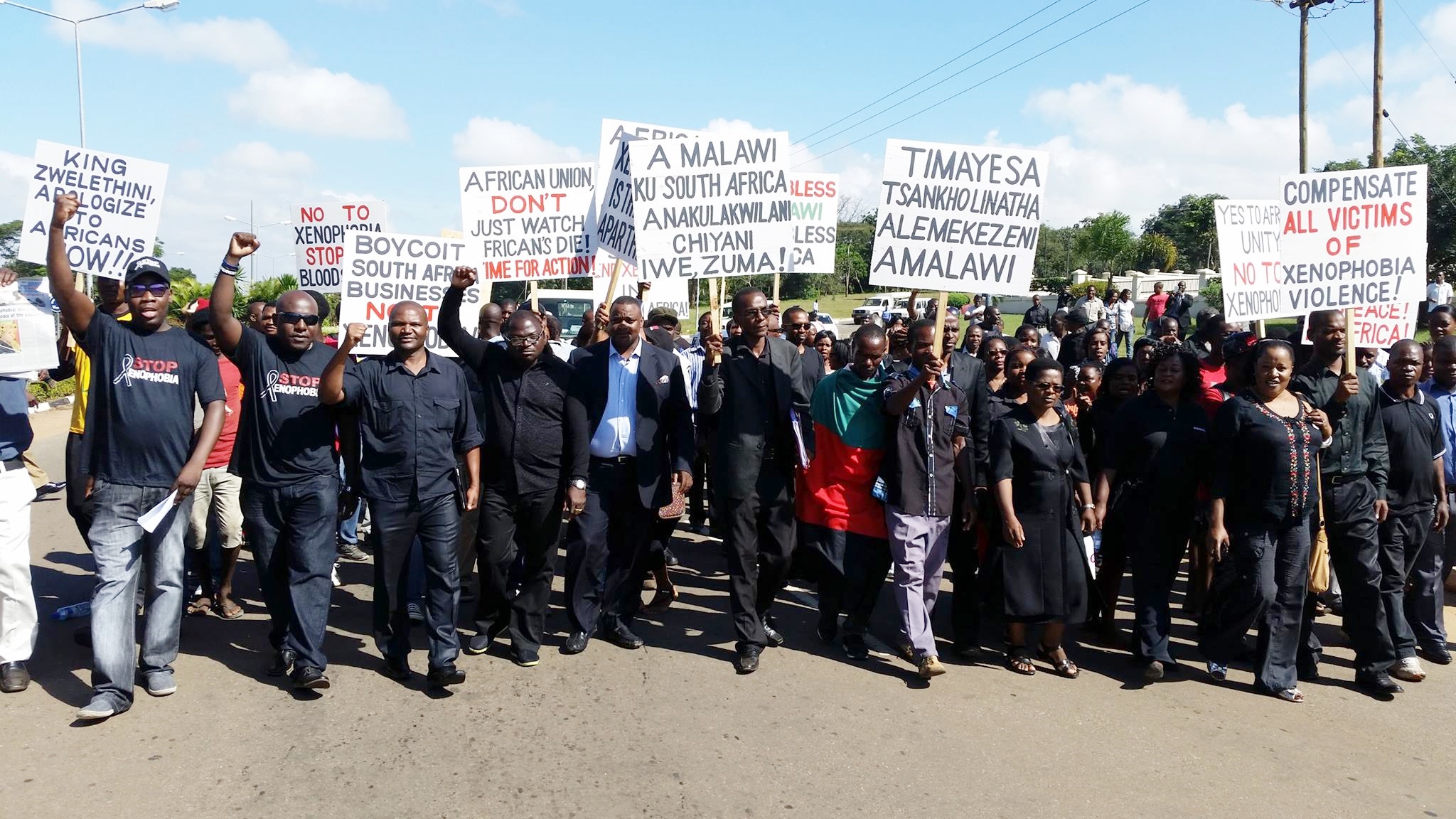
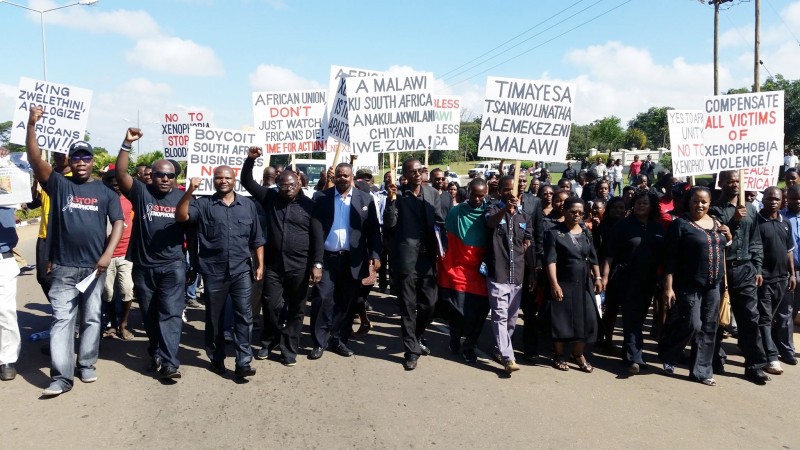
Protest in Malawi against South Africa's Xenophobic Attacks. Phot o  - Henry K. Mhango, The AfricaPaper
Protest in Malawi against South Africa’s Xenophobic Attacks. Photo – Henry K. Mhango/The AfricaPaper

Malawi, Zambia, Zimbabwe, and other African Nations Take to the Streets in Protest.

By Henry K. Mhango | The AfricaPaper

Lilongwe, Malawi – Highly charged Malawians and Zambian nationals on Friday covered the two countries major cities and streets with ‘black color’ as part of the continued protests over a wave of xenophobic attacks by South Africans against foreigners, mostly from other African nations which they have branded as Emergence of black apartheid.

Brutal Attacks

At least three Malawians have died, several injured, and 3,200 affected by the brutal attacks which started late last month in Durban, South Africa, after alleged remarks by the country’s influential Zulu King Goodwill Zwelithini that foreigners should leave the country.

Several people in the region say the Zulu King’s remarks provoked the locals to turn against thousands of foreigners from Somalia, Nigeria, Mozambique, Zimbabwe, Malawi and other countries.

Hunting Foreigners

“It was unbelievable to see young South Africans setting alight young children and stabbing their parents to death,” said, Alless Phiri, a Malawian, and a witness to the event in South Africa.

Ms. Phiri said she witnessed her brother being killed by the “vicious” South Africans adding that the perpetrators were moving about with machetes and other weapons, hunting for foreigners and killing them brutally in the presence of law enforcement officers.

She encouraged the thousands of people gathered in the commercial city of Blantyre to welcome their nationals as they returned after fleeing South Africa.

Ms. Phiri told the crowd that the attackers also severely injured her husband who is currently in the Intensive Care Unit at one of the Hospitals in South Africa.

“I have never (eaten) any food since I saw the body of my brother in a pool of blood,” she said.

Protest and Petition

Testimonies from Ms. Phiri and others who witnessed the killing sparked anger among South Africa’s neighbors and civil society groups who are continuing to protest to influence the South African government probe those involved in the attacks and killings.

The protesters led by some of the country’s top notch human rights activists wore black clothes and marched from the Malawi Parliament building to the South African High Commissioner to Malawi, Cassandra Mbuyane-Makone in the capital, Lilongwe, where they presented their petition entitled ‘We condemn Black apartheid’

“We, the people of Malawi, stand in solidarity with all Africans to condemn in the strongest terms the current resurgence of xenophobia in the Republic of South Africa,” said Billy Mayaya, a human rights activists. ” Xenophobia is the new apartheid, and it threatens to undo the regains that South Africa has made after the end of apartheid,” Mr. Mayaya, added.

Amid the anti South African songs and chanting by the protesters who carried placards with anti-xenophobia massages, Executive Director of the Centre for Human Rights and Rehabilitation Timothy Mtambo, added his voice to the protest.

“We call up on the south African government to ensure that the South African Human Rights Commission investigates xenophobia comments reportedly made by Zulu King Goodwill Zwelithini, Edward Zuma and Minister Lindiwe Zulu and take appropriate action,” said Mr. Mtambo.

“We demand that the South African police service should thoroughly investigate the attacks and hold those responsible accountable,” said Mr. Mtambo.

Vigils and Boycott

Apart from Malawi, people in the neighboring Zambia have also protested against the attacks in South Africa.

On the same Friday, thousands of the protesters in both countries held vigils in South Africans major shops such Game and Shoprite, and have since then, been boycotting South African products and businesses to influence urgent action by the South African government.

During the vigil at one of the South Africa’s shop in Zambia, one of the women stripped off her clothes she bought in a South African shop and was left barely naked to express her anger.

Shocked and Disappointed

Receiving the petition, the South African High Commissioner who coincidentally also wore black suit said she was equally disappointed with the barbaric attacks of immigrants by her country’s citizens.

She, assured the protesters that she would forward the document to President Jacob Zuma’s State House in Pretoria without delay.

Meanwhile, Malawi and Zimbabwe governments are repatriating their nationals back home but all the returnees are arriving home without property their belongings or other properties acquired while living in South Africa.

The Malawian President Peter Mutharika and his Zimbabwean counterpart Robert Mugabe, who are co-chairs of the African Union and Southern Africa Development Community (SADC) have expressed shock and disgust on the attacks.

“President Professor Arthur Peter Mutharika is deeply shocked with the xenophobic attacks in South Africa against foreigners, and has opened discussions over the development with President Jacob Zuma through our SADC body,” said Malawi government spokesperson Kondwani Nankhumwa at a Press Conference in Blantyre.

Speaking during the Zimbabwe’s 35th independence celebrations in the capital Halare last week, Mugabe is reported to have said the act of treating other Africans in that horrible way can never be condoned by any one.

History of Xenophobia

In 2008, the Malawi human rights defenders and many locals also protested and petitioned South African Embassy over the first xenophobia attacks in South Africa against immigrants. The event left 60 people dead, several injured and hundreds of thousands affected.

Just seven years down the line, the acts of barbarism are repeating themselves in the Africa’s economic hub. A Malawian social commentator Peter Mumba challenges that such acts may come to an end if the victimized countries’ governments tackle the root causes of the problem.

“People from most of these (victimized) countries are flocking to South Africa to look for jobs since there are high unemployment problems in their countries,” Mr. Mumba said. ” No one would be interested to put his or her life at risk by going to South Africa when there are job opportunities in his or her country,” Mr. Mumba added.

Job Scarcity

Indeed, Malawi Minister of Labour and Manpower Development Henry Mussa admits that job scarcity is a major challenge faced by the country. He told The AfricaPaper that about 1.9million qualified Malawians are failing to access employment.

Statistics also indicate that about one million Zimbabweans live in South Africa having escaped an economic crisis.

However, the Malawi government spokesperson Kondwani Nankhumwa said Mutharika’s administration is currently focusing on vocational skills building, and entrepreneurship to manage the unemployment problem.

“His Excellency the President Mutharika early this year launched the Community Technical Colleges program where youths are equipped with vocational skills in motor vehicle mechanics, tailoring, plumbing, carpentry and joinery, and many more in the Technical Colleges that have been established in all districts in the country.

“Soon after graduating, government will give them tools for their work and capital to establish their own workplaces,” said Nakhumwa. He added that the government is establishing a Development Bank to offer loans to people engaging in entrepreneurship programs.

“Government is also implementing the Youth Enterprise Development Fund (YEDEF), and Malawi Rural Development Fund (MADEF) which provide loans to youth and other people in rural areas for engaging in various enterprises. The aim is to combat unemployment among the people and improve the country’s socio economic status.”

The AfricaPaper: Based in Malawi, Henry writes for The AfricaPaper. He has worked for various media organizations including the state Malawi News Agency, the Big Issue Malawi Magazine, Capital Radio Malawi, and International Network of Street News Service (UK). His work has also been published by The Guardian (UK). He covers politics, economy, human rights, environment and development for The AfricaPaper.

Barway’s Mom Weeps Profusely; Asks Why?


Louise Karluah, late Barway Collins mother Urges sympathizers to wear all-white at Funeral.
Louise Karluah, late Barway Edwin Collins mother from Liberia. Photo: The AfricaPaper

Urges sympathizers to wear all-white at Funeral

By James Kokulo Fasuekoi | The AfricaPaper

Brooklyn Park, Minn – Every African mother who has a child that lives in the United States dreams of one day visiting to celebrate the child’s wedding or graduation, but not to come and be taken to a funeral home to view the child’s body.

Fate

Unfortunately, this was the fate of Ms. Louise Karluah, a young Liberian woman who arrived here Wednesday at the St. Paul-Minneapolis International Airport under the full glare of the U.S. mass media in preparation for the funeral of her late 10 year-old, Barway Collins.

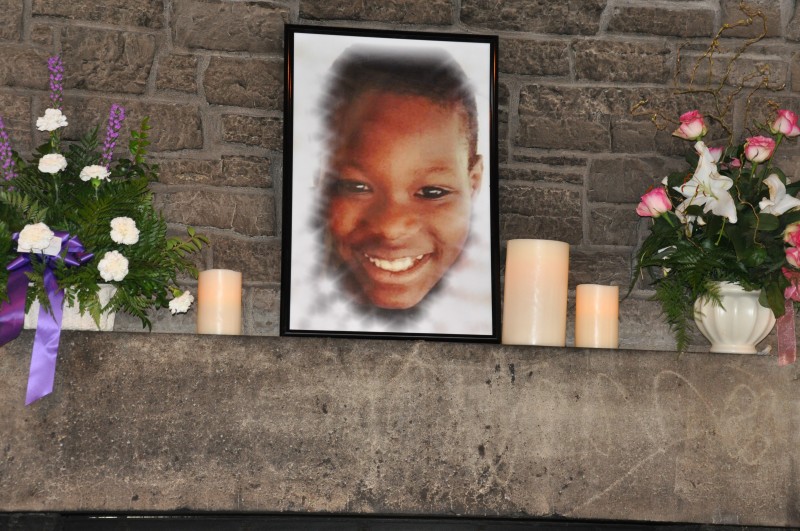
Late Barway Collins
Late Barway Collins

Her son, Barway, a 4th grade student at the Evergreen School, was reported missing March 18th by his father Pierre Collins, hours after a school bus dropped him off at their Cedarwood apartment. Three weeks later, the boy’s body was found in the Mississippi River by volunteered searchers. Since then, Ms. Karluah has come under media spotlight.

With barely a rest since her arrival, Louise was escorted to the Estes Funeral Chapel home Thursday afternoon to view her son’s remains for the first time. Accompanying her were officials of various religious and Liberian-Minnesota based groups, members of the “Barway Search Team” as well as a city official.

Search for Answers

Barway wrote hIs name on his slate at Evergreens.

Louise Karluah sobbed endlessly in her native language, sometimes mixing with English at the time of viewing the body. “Barway Collins…you spoil my effort; why you did this to me? Why?” she shouted repeatedly. But it’s a question law enforcement agencies in Minnesota are trying to find an answer.

Overwhelmed by her son’s reported murder, Ms. Karluah couldn’t stop screaming, even after being pulled away from the body and taken to the Chapel’s hallways where friends and some religious leaders surrounded her in attempt to console her. The scene was devastating so much that some of those comforting her gave in to tears.

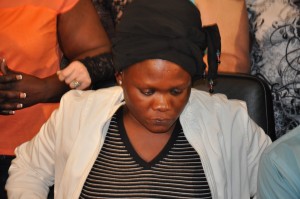
Karluah holds back tears at the press conference

Difficult Moment

Perhaps, the most difficult moment for Ms. Karluah will be Saturday, May 2nd, when hundreds will join her to bid a final farewell to late Barway Collins.

Prior to the viewing, Karluah was taken to the main offices of the Organization of Liberians in Minnesota (OLM), in Brooklyn Park, Minn., where a news conference organized by the Search for Barway Team awaited her.

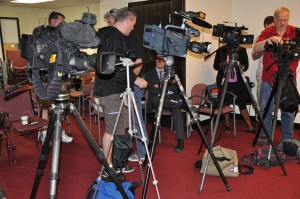
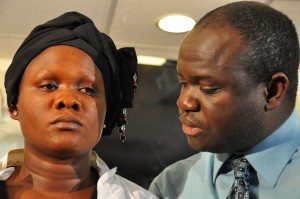
With her heart heavily laden with sorrow, Ms. Karluah sat quietly, unable to speak even to those who sat next to her. Her facial expression implied a woman angry and helpless and for much of the duration of the news conference, she stared at working journalists and only awoke to address the media in less than two minutes when it was her turn.

Thanks

Ms. Karluah extended thanks to the American Government and Liberian women as well as members of the Minnesota communities who joined the search efforts to find the body of Barway Collins.

Asked by a reporter to narrate a short story regarding her memories of Barway while he grew up in her arms, Karluah refused, apparently trying to avoid a flashback. At this point, all other questions from reporters were called off. Still, some members of the press corps were not ready to give up on their questions.

Odd Questions

Media - Questions? Photo: The AfricaPaper
Media – Questions? Photo: The AfricaPaper

One reporter asked conference hosts for the meaning of “Repast meal” while another asked the grieving Karluah “How is it like to be in the US?”

The phrase “Repast meal” had come through an announcement by a leader from the funeral entertainment committee who appealed for additional volunteers to help out in that area comes Saturday. But it was the last question that sounded odd, considering the event that led to Karluah’s abrupt visit to the US.

But as Brooklyn Center’s Masjid Al-ansar Imam, Mohamed Dukuly fairly put it; the Barway episode didn’t only bring communities together but that it also was a learning process for everyone. And indeed, it did too for members of mainstream US media.

Funds

Pastor Alexander Collins who later stepped forward to proxy briefly, told the press that the last money sent to Liberia for Louise by Barway was $50.00 [USD], this indicate the late teenager loved his mother and had plans for his life.

Karluah and Pastor Alexander Collins (right)

Pastor Collins also disclosed that a total of $7, 597.00 was raised as of yesterday for Barway’s funeral. Out of the amount he said, about $2, 650.00 was used to purchase air ticket to facilitate Karluah’s travel to Minnesota. He appealed to the community to continue donation, noting that there’s still a need for money when returning home.

Dress in White

It was also announced during the conference that the deceased Barway will be attired in white which represents purity, according to the Seyon Nyanwleh, Master of Ceremony. As a result, Barway’s grieving mother is urging sympathizers to wear all-white attire tomorrow as a way to honor her late son.

A wake keeping for the deceased is scheduled tonight at 7: PM at the Cross of Glory Lutheran Church in Brooklyn Center while funeral rites are expected to take place tomorrow Saturday, at Shiloh Temple, 1201 West Broadway Ave. N, Minneapolis, MN 55411, and the Repast at Northbrook Alliance Church located at 6240 Aldrich Ave. N, Brooklyn Center, Minn.

The AfricaPaper: James Kokulo Fasuekoi is a Senior Staff Writer for The AfricaPaper. He Covers Hennepin County.