Home Blog Page 32

Family Seeks Justice in South Africa for Anti-Apartheid Activist 32 Years after her Torture and Disappearance

0


The AfricaPaper | South Africa
Anti-apartheid activist, Nokuthula Simelane, tortured and disappeared in 1983. Photo: TAP File

Johannesburg, South Africa – Thembi Nkadimeng, the sister of disappeared anti-apartheid activist Nokuthula Simelane today filed an application before the Pretoria High Court compelling the National Director of Public Prosecutions and the Minister of Justice to refer the kidnapping, torture, disappearance and murder of Simelane to a formal inquest. This case is aimed at bringing closure to the 32 year old abduction, torture and enforced disappearance of Nokuthula Simelane.

Tortured and Disappeared

In 1983, Nokuthula Simelane was abducted, tortured and forcibly disappeared by members of the Security Branch of the former South African Police. She was a twenty-three year old university graduate and acted as a courier for Umkhonto we Sizwe, the armed wing of the African National Congress, moving between Swaziland and South Africa. Her remains have never been found. The family has been denied the right to bury their daughter with the dignity she deserves.

Nkadimeng, who is currently the mayor of Polokwane, said that there has been no rest for her family since her sister’s disappearance over 30 years ago, “We know she suffered terribly but we don’t know how she died, and where her body is today. We have spent three decades looking for Nokuthula. Now we want justice and closure.”

Truth and Reconciliation

In 1996, a police docket was opened and in 2001 the Amnesty Committee of the Truth and Reconciliation Commission (TRC) granted some of the perpetrators amnesty for Nokuthula’s abduction, including certain police officers who the Committee found had lied about the brutal torture. This was notwithstanding the full disclosure requirement laid down in the TRC law. None of the perpetrators applied for amnesty for her murder.

Notwithstanding repeated pleas by the family to the authorities, some 32 years after the disappearance of Nokuthula no decision has been taken to refer her case to an inquest, neither has a decision been made whether to prosecute the perpetrators who did not apply for amnesty for murder or kidnapping.

Delay and Inaction

The untenable delay and inaction from the South African authorities constitutes a violation of the family’s rights to human dignity and equality, and is inconsistent with the rights to life, freedom and security of person. It also stands as a deep affront to the rule of law in South Africa.

“Nokuthula’s case brings to the fore the need to adequately address the legacy and crimes of apartheid” said Southern Africa Litigation Center’s Director Kaajal Ramjathan-Keogh, “gross violations of human rights should not and cannot be swept under the rug.”

The case discloses evidence of political interference by the government into the work of the National Prosecution Authority which effectively barred the investigation of cases recommended for prosecution by the TRC.

Nokuthula’s family is assisted by the Southern Africa Litigation Centre represented by Advocates Muzi Sikhakhane and Howard Varney, instructed by the Legal Resources Centre.

Example of Hundreds
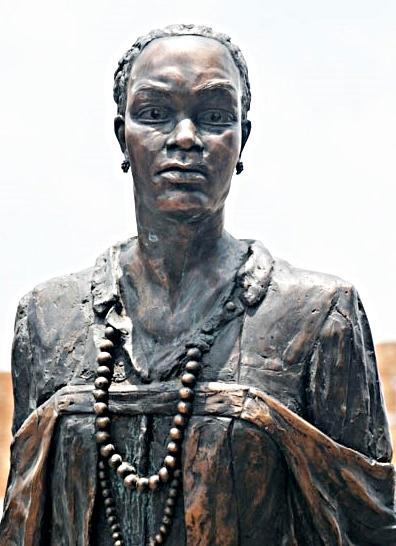
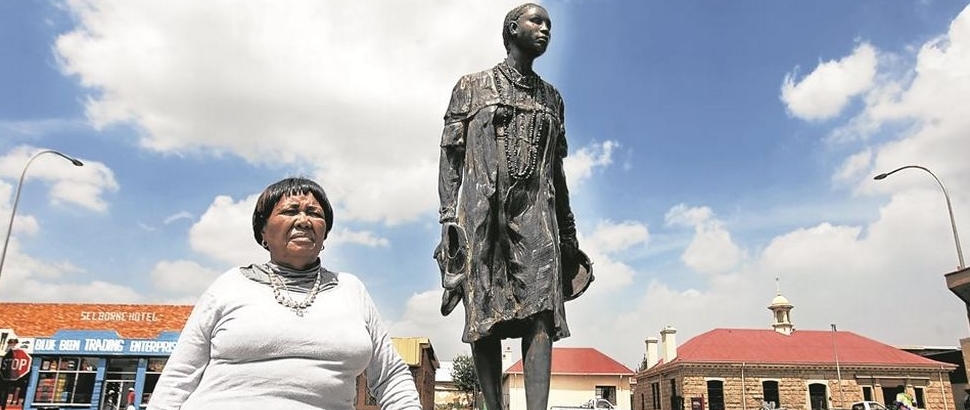
PHOTO: Statue of anti-apartheid activist Nokuthula Simelane, who was tortured and disappeared in 1983 by Security Police, in her home town of Bethal, South Africa. (South Africa House of Memory)

Nokuthula’s case is but one example of hundreds of other cases that have been similarly neglected. The South African Coalition for Transitional Justice (SACTJ) calls on the National Prosecuting Authority (NPA) to honor its obligation to prosecute those cases for which perpetrators have been denied amnesty or failed to apply for amnesty.

Other examples where impunity still prevails includes the brutal murders of the Cradock Four and the PEBCO Three. Although Nokuthula’s case is not a class action on behalf of all victims of outstanding TRC cases, this case is representative of all such incidents where victims remain without closure for crimes that happened decades ago.

Abandoned by Authorities

These legal proceedings explain for the first time why Nokuthula’s case, and the other TRC cases, have been abandoned by the authorities. This is due to the gross political interference in the constitutionally mandated work of the NPA. Such interference constitutes a serious violation of the rule of the law. The Coalition deplores this interference and calls on the government to respect and uphold the independence of the NPA.

This case is also indicative of the almost total disregard by the South African government for the recommendations made by the TRC. To date, very few perpetrators of apartheid-era crimes have been held accountable before the courts. This is despite the TRC handing over approximately 500 missing person cases and 300 other cases for possible prosecution to the NPA, following the completion of the Amnesty Committee’s work. The delays in prosecutions deny victims an important form of reparation – accountability. Another key element is the absence of a victim-centred financial and socio-economic reparations program .

Post-TRC Prosecutions

The lack of adequate reparations and the protracted delays in pursuing post-TRC prosecutions, seriously undermine the TRC’s ground-breaking legacy of reconciliation alongside a conditional amnesty. Indeed, such failures have promoted an ongoing cycle of impunity and effectively introduced a de facto blanket amnesty for all crimes of the past. The failure to pursue cases, such as the torture and disappearance of Nokuthula Simelane, represents a deep betrayal of those who struggled and died to free South Africa. The prospect of justice for Nokuthula Simelane and her family represents an important step towards remedying this situation.

Background to the SACTJ

The SACTJ is an umbrella body of organizations working to advance the rights of victims of past conflicts and to hold the South African government accountable to its obligations. The member organisations are committed to helping secure the rights of victims of apartheid-era human rights violations and raising awareness about these rights. These organisations are Centre for the Study of Violence and Reconciliation (CSVR), Human Rights Media Centre (HRMC), Institute for Justice and Reconciliation (IJR), Khulumani Support Group (KSG), South African History Archive (SAHA) and Trauma Centre for the Survivors of Violence and Torture (TCSVT). The International Center for Transitional Justice (ICTJ) is a friend of the SACTJ. TAP

The AfricaPaper: Refik Hodzic is Director of Communications at the International Center for Transitional Justice (ICTJ) headquartered in New York.

PHOTO: Statue of anti-apartheid activist Nokuthula Simelane, who was tortured and disappeared in 1983 by Security Police, in her home town of Bethal, South Africa. (South Africa House of Memory)
 

Federalism Test For Malawian President Mutharika


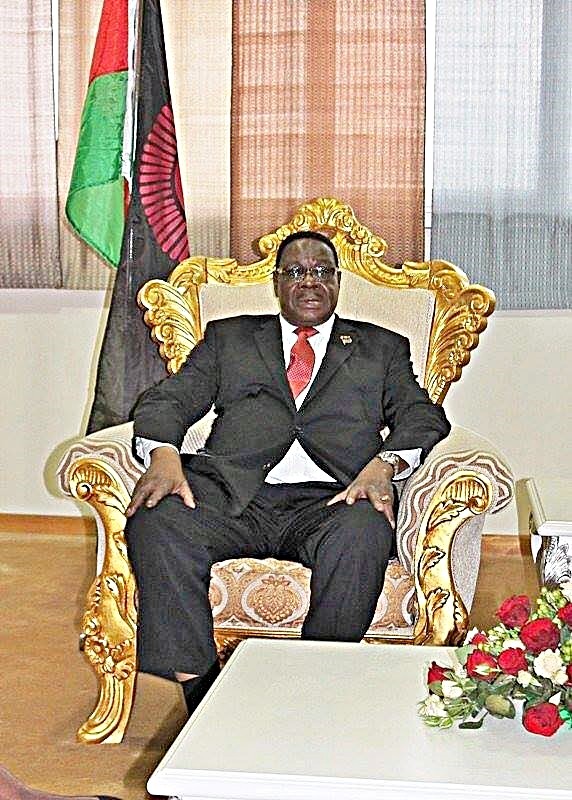
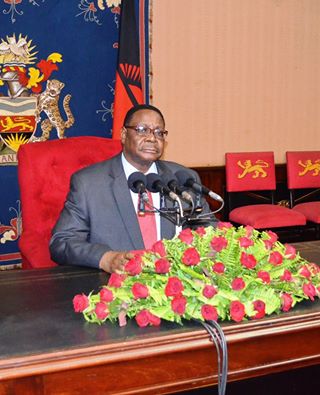
Thousands of Malawians voted for a president to address  their development needs. Malawi President Peter Mutharika. Photo: Henry Mhango/The AfricaPaper
Thousands of Malawians voted for a president to address their development needs. Malawi President Peter Mutharika. Photo: Henry Mhango/The AfricaPaper

By Henry Kijimwana Mhango | The AfricaPaper

Malawi President Peter Mutharika. Photo: Henry Mhango/The AfricaPaper

Lilongwe, Malawi – Malawians are calling President Peter Mutharika to introduce Federal System of government to ensure equitable distribution of development resources . For 20 years now the country has been pursuing a unitary system which critics say, has seen disparities in distribution of the national development.

Winner Takes All

And with a constitutional provision that allows a winner takes it all, President Peter Mutharika of the Democratic Progressive Party (DPP), was during the 20 May 2014 declared winner with 37 percent of the total vote cast, ousting the first woman President Joyce Banda.

“This means about 63 percent of Malawians did not like him, but, with our weak constitution provision that dictates for the first past the post, Mutharika, is now the president for all of us,” says Mandewa Lungu, chairperson of one of the pressure groups fostering the federalism campaign in Malawi.

“This clearly tells us that the unitary system has failed hence we have to try federal system which has enabled South Africa and other countries to develop.”

Federalism Calls

Initially, the calls for government to adopt federalism started with few individuals from the country’s northern region in 2011, following a public outcry that the then president, late Bingu Wa Mutharika, brother to the current president, Peter, was oppressing the region in terms of development.

For instance, Mutharika imposed a quota system policy of selecting students to public colleges; rather, than on merit, after he noted that most learners from the north were dominating public universities through the Ministry of Education’s merit selection system.

“How could students from a small region that contributes very little to the country’s economy dominate public universities across the country?,” questioned then highly charged late Mutharika at a public rally held in the southern region.

He challenged that his government could run the economic affairs of the country without the contribution of the north, and braved to deal with the domination of northern region pupils in public colleges through the quota system.

However, most educationalists, human rights campaigners and development observers warned that Mutharika’s open statements against northerners had potential to cause divisions in the country, and weaken the education system.

“These remarks can influence genocide as it was the case in Rwanda, and we wonder how can the head of state and government utter such hatred remarks at a public rally?, ” wondered Moses Mkandawire, Director of the Church and Society Program of the CCAP Synod of Livingstonia.

“This is not a Malawi we expected when we were fighting for democracy in 1993,” added Mkandawire, whose organization implements good governance, human rights and development programs in the northern region.

Regionalism and Nepotism

Some community members attending a federalism awareness  meeting. Photo: Henry Mhango/The AfricaPaper
Some community members attending a federalism awareness meeting. Photo: Henry Mhango/The AfricaPaper

Several quarters also accused the President of supporting regionalism and nepotism by promoting people from his region and particularly his Lomwe tribe in public offices such as cabinet ministers, chief executives for parastatal institutions and other government departments.

These developments helped to boost calls to adopt federal system for government among people in the north. The campaign did not reach far because most political heavy weights and parliamentarians from the region were in the ruling party, and could not criticize the president for fear of being fired from the party.

Soon after the sudden death of Mutharika in April 2012, almost all the influential politicians and parliamentarians defected to the then Vice President Ms. Joyce Banda’s Peoples’ Party after she ascended to Presidency.

Most of them were awarded with ministerial positions, heads of government departments, and influential positions in the ruling party hence none of them joined the calls for federalism.

However, a historic losing of a sitting president in Malawi in last year’s elections, that were described by many international and local observers as not free and fair, and the coming in of Peter Mutharika as President under his late brother’s Democratic Progressive Party (DPP), has fueled a wave of federalism calls from several quarters in the country.

Pressure Groups and Secessionists

Meanwhile, several pressure groups advocating for the agenda have been formed in the north, parliamentarians from the region and major opposition, Malawi Congress Party especially in the central region have joined the bandwagon, and have taken the agenda to parliament.

Some parliamentarians (MPs) have gone as far as demanding for secession for the region.

“What the northern region need is actually secession,” says Christopher Mzomera Ngwira, one of the vocal MPs from the north. “It is well documented that the north has long been sidelined, deceived and taken for a ride. Hence we have to be independent and set our own development agenda.”

President Mutharika’s administration is trying its best to silence the campaign by bribing local traditional leaders, religious leaders and some influential citizens to speak against the agenda.

For instance, there are strong allegations that the Presidential Advisor on National Unity and Parliamentary Affairs, Mr. Symon Vua Kaunda, is distributing huge sums of taxpayers’ money to the local chiefs, church leaders and youth groups to speak against federalism on public radio and television, that it will trigger civil war.

Bribing Chiefs

Malawi President Peter Mutharika. Thousands of Malawians voted for a president to address their development needs. Photo: Henry Mhango/The AfricaPaper

Paramount Clement Mwakasungula Kyungu, and Walter Gondwe Chikulamayembe who are alleged to have been bribed by the Presidential adviser have said “We shall not allow some people to divide this country, it is wrong to call for the independence of the northern region. Malawi is one, and unity is vital in the socioeconomic development of the country,” they told a gathering in the northern district of Karonga.

However, Kaunda has denied allegations of bribing the chiefs, but said he has been consulting them to get their views on federalism or secession of the region.

Another northern region Parliamentarian Mr. Enock Chihana, whose father Thom Chakufwa Chihana brought multiparty democracy in Malawi, challenges “They may bribe the chiefs but that will not stop people from expressing their views on the matter.”

“The ruling DPP is showing resistance to adopt the system; but, let me challenge them that the federal system will be implemented since this government will not go beyond 2019,” Chihana added.

President Mutharika, who has for so long been asking for contact and dialogue with his government critics, has asked for a fair public debate on whether the country should adopt federalism.

“It is legitimate thing that people must be free to debate issues as long as they are doing it honestly and within the confines of the law,” said Mutharika at a public rally held in the northern region’s Mzuzu city. “Let me reiterate my belief in one nation, one Malawi. Some people want to break this country.”

Proportional Representation

Emerging reports indicate that Mr. Mutharika in 2006, then Professor at Washington University School of Law in USA, also proposed federalism and proportional representation in the country as two possible ways to do away with concerns of regional marginalization in Malawi.

Addressing the national constitutional review conference in the capital, Lilongwe, held from 28 to 31 March 2006, titled ‘Towards a more manageable constitution,’ Mutharika who presented a case on federal system of government, used the Nigerian government.

He said the government successfully resolved the problems that were created by the existence of its three regions at the time of its independence in 1960 into what are now 36 states and one federal territory.

“While the initial decision to abolish the regions led to war, Nigeria is now a much more unified and stable country,” said Mutharika.

Joseph Chunga, political commentator at the University of Malawi’s Chancellor College, says though the President proposed federalism some years ago, he would not be comfortable to stand for it now given the power he has now as head of state.

“A federal system of government would not offer him much control of the state than in the current unitary state,” says Chunga. TAP


‘Mothers can decide who lives or dies…’ says Pastor Jubril


IN PRAISE OF GOD In this month’s religion section, The AfricaPaper’s Associate Editor focuses on the Universal Christian Ministries in St. Paul. IN PRAISE OF GOD brings news from different churches and other religious groups each month. Please read: ‘Mothers can decide who lives or dies…’

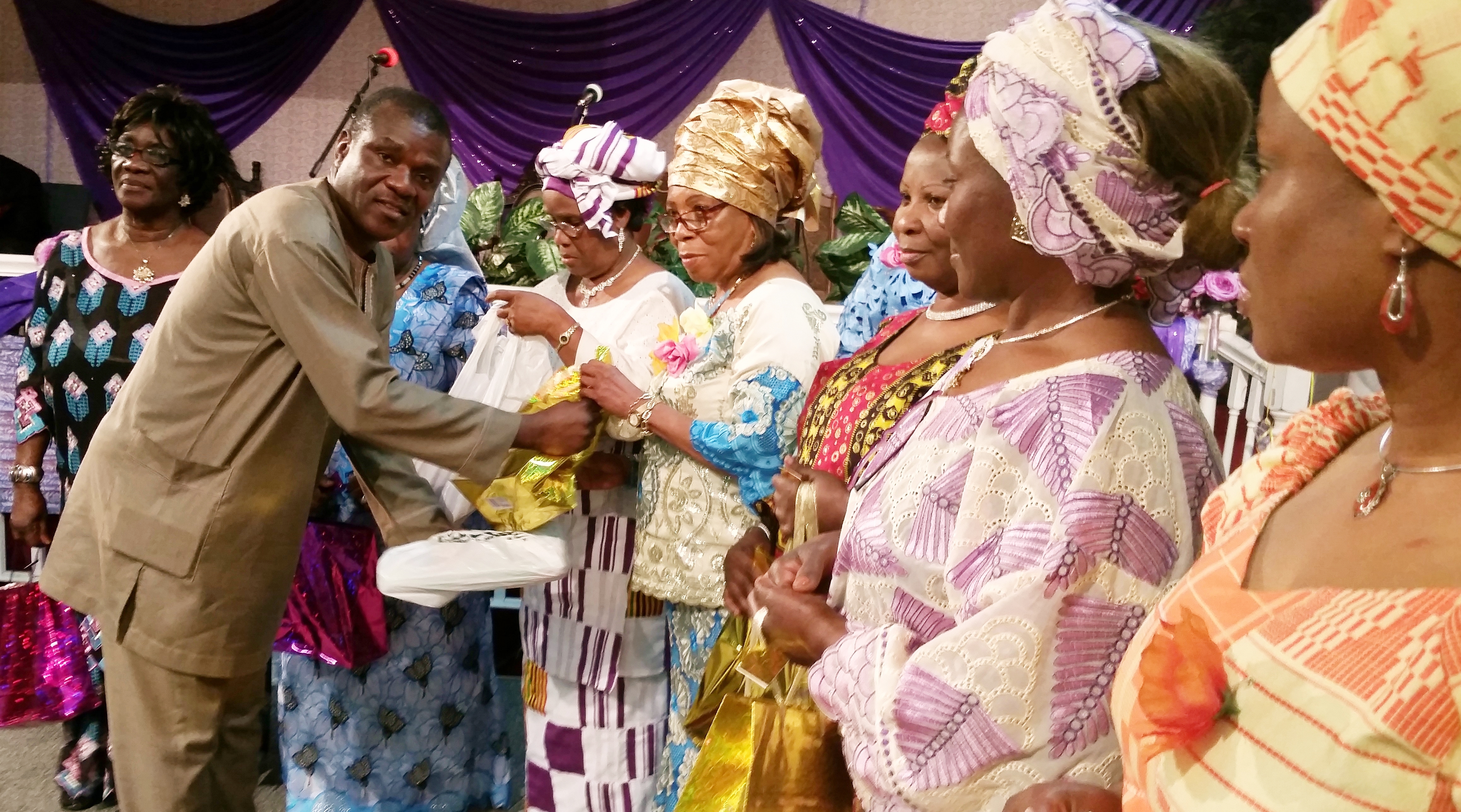
UCM Women. Photo: James Fasuekoi/The AfricaPaper

By James Kokulo Fasuekoi | The AfricaPaper

St. Paul, Minn – African evangelist, Prophet Olushula Fatai Jubril is urging youths to obey their parents, especially mothers whom he said, are the ones who carry life in their hands.

Live or Die

He spoke of the power all mothers have including the decision to perform abortion on a pregnancy after conception. But fortunately, he said, pointing to congregants, “Our mothers took a wise decision to carry us for nine months and that’s why we are alive today.”

He continued: “Mothers are the ones who decide whether we live or die.” Like countless abortion performed each year, Jubril told young Christians, “Your mother too could have aborted the pregnancy at the time you were conceived and no one would have questioned her.”

Instead, he told everyone in the audience to show appreciation for his mother for making that “ultimate decision” to bring him forth into this world and also care for them as they grew up.

Honor and Obey

The Universal Christian Ministries’ (UCM) overseer pastor decried the attitude of most of today’s young African teens, especially for those blessed to come to America, who looked down upon their mothers and no longer care to show respect for them. He advised them to honor and obey their mothers so that the Father, God, can reward and prolong the days of their lives.

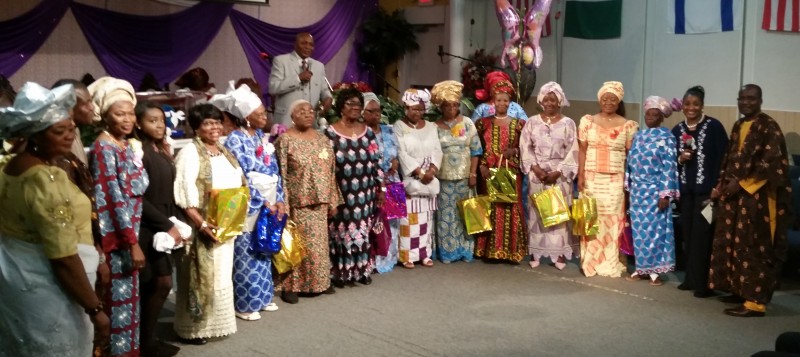
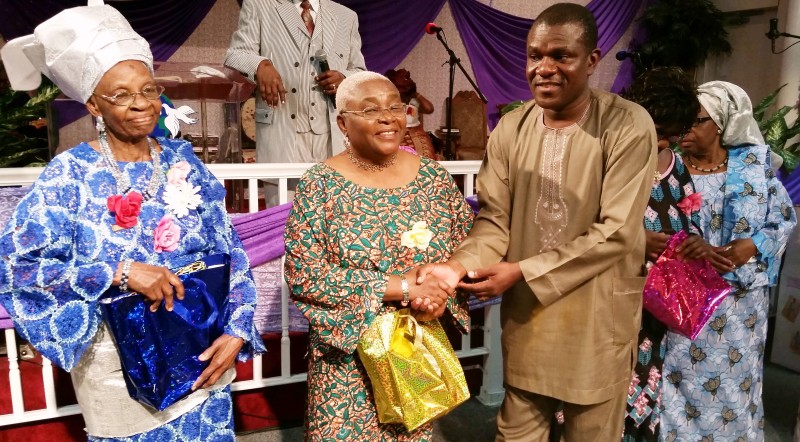
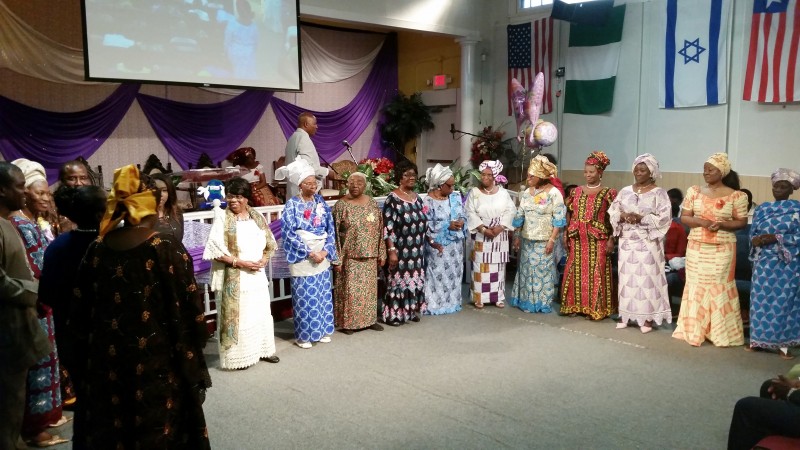
Prophet Jubril made these remarks on a Sunday, during a special Mother’s Day worship ceremony held at the UCM, 997 Raymond Avenue Saint Paul, Minn. Several dozen women, mostly elderly, of the church were showered with gifts and praises.

Pastor Goke Odujole, the church’s new president for the Men’s Ministry presented the gifts, accompanied by a purse with an unspecified amount of dollars for the church’s Women’s Ministry. Sis. Kim David, head of the Women’s Ministry, received the token. The scene was filled with excitement and most of the women clad in gorgeous African attires.

Both men wished the women God’s abundance favor and long life and indicated the gestures were meant to show the depth of how much the men of the church appreciate women, as well as sacrifices made daily by mothers in general for the upkeep of their homes and families.

Culture and Tradition

Pastor Goke Odujole the UCM Women. Photo: James Fasuekoi/The AfricaPaper

The UMC, a pentecostal denomination, has the tradition of honoring women at all times throughout the year, and Mother’s Day is one of them. The church also celebrate culture, and its membership comprised of about 23 nationalities, largely, people of American, East and West African descent.

The church’s worshipers are encouraged to adhere to straight Christian doctrines, based on the teachings of the Messiah, Jesus Christ, which require a Christian to abstain from premarital sexual affairs, pay regular tithes and offerings, and live a prayerful life as Jesus taught his disciples during his earthly ministry.

New Church

The UCM of St. Paul, began its evangelistic ministry in the Robbinsdale, Minn., home of Prophet Jubril and Prophetess Mary Jubril, 15 years ago while the couple worked in local group-homes at the time to fund the church’s operation from their personal savings.

As the church grew in membership, the couple moved it from their Robbinsdale basement to its current Raymond Avenue location. With hundreds coming in weekly to go through deliverance of all kinds, the present location seems small to hold the crowd and that has caused the church’s general overseer and officials to negotiate for a bigger space in Fridley, Minnesota.

UCM  Women. Photo: James Fasuekoi/The AfricaPaper
UCM Women. Photo: James Fasuekoi/The AfricaPaper

As of Sunday, May 17, the church ministry had raised $230, 029.54 towards the building of a 5 million dollars mega church project it undertook last year. When constructed, the new church will accommodate over 5,000 worshipers at a time and will also contain several smaller auditoriums designed to host men’s, women’s and youth ministries, including recreations.

Foreign Missions

Concerning the church’s foreign missions, UCM’s performance has been quite impressive in post-war Sierra Leone in the last few years, with branches now established in the capital, Freetown, and as far as Makeni, Bo, and Kenema, regions far into the interior of the country where the main religion had been Islam.

UCM Mission in Sierra Leone, according to Prophet Jubril, who led a high-powered delegation to the country late last year, currently sponsors feeding and educational programs for over 200 elementary students living in some of the towns and cities mentioned earlier. The church is under pressure to take in more.

Larger numbers of beneficiaries of UCM’s present operations there are teens who lost their parents to the country’s decade long brutal war in the 1990s, characterized by amputations carried out by Revolutionary United Front (RUF) rebels and Armed Forces Revolutionary Council (AFRC) military junta.

Postcard and Photographs

Close to 200 colored postcard and photographs of the beneficiaries have been displayed on television screen for the congregation to view, amid call by Pastor Jubril for church members to volunteer and provide sponsorship for some of the kids for just a couple of dollars each month.

Prior to establishing missions in Sierra Leone, The UCM overseer and his wife, Prophetess Mary Jubril, had attempted opening similar feeding and educational programs for war orphans in war torn Liberia where nearly 14 years of bloody civil war left thousands of young teenagers without parents. However, the church’s kind gesture, he said was abused by a Liberian couple (that initially attended UCM) whom he said, diverted to their personal use, instruments, as well as funding he gave them to purchase land for the project.

In a conversation with The AfricaPaper lately, Pastor Jubril said he lived in Liberia prior to the civil wars, displayed a land deed for the proposed UCM site, located near the 72 military barracks in Paynesville City. At the end of their tour in Sierra Leone last year, Jubril said he and his wife visited Liberia and went to the land site in the 72 nd area to check but couldn’t recognized the spot.

Volunteers

He said that an administrator at a local Minnesota hospital he had shared his project ideas with had even volunteered to donate a container load of hospital beds and other supplies for the Liberia Project, with a promise to help pay more than half of the cost of the total shipment of the goods to the country in case the church lacks funding to do so.

But the hardest moment for him, he told The AfricaPaper, was how he would go about telling the humanitarian of his disappointment regarding what happened to the purchased land and first sets of church instruments shipped to Liberia.

The Jubril said he loved Liberia and had no intention to belittle Liberians, who make up a considerable number of UCM’s congregation but that he decided to talk about it as a way to clear his mind as his church works towards what he said the Lord has asked him to do for the country.

The woman said to be involved in the UCM land purchased deal in Liberia is reported to have died few years ago upon the couple’s return to the US.

Women’s Convention

An elder of UCMPastor Goke Odujole the UCM Women. Photo: James Fasuekoi/The AfricaPaper
An elder of UCM. Photo: James Fasuekoi/The AfricaPaper

Meanwhile, the annual UCM 2015 Women Convention being staged by the church’s women’s wing known as “Women Of Destiny,” is slated for Friday, May 22 through Sunday May 24 at the church’s edifice in St. Paul. The theme for this year’s convention is: The Secret You Don’t Know (Psalms 25:14), and the speaker will be Pastor Joyce Byrant. Prophetess Mary Jubril is chief host.

Sponsors

In case you want to volunteer a sponsorship for one of UCM’s kids in Sierra Leone, or plan to donate towards the church’s building fund, you can call 651-917-5001, or visit www.ucmsc.org. TAP

The AfricaPaper: James Kokulo Fasuekoi is Associate Editor for The AfricaPaper. He can be reached at: fasu@fbg.358.myftpupload.com

Malawi’s Top Journalist, BBC, Associated Press Correspondent Dies

0


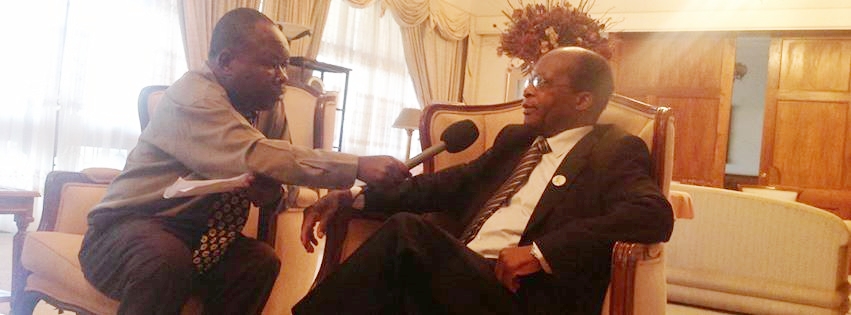
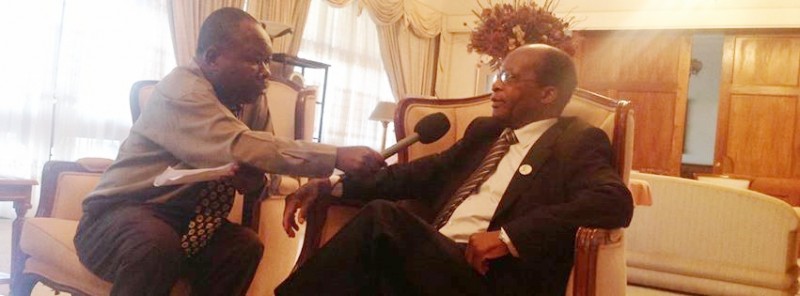
Photo: Tenthani Interviewing Fomer Leader of opposition John Ungapake Tembo. Henry M./The AfricaPaper

By Henry K Mhango | The AfricaPaper

Blantyre, Malawi – Shock, disbelief, pain, grief, confusion, and devastation has locked the Malawi’s media fraternity following an accidental death of the country’s prominent freelance journalist and media freedom activist Raphael Tenthani.

Visit

Tentahni 43, who until his death was a correspondent for the BBC and Associated Press died in a car crash on Saturday on his way back to Blantyre from Tcheu district in the central region where he was visiting his mother.

His two children Raymond and Raphael, and his pall, Amos Phiri….. Who was driving the vehicle survived the accident with injuries and they are all admitted at Queen Elizabeth Central Hospital in Blantyre.

Respected

He was a respected columnist (the Muckraker) for the local Sunday Newspaper, Nyasa Times Malawi online publication and the Associated Press News Agency. His column used to give constructive criticisms on policy, governance and other issues.

Meanwhile, Malawi President Mutharika said Tenthani’s death is a big loss to the media fraternity and the entire nation.

“I will remember him as a man of immense talent, who courageously sought ways of making a positive contribution to the discourse of a national unity and development,” says Mr Mutharika in a press statement released on Sunday.

He added “Through his Muckraking column in the Sunday Times, Mr. Tenthani liked to argue with charm and delight. He will long be remembered for his eloquence, humor, warmth, progressive ideals, intellectual heft, toughness and concerns on issues of national unity.”

Awards

As a journalist for both local and international media, Tenthani received a number of awards in 2010 which include the Media Institute of Southern Africa – MISA Best Columnist, Associated Press Millennium Development Goals (MGDs) award by the United Nations, and the Nyasa Times Human Rights and Democracy award.

Journalists and Media institutions across Africa and abroad have also expressed their grief to the untimely death of Tenthani.

In a statement released Monday, the Media Institute of Southern Africa – MISA- says Malawi has lost an instrumental defender of media freedom and freedom of expression.

“Tenthani will not only be remembered by many as a senior journalist and editor, but one of the most respected and inspirational writers in Malawi. In Tenthani’s death, Malawi’s media has lost a pillar of media freedom, a prolific writer, a mentor and a friendly colleague,” said MISA Malawi Chairperson Mr. Thom Khanje.

Shocked

On its part, the BBC says it is deeply shocked with its correspondent death.

“We’ve learned with great shock and sadness that our long serving Malawi Correspondent Raphael Tenthani has died. Raphael was a brilliant writer and journalist and reported not just for the BBC, but for the Associated Press. He was also a popular newspaper columnist at home. He will be greatly missed by the team here at BBC” says the BBC statement.

1n 2010, he was attacked by the ruling Democratic Progressive Party Spokesperson Mr Nicholas Dausi (head of the National Intelligence Bureau) for writing a muckraking column that was sympathetic to the then ostracized Vice President Joyce Banda, who was facing political Isolation from President Bingu wa Mutharika, Brother to the incumbent President.

In 2005, he reported in a news article that the President had moved out of the presidential palace due to the fear of ghost.

Target

In his article, he sourced the president’s religious affairs adviser, the Rev Malani Mtonga,who had reported that President Bingu wa Mutharika had left the presidential palace because he was hearing “strange noises” and “felt a strange presence hanging around him” at night.

Rev. Mtonga denied making that statement to the press but another independent renowned journalist, Mabvuto Banda had reported the same story in the Nation newspaper.

Both Mr. Tenthani and Mabvuto Banda were arrested at their homes in Blantyre and detained at police headquarters in Lilongwe. He was going to be charged with “publishing false information that is likely to cause [a] breach of peace”.

During the Bingu wa Mutharika administration, he became to target of attacks from the government due to his criticism of Mutharika and freedom of Press.

Tenthani’s house was ransacked by unknown assailant in 2011, following the Malawi protests against the Mutharika administration.

Critical

At the height of Mutharika’s crackdown on the press, He was indirectly named in a Press Release to the nation for being critical dated March 9, 2012, which aimed at suppressing the press.

The Press release referred to journalists in the country that referred to Mutharika as “Big Kahuna,”a pejorative nickname that made reference to the President increasingly dictatorial turn.

Tenthani denied that this was being used to refer to Mutharika pejoratively. TAP

The AfricaPaper: Based in Malawi, Henry writes for The AfricaPaper. He has worked for various media organizations including the state Malawi News Agency, the Big Issue Malawi Magazine, Capital Radio Malawi, and International Network of Street News Service (UK). His work has also been published by The Guardian (UK). He covers politics, economy, human rights, environment and development for The AfricaPaper.

Pierre Collins’ Pretrial Court Date Set for July 7

1


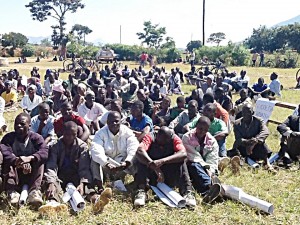
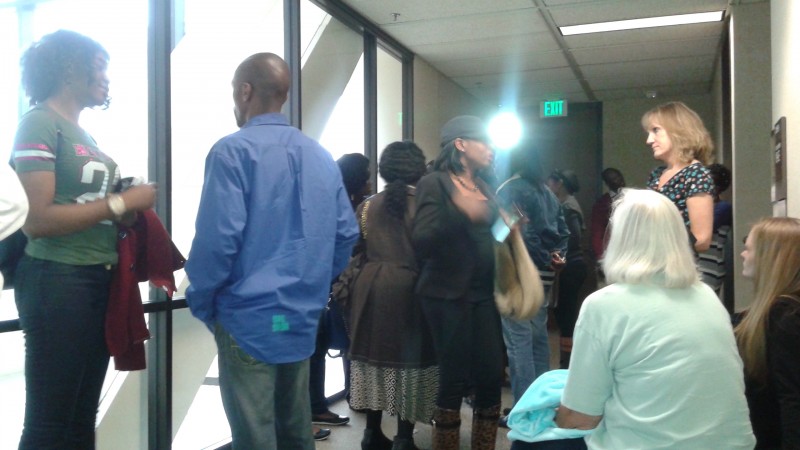
Attendees at Collins' Court Hearing
Attendees at Collins’ Court Hearing

By Issa Mansaray and James Fasuekoi | The AfricaPaper

Minneapolis, Minn – Pierre Barlee Collins, 33 accused of killing his 10-year old son Barway Edwin Collins, appeared before presiding Judge Tanya M. Bransford at the Hennepin County Court on Thursday afternoon. Collins, in a brown undershirt, and an orange jumpsuit, entered the courtroom flanked by two wardens as he made his way and sat between his two public defenders.

Case Documents

Assistant State Public Defender Shawn Webb said they received Collins’ case documents mid last week on Tuesday, and still have to go through them. The documents reportedly contained in a 67 GB hard drive include soft photos, surveillance videos, cell phone records, emails and evidence related to Collins’ murder case. Greg Scanlan, lead attorney for Collins, told reporters that “it is everything law enforcement has compiled.” The defense team is expecting more evidence from law enforcement agencies next week.

Two Motions

Scanlan, tendered two motions. First he requested for more time from Judge Bransford in order to study the documents received on Tuesday last week.

He also requested that authorities cease direct contact and communication with Collins about his case without legal representation, and not to discuss his case outside court. Assistant Hennepin County Attorney Amy Sweasy agreed to both motions.

Judge Bransford granted the delay for the pretrial hearing set for July 7. The court couldn’t hold the number of people that showed up for the hearing.

Court Dynamics

Though there were few more empty chairs in the courtroom, Yamah, Collins’ wife was the only one in the audience standing. She stepped out for few minutes as Collins marched into the courtroom. She stood silently throughout the brief ten-minute hearing; with hands folded, she darted her eyes across the courtroom, then glanced toward Collins.

The atmosphere was quiet. Pierre Collins entered without looking at anyone directly inside the courtroom. He briefly responded to Scanlan’s murmuring, and sat down listening quietly to the court proceedings.

Few steps behind Collins, sat Louise Karluah, mother of late Barway Edwin Collins. When Collins entered the courtroom, Karluah looked up, shook her head and burst into tears. Throughout the ten-minutes court deliberation, Karluah stared afar. It seems this was the first time seeing Collins seated between Webb and Scanlan from a stepping distance in front of her, since many years ago from West Africa.

Hallway Protest

Many people present stood outside the court hallway. Protesters from the Liberian Community display placards reading “Justice for Barway.” Yamah left, before her husband was taken to the Hennepin County Jail.

Barway Collins’s disappeared on March 18, this year and was later found dead along the Mississippi River. About three weeks later, Collins who still denies that he has nothing to do with his son’s death was arrested and charged with second-degree murder.

The case heavily relied on his cell phone tracking of his whereabouts on the day Barway disappeared. The case has also attracted both national and international attention. TAP