Home Blog Page 11

Who Killed Chris Msando? An Unfinished Investigation in Kenya


By Henry Owino | The AfricaPaper

Nairobi, Kenya – The murderers of Christopher Chege Msando, a former employee of the Independent Electoral Boundary Commission (IEBC), who served as ICT Manager has not been established to date, one year later.

The Password

Msando was the Information, Communication and Technology (ICT) Manager, whose expertise in the commission, was key in the elections results. Prior to his death, Msando appeared on KTN television interview on a Wednesday evening, where he assured Kenyans that no votes would be rigged.

“We are well prepared and it is all systems go. No rigging, no hacking and no manipulations of votes this time,” Msando assured. “Everything is set in a way that only one person have the password that controls the entire streaming of results.”
A t is shown in the water.
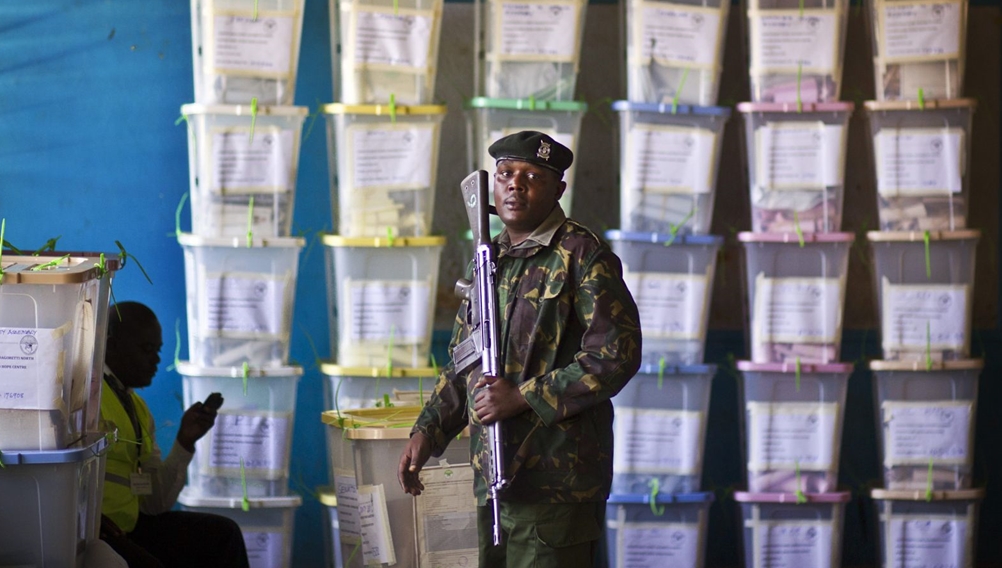
Police guarding ballot boxes after voting exercise. Photo: File

Not knowing that this statement on national television of assuring the public of free, fair and credible elections, would cost his life, Msando was confidence of his roles. However, this revelation unveiled secrets and a section of power hungry individuals, began Msando’s death plan immediately he left the television station.

Bungoma Senator Moses Wetangula is on record sensationally linking the Jubilee government with the brutal murder of IEBC’s ICT manager, Msando. Wetangula boldly claimed the government’s intent was to steal a password from the slain IT guru to ease stealing of votes.

Heinous Act

Wetangula added that the manner in which Msando was killed, was so bad that it indicated there was a government hand behind the heinous act.

“The slain ICT manager was charged with securing the votes so that the results are not tampered with by anybody even his colleagues,” Wetangula said.

According to Inspector General of Police, Joseph Boinnet, prior to his torture and murder, Msando had informed Central Police Station over threats to his life in 2016. Boinnet said the slain IEBC ICT manager told police he received abusive and threatening text messages from several unknown people.

“Msando did indeed reported to Central Police station on Dec. 22, 2016 that during the month of October, some unknown persons using three cell phone numbers sent him abusive and threatening messages,” Boinnet disclosed.

Boinnet said Msando was referred to the DCIO Central but declined to record a statement, saying he would do it later. Msando reportedly went missing on a Friday, Aug. 2, 2017. He was found dead a day later in Kikuyu and his body taken to City Mortuary.

Disappeared Mysteriously
A t is shown in the water.
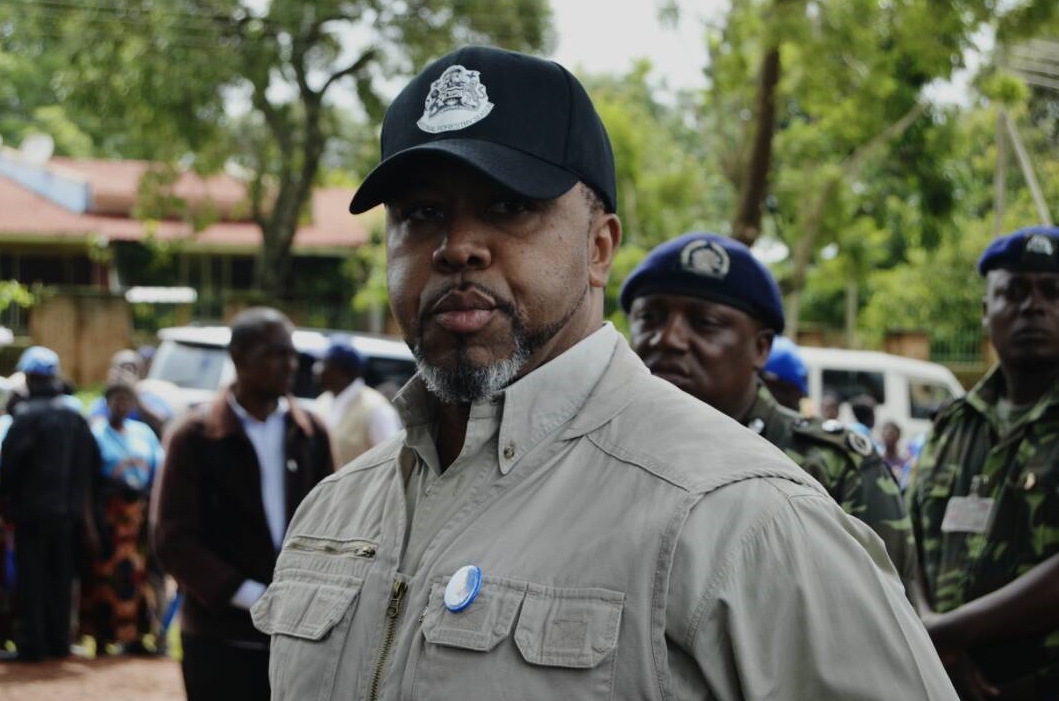
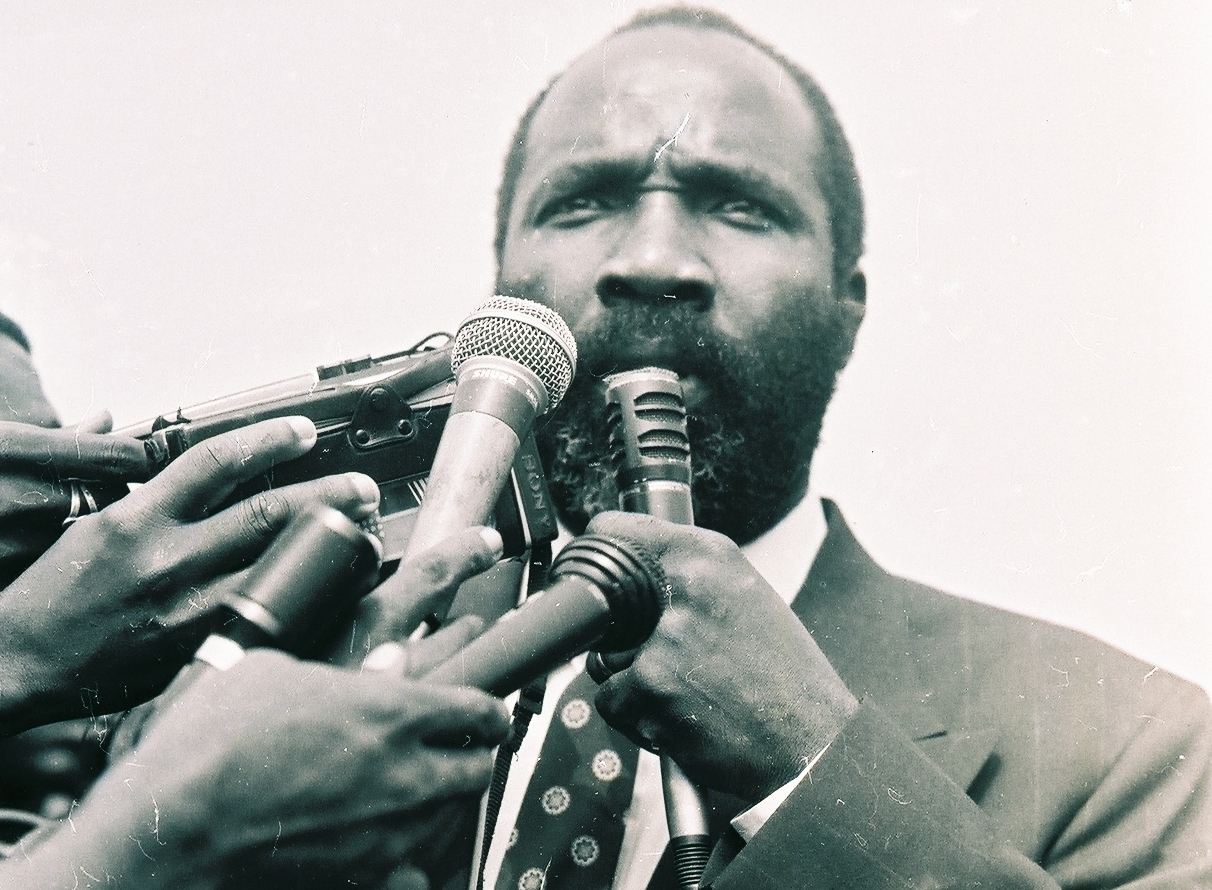
Late Chris Msando in a past function.

The deceased was killed alongside his friend, a 21 year-old female medical student and their bodies found dumped at Muguga Forest in Kikuyu, Kiambu county. Detectives who investigated the death of Msando, discovered another unidentified woman who they thought could have play a crucial role in his death.

The police later identified the woman who was captured by CCTV security cameras before the ICT manager was killed. Sources within the police said the woman was different from Maryanne Carol Ngumbu aged 21, whose body was found with that of Msando and who had had drinks with him before they both disappeared mysteriously.

The IEBC leadership however claimed the electoral systems were safe and that no password was stolen. The commission however to date have not blame anyone for their colleague’s death.

“We have high hope that international investigators have taken over investigations on the death of the IEBC employee. This will bear fruits and killers brought to book for justice to take its course,” Wafula Chebukati, IEBC chairman said.

Never Conclusive

The murder of Msando sparked heated debates in the country with countless people calling for an immediate probe. The only weakness with Kenya’s investigations is that they are never conclusive to tangible results. Anytime the media stops reporting on an issue and focus on other stories, the whole country also turns away immediately hence many incomplete murder cases report.

According to post-mortem results, the late Msando was killed by strangling, with his body bearing serious marks of torture. Although, the arrest of Msando’s alleged killers in Uganda came barely a week after he was murdered. The Kenyan government is still mute over the arrest.
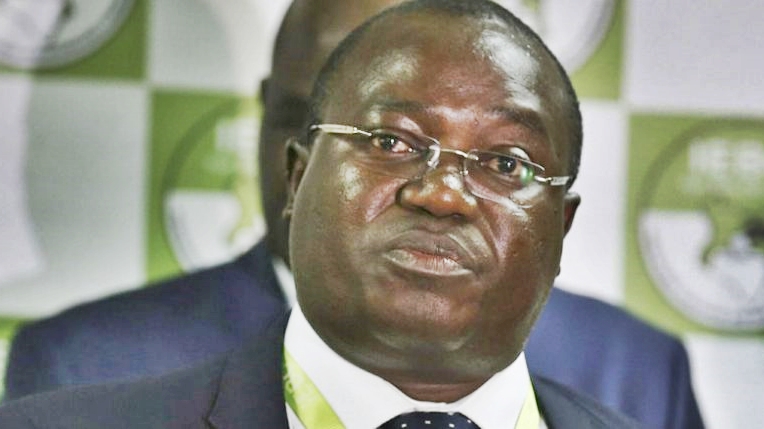
A t is shown in the water.
Chris Msando. Photo by courtesy

Msando’s Killers

More investigations so far discloses that a car believed to have been used by people who killed Chris Msando had been intercepted in Uganda. The car had Ugandan number plates as a decoy – Ugandan Flying squad officers also arrested the driver and two other people who are believed to be Msando’s killers who were trying to flee.

The nabbed car was a black Toyota Fortuner with Ugandan number plates which is believed to have been used by Msando’s killers.

“We learnt from media news bulletins that Ugandan Flying Squad officers intercepted the vehicle with the supposed killers of Msando who were trying to flee. The vehicle was nabbed at Pabbo Sub-county, Amuru District in northern Uganda, on Friday, Aug. 4, afternoon,” Vitalis Wamukhoya said.

According to the Daily Monitor Uganda Newspaper, the Ugandan flying squad officers arrested three suspects, a Kenyan national and two Ugandans who were detained. The suspects identified as Mathew Butia, a Kenyan national, Joseph Okongo and Moses Goloba both Ugandans.

Number Plates and Killer Politican(s)

The suspects are said to have entered Uganda through Malaba border post in Tororo District and were heading to Juba, the capital of South Sudan. Surprisingly, the Ugandan flying squad officers also found a Kenyan number plate inside the vehicle that used Ugandan registration plates as decoy. No arrest were made.

“The Kenyan number plate found in the vehicle is registered to a popular Kenyan politician whose name remain anonymous for our cordial regional relationship,” a top Ugandan police officer said.

Despite all these leading clues, Msando’s killers are still unknown to date. It seems the investigations might have been leading to untouchables. The autopsy done by Chief Government Pathologist, Johansen Oduor, revealed that the IEBC data centre and infrastructure boss Msando, was strangled.

“Msando died from strangulation and he also had incisions on his right arm, but the rest of the body was intact.” Oduor said.

The body was found stripped to the underwear and officers wanted to get a hold of the clothes he wore that night to extract DNA material which are helpful in tracking down the killers.
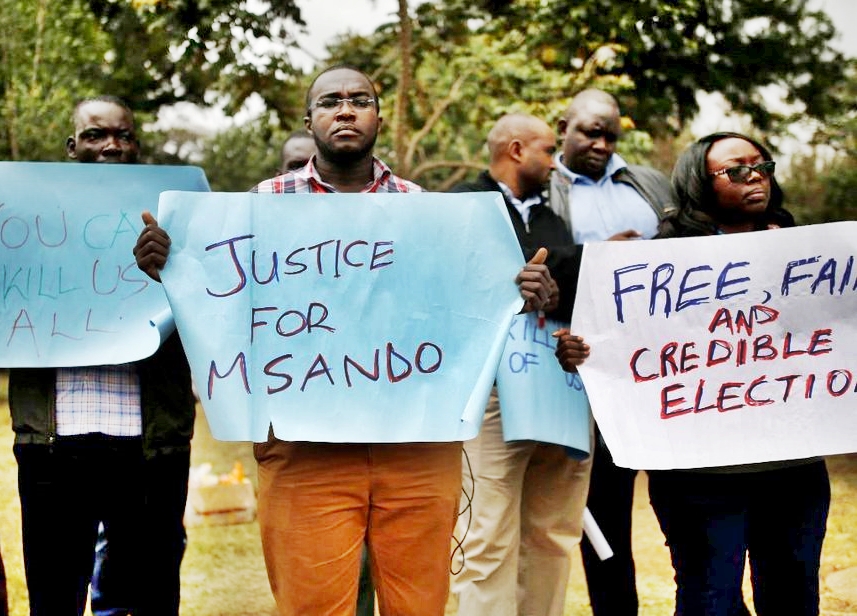
A t is shown in the water.
Residents from late Msando village carry placards in protest of unfinished probe investigations.

The postmortem examination at Lee Funeral Home in Nairobi, which was conducted between 12pm and 4pm, was also witnessed by a private pathologist and some of Mr. Msando’s relatives.

Justice to Prevail

The ICT manager’s elder brother Peter Msando, said the family have not been informed about anything regarding Msando’s killers. They are only patiently waiting for the killers to be found for justice to prevail.

“We have now waited for a year without any feedback from government. We now coming to terms and leaves everything to Almighty to intervene and maked His judgement,” Peter Msando lamented.

Chief government pathologist Johansen Oduor said: “He died from strangulation and he also had incisions on his right arm, but the rest of the body was intact.

Msando was buried at his rural home in Lifunga K’Obiero Village, Siaya County, on Saturday, Aug. 19, 2017. Born on Dec. 28, 1972 at Mulago Hospital, Kampala, Uganda; Msando was not a politician.

According to Interior Cabinet Secretary, Fred Matiang’i some of the members of the investigation team are still following other angles which are key in finalizing the investigations.

“Investigations are ongoing with different teams] to get to the bottom of the matter for instance, clothes and other personal belongings, including mobile phones, which could help unravel the murder, have not been traced,” Matiang’i clarified.

Matiang’i emphasized that death of such high magnitude can not be hurried over or neither details disclose anyhow. But, media shall inform the public about the final outcome.

|TAP| Africa’s Newspaper of Record

Ex-US Diplomats to Take Stand in Woewiyu Trial Today


Two former ambassadors expected to testify on events surrounding the deaths of five American nuns and other events. One will likely testify to being personally detained by rebel forces. Later journalists and victim-witnesses will take the stand as well.

By Carmen Russell & James Fasuekoi | The AfricaPaper

Philadelphia, PA – Former United States ambassadors to Liberia, William Twaddell and James K. Bishop, are among scores of US officials expected to take the stand in the highly anticipated trial of Jucontee Thomas “Smith” Woewiyu. They will be joining victims, at least five journalists, and other eyewitnesses to the atrocities committed over the span of Liberia’s decade of civil war.

The United States Department of Justice has charged Woewiyu, a Liberian and alleged warlord, of immigration fraud, perjury and war crimes committed in a foreign land. The starts today at the US Eastern District Court in Philadelphia, Penn.

Trial

Thomas Woewiyu is former spokesperson and defense minister for the defunct National Patriotic Front of Liberia (NPFL). The NPFL was a guerrilla group that launched a brutal war on Dec. 24, 1989 in an attempt to unseat Samuel Doe’s government. In the chaos that ensued, an estimated 300,000 people perished, in addition to a conservatively estimated 700,000 who were forced to flee the country at the peak of the war due to brutality and starvation.

Woewiyu has been charged with seven counts of perjury, two counts of trying to fraudulently obtain US citizenship and several counts of fraud and making false statements. He faces a maximum sentence of over a century behind bars. The trial comes less than a year when a jury found another Liberian man guilty of similar crimes he and his rebel troops committed in Liberia during the war.

Connections

A t is shown in the water.
Jucontee Thomas Woewiyu as a NPFL Spokesman. Photo (c) The AfricaPaper/James K. Fasuekoi

Woewiyu isn’t standing trial for his alleged gross human rights abuses carried out by his NPFL rebel forces. Nevertheless, the government prosecution team is keen on using his apparent connections to and activities with the rebel NPFL during the war period in order to prove that he lied under oath which is a violation of US immigration law.

In pursuit of that strategy, the two former US envoys to Liberia, Twaddell and, Bishop would step forward to demonstrate how each individually encountered this former and influential rebel leader during their respective ternues as diplomat in the West African country.

Both Bishop and Twaddell served as US ambassadors to Liberia at separate periods prior to and during the first civil war. Bishop was ambassador when the war broke out Dec. 24, 1989 and was succeeded by Twaddell. Testimony from both men are intended primarily to establish a factual link between the accused and the rebel NPFL.

A 70-page “Amended Trial Memorandum” entered into evidence in United States v. Jucontee Thomas Woewiyu details the interactions each had with Woewiyu who then served as NPFL defense minister and spokesperson.

Detained

The document states that Twaddell “was detained for three to four hours once at an NPFL checkpoint, and was freed only after ECOMOG command contacted the NPFL checkpoint,” an experience he’s expected to share while on the stand.

The former US envoy who made occasional visits to Taylor’s “Greater Liberia” – described by many as “Taylor Land” – would also testify to “the NPFL’s use of child soldiers, known as the SBU or Small Boys Unit, in [carrying out] extrajudicial killings, and how many child soldiers had AK-47s and were high on drugs.”

Twaddell was then serving as US Ambassador at the time five American Catholic nuns were killed near their Gardnersville Covenant when Taylor launched “Operation Octopus,” his front’s second major military offensive to seize the capital which would not be his last. After the death of the sisters, Amb. Twaddell contacted the NPFL/NPRAG hairachery, states the document, and requested the remains of the nuns for repatriation to the US, something he may also testify to.

There were two phrases of the war in Liberia — the first running between 1989 and 1997 and the second between 1999 and 2003. Both, according to the country’s Truth and Reconciliation Commission, were characterized by extensive gross human rights violation by all sides leading to the deaths of an estimated 300,000 people.

Meeting

For his part, Amb. Bishop is expected to testify how, in early 1990, he and other officials of the State Department met in Washington D.C. with Woewiyu, who the memo observed, “was representing the NPFL as Minister of Defense.”

A t is shown in the water.
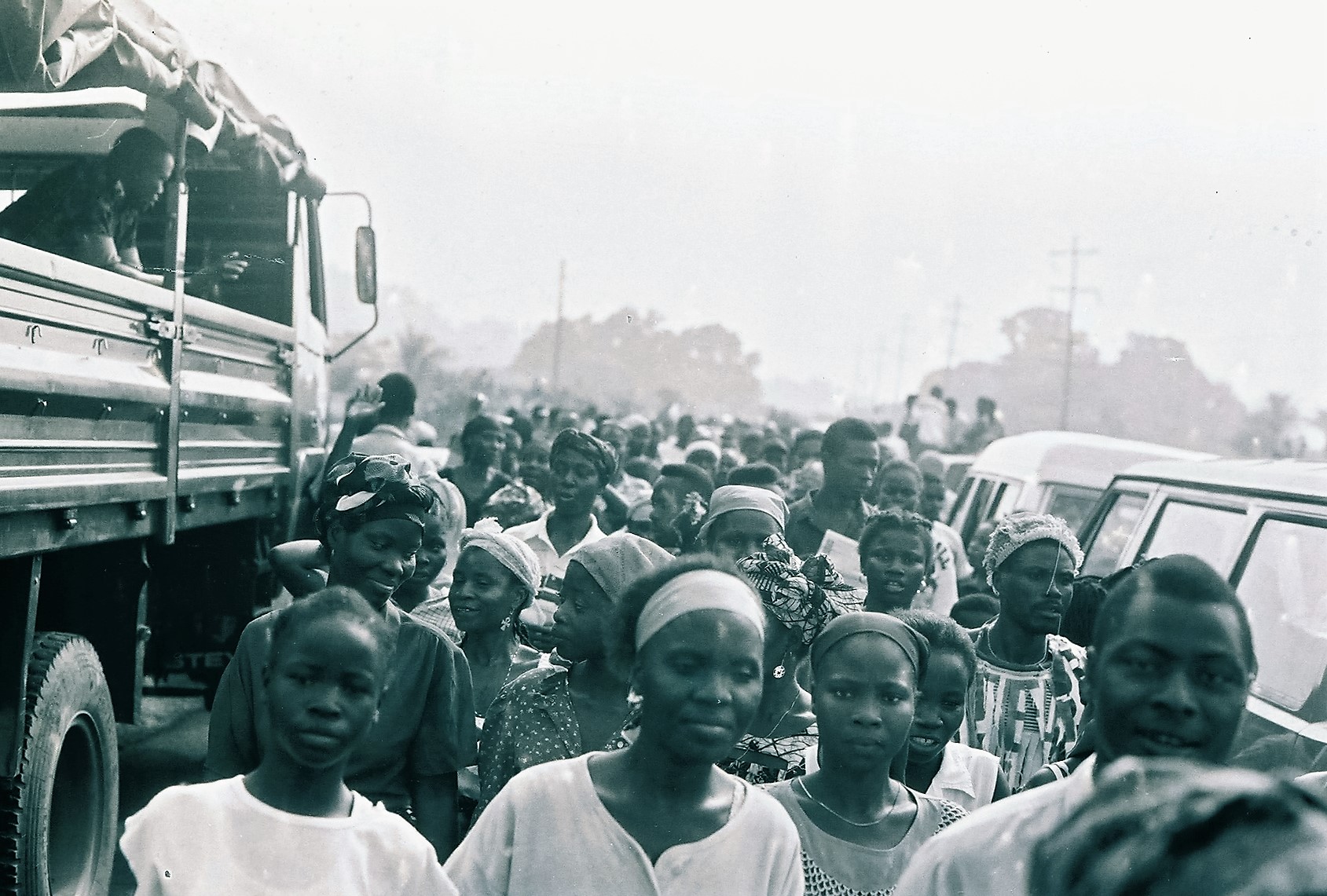
Thousands of Liberians trapped in then “Greater Liberia” flocked into the Mount Barclay buffer zone on the outskirts of Monrovia in 1991. They await the official re-opening of the main Monrovia Kakata-Gbarnga Highways that connects the rest of the country to the capital. While some came eager to enter Monrovia to search for lost relatives separated the NPFL-AFL war in its second year. Many took advantage of this single act by the faction to seek respite from harassment and brutality by the NPFL. Others escaped the faction’s territories known as “Taylor Land.” Former NPFL spokesperson, later Defense Minister Jucontee Thomas Woewiyu led a high-powered NPFL delegation to this elaborate event, accompanied by other NPFL officials including lawyer Francis Garlawolo, NPFL chief of staff Gen. Isaac Musa and the front’s information minister, Joseph Wolobah Mulbah(not in this photograph). Photo: James K. Fasuekoi/The AfricaPaper

He may also elaborate on a cable Bishop had wired to former Assistant Secretary of State for African Affairs Herman Cohen on June 29, 1990, in which he’s quoted as saying “Taylor’s spokesperson Tom Woewiyu claimed today that they are within the [Monrovia] city limits. Woewiyu said Taylor will leave the Sierra Leone road open so Doe’s loyalists could escape.”

Other US State Department employees listed to give testimony are: Gerald S. Rose, former Deputy Chief of Mission; Thomas J. White, former Economic Officer; John R. Savage, former Economic and Consular Officer and Patrick Hatchett, a representative of the US State Department’s Office of Authentication.

Ambushed

Journalists expected to testify at Woewiyu trial include BBC’s Elizabeth Blunt who watched the INPFL-AFL gunbattle at the country’s largest seaport in the capital in which President Doe was capture September 09, 1990 and tortured to death. Renowned British freelance reporter for The Guardian, Mark Huband is also to testify.

Traveling to Liberia’s iron ore region, Yekepa, on a freight train from the coastal city Buchanan, Huband was captured along with a staff member of the LAMCO mining company, Alexander Kulu, when their train ran into an NPFL ambush. Huband was taken to a rebel military camp near the Ivorian border where he met guerrilla leader Charles Taylor while Kulu, a Krahn from slain President Doe’s tribe, was taken away.

Huband was released by Taylor into the hands of Ivorian authorities following diplomatic intervention by the British Government.

Persecution

Mark Stucke is an independent journalist and, like French photojournalist Patrick Robert, he documented human rights abuses by the front while embedded with the NPFL. Stucke traveled through dozens of checkpoints some “decorated with [human] skulls on sticks and manned by child soldiers, some with AK-47s.”

A t is shown in the water.
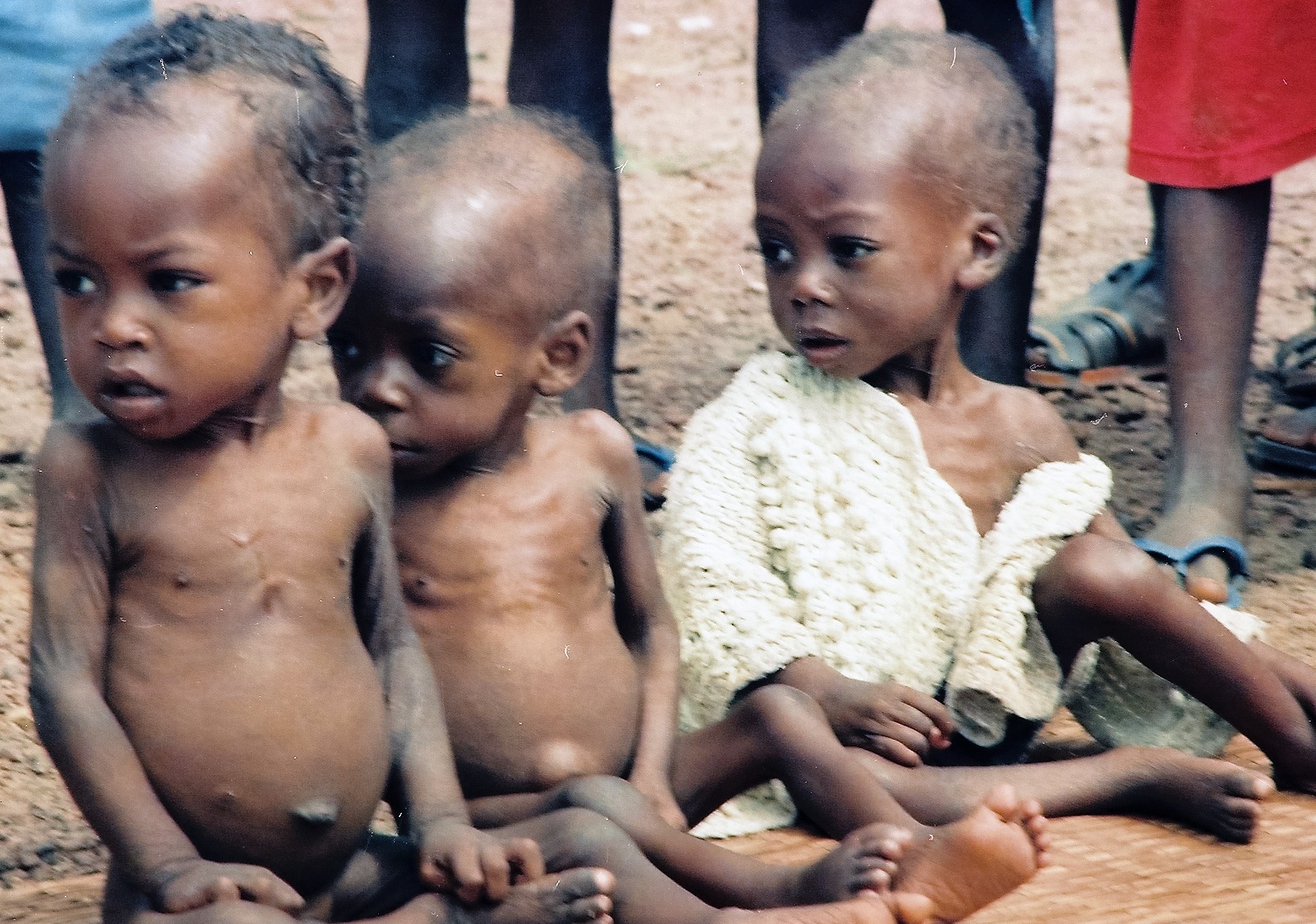
Staving children during the war. Woewiyu as NPFL spokesman says it never happened. Photo: James K. Fasuekoi/The AfricaPaper

Robert, on the other hand “observed persecutions carried out by them [NPFL] and photographed some of the same,” records the document. They will speak about their experiences traveling with NPFL rebels and perhaps, widespread human rights abuses they observed.

The prosecution intends to also bring in several prominent Liberian journalists who covered the brutal wars especially from 1989 to 1997, to provide testimony. However, it has made it clear via a footnote “The government may seek leave, under the appropriate circumstances, to add witnesses in the future.”

[Editor’s Note: The lead author of this piece is one of the Liberian journalists expected to testify in the case against Woewiyu. James Kokulo Fasuekoi was serving as a photojournalist for a number of major outlets including the AP during the civil strife in Liberia. As a result, the prosecution has called on him to verify his reporting, particularly photos from that time that have been entered into evidence.]

World Copyright

The AfricaPaper, USA, 2018. All rights reserved. Photos and text may not be published, broadcast, rewritten, redistributed or used in any form without the written permission of The AfricaPaper, and AIIR. We take legal action for any copyright infringement.

|TAP| Africa’s Newspaper of Record

Malawi’s Vice President Resigns as Protest Against Corruption and Poor Governance


Vice President dumps ruling party and cities high level corruption, nepotism and poor governance. The AfricaPaper correspondent witnesses it and sends this report.

By Henry Kijimwana Mhango | The AfricaPaper

Lilongwe, Malawi – In a dramatic turn of events, Malawi’s Vice President Dr. Saulo’s Chilima has resigned from the ruling party just nine months before next year’s May elections. Chilima cites high level corruption, nepotism, poor governance and regionalism by the party’s elite as major factors leading to his resignation.

A t is shown in the water.
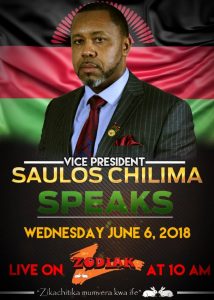
Chilima Speaks. Photo: Henry K. Mhango/The AfricaPaper

Warning

Chilima took a tough political position at a press conference held in the capital Lilongwe, Wednesday, June 6, drawing the attention of millions of Malawians monitoring his live broadcast speech on private radio stations stating reasons for his resignation.

In almost seventy percent of his speech, he warned Malawians against keeping quiet when their leaders are getting things wrong. Reminding them that they fought for the freedom and democracy from the colonial government and against one party rule.

One of the Poorest

“My fellow Malawians, despite all the sacrifices many Malawians continue to make, our nation remains one of the poorest in the world. Our communities are being ravaged by curable diseases, corruption is worsening and with it comes the widening of the gap between the rich and the poor,” said Chilima to the nation.

“Our public education system is scumbling forcing those with a little bit of money to send their children to private schools; the connected and the powerful continue to plunder our nation’s wealth as our hospitals lack basic medicines and medical equipment due to lack of funding,” the former Vice President lamented.

Threats to Communities

He also expressed great concern over lack of seriousness to deal with the country’s sub consistent agriculture, unbridled population and environmental degradation which he said are greatly threatening communities.

“Nepotism, cronyism, and regionalism are rampant as opportunities are a reserve for those with tribal connections. We are in this generation failing to harness the immense potential of the country. Instead we have decided to destroy what others built,” said Chilima, “We have decided to think for only ourselves and not for our country; we have decided to look out for our tribesmen and not our compatriots.”

Path to Power

A t is shown in the water.
VP Chilima at a Public Function. Photo: Henry Mhango/The AfricaPaper

Chilima was elected under the Democratic Progressive Party (DPP) along with President Peter Mutharika in 2014, but the two only enjoyed cordial relationship for a short time as Mutharika allegedly, under wrong advice and influence from his close allies started sidelining him.

It is alleged that a number of cabinet ministers and some ruling party’s senior officials were eying for the Vice President position ahead of the general elections hence they could misguide the president to find their way in.

Chilima, 45, had been patient until recent events surrounding calls by some parliamentarians and officials within the party that he should contest for presidency at the party’s conversion and take over from the 77 year old Mutharika, whom the group says fails to deliver due to old age.

Attacks and Violence

The calls were characterised by violence perpetrated against Chilima sympathisers with some of the DPP supporters blocking and insulting the party’s diehards’ parliamentarians Patricia Kaliati and Noel Masangwi from attending an official opening of parliament by the president on accusations that the two were advocating for Chilima’s presidency.

During the fracas, the irate supporters also attacked one of the leading media houses “Timed Group” which seem to be very critical of the current leadership.

Another pro Chilima parliamentarian, Bon Kalindo was petrol-bombed in his car by alleged violent government supporters. The pro Mutharika supporters went as far as disturbing the parliament session in the presence of the president. A development which was heavily condemned by then VP Chilima, Speaker of Parliament, civil society organizations and some donor countries.

Leadership Change

Despite having started with few party members, the calls for Chilima to take over from Mutharika have been attracting several quarters across the country. Recently, the Roman Catholic Church with more than six million followers out of the country’s 17 million population also urged him to hear calls by the people to stand for presidency.

Former first Lady Callista Mutharika, wife of former President late Bingu wa Mutharika, [elder brother to the incumbent President] sparked the leadership change debate when she publicly endorsed Chilima to replace his brother in law, whom she claimed was too old to run for another five year term.

“Honourable members, just to let you know that I, Callista Bingu wa Mutharika, is one member that is supporting and encouraging Honourable Saulos Chilima to represent DPP as a presidential candidate in 2019,” Callista Mutharika declared.

“Right now, I hear certain quarters are unhappy with my move and [are] planning to finish me [off]. Meanwhile, help me watch and see how they will finish me [off]. Chilima [is] our hope for a better Malawi,” she added.

Chilima’s Leadership Style

Chilima is just a new comer on the political scene, but his self-styled leadership seem to have inspired different quarters. Many say he is a decent leader who does not tolerate nonsense, dirty politics, corruption, greed, and tribalism. That he seem to have a clear vision of transforming socio-economic development in the one of the poorest countries in the world.

“He is a quite politician, and does not comment or support nonsense even by his government. He is the only politician who can criticize his own government’s bad leadership tendencies,” said a political and governance commentator from a public university, but prefers not to be named.

“Chilima urges the people to stop clapping or supporting baseless facts by their leaders, he has always been asking voters to hold their leaders accountable. He calls resistance by the elites as character assassination.”

Ruling Party Shocked

The calls for Chilima to replace Mutharika sent shock waves to the ruling party authorities, and were hampered by heavy resistance from the DPP elite who have waged a character assassination war and threats against those advocating for Chilima presidency.

Few weeks ago, a high number of the party’s parliamentarians and cabinet ministers organised a meeting where they endorsed Mutharika as their next elections torch bearer.

Even President Mutharika had been running whistle stop tours to lobby members’ support at the convention. During the president’s meetings Secretary General of the party, Grezeder Wa Jeffrey attacked the former first lady, accusing her of killing her husband, former president Bingu Wa Mutharika, who died of heart attack in 2012.

The party’s regional governor for the Southern region, Charles Mchacha, has also been calling parliamentarian Patricia Kaliati a “fool woman” for supporting Chilima.

Both have challenged they don’t regret for making such “character assassination” remarks despite a public demand for the two to withdraw the remarks demeaning the women. The first lady has since sued the Secretary General demanding 500 million Malawi Kwacha (about $685) for defamation.

New Political Era

Political analysts say the vice president’s resignation creates a new era in the country’s political events as his decision is likely to spoil the image of President Mutharika and his ruling party which is fighting for re-election next year.

“Chilima’s attack on DPP government on corruption, nepotism, cronyism, regionalism should be cause for worry as it has eroded the image of the DPP,” said Ernest Thindwa, political analyst from Chancellor College.

The country’s main opposition parties are capitalising on the lack of intra-party democracy in the ruling party to win support ahead of the elections. |TAP| Africa’s Newspaper of Record

Chasing Liberian War Criminals. Who’s Next?


By James Kokulo Fasuekoi & Issa Mansaray | The AfricaPaper

The US Eastern District Court of Pennsylvania has become the venue for prosecuting African war criminals, particularly those involved in the Liberian civil conflict. On Monday, the court takes up the trial of Jucontee Thomas Woewiyu, the rebel spokesman for Charles Taylor’s NatIonal Patriot Front of Liberia (NPFL).

Woewiyu is accused of having committed numerous war crimes both as Minister of Defence under Taylor’s regime and as key actor in the rebel NPFL. In addition, the U.S. government has also charged Woewiyu with seven counts of perjury, two counts of trying to fraudulently obtain U.S. citizenship, and multiple counts of fraud and making false statements.

U.S. Court Role

Authorities continue to hunt West African nation’s war criminals to face trial – one after another – for crimes ranging from fraud and to war crimes. In April, the Pennsylvania court sentenced Mohammed Jabbateh – aka “Gen. Jungle Jabbah” – to 30 years in a federal prison, a jail sentence considered far overdue by many war crime experts and Liberian war victims interviewed by The AfricaPaper.

Numerous War Crimes

In Liberia, impunity remains the order of the day. Not a single person from the more than eight warring factions has been tried or held responsible for the mass killings and war crimes after two seperate brutal wars in 1989 and 2003. The administration of current President George Weah has yet to address the issue.

Woewiyu, nevertheless, isn’t standing trial for alleged war crimes he and his forces may have committed on Liberian soils because of US judicial technicality. In order to prosecute him, US authorities are now using his reported attempt at trying to “obtain” US immigration benefits via fraudulent means.

(The AfricaPaper will be following Woewiyu’s case as it proceeds. Check the website for future coverage.)

Precedent? Thirty Years for Jabbah

A Liberian refugee in Pennsylvania, Jabateh had fled persecution and likely death at the hands of invading rebels in his country during a brutal civil war in the 1990s. In April, he found himself sentenced to 30 years on perjury and immigration fraud charges for concealing his horrific war history while seeking asylum in America.

Jabateh, 51, was also found guilty by a jury last October in Philadelphia after a two-week trial for subjecting a large group of Liberians, mainly civilians, including women, to inhumane acts – acts as horrific as those he and his family fled from. While he wasn’t directly charged for crimes against humanity they “factored” into Judge Paul Diamond’s sentencing.

Judge Diamond went beyond normal US immigration guidelines to give a harsher punishment due to what he called “the egregiousness of [Jabateh’s] lies” as a way to deter would-be war criminals from taking advantage of the US immigration system.

Prosecution lawyers informed The AfricaPaper that Jabateh, a former rebel commander for the United Liberation Movement for Democracy in Liberia (ULIMO), and ULIMO-K, also known by the nom-de-guerre “Gen. Jungle Jabbah,” received one of the highest prison terms ever given to someone convicted of perjury and immigration fraud in recent US history.

Nothing to Say

Sentencing took place at the U.S. District Court for the Eastern District of Pennsylvania where Jabateh stood trial last year. Jabateh had been convicted on two counts, each of fraud in immigration documents and perjury under federal indictment. In a packed courtroom were Jabateh’s own relatives including one of his sons.

Asked by Judge Paul S. Diamond to make a statement, the ex-rebel fighter responded with an unassuming demeanor, “Your honor, I have nothing to say.”

After his arrest in April 2016, federal prosecutors accused Jabateh of either personally committing or ordering his ULIMO-K fighters to carry out mass murder, torture, public rape, sexual enslavement of women, enslavement of noncombatant civilians, recruitment of child soldiers, execution of POWs, forced labor, mutilation of corpses and killings motivated by race, culture, religion, ethnic, or political differences.

Violent Defendant

“This defendant committed acts of such violence and depravity that they are almost beyond belief,” U.S. Attorney William M. McSwain stated, according to a press statement released by the US Attorney’s office of the Eastern District of Pennsylvania. “This man is responsible for atrocities that will ripple for generations in Liberia.”

In court, Jabbah’s past came to haunt him as he faced victims of his brutality, and whose relatives he killed without mercy. Ironically, Liberia appears not ready to set up a War Crimes Court despite the desire by many Liberians at home and abroad to finally address the country’s dark history.

“In one instance, Jabateh ordered the heart of a captive be cooked and fed to his fighters. In another, fighters under the defendant’s command murdered a villager, removed his heart and ordered the the town chief’s wife to cook it. Jabbateh later had the town chief himself murdered and ordered his widow to cook her husband’s heart,” said the statement.

Jabateh’s Cooks and Slaves

During Jabateh’s trial that lasted two weeks, about two dozen witnesses, 17 of whom were victims, accused the ex-guerrilla commander of commandeering them from their home towns and villages in Liberia’s hinterland at gunpoint and enslaving them in the jungles of western Liberia.

Some of the women testified that their tasks included cooking food for Jabateh and his men and having sex with him at his urging. The men said they were sent out in the fields to work daily farming and digging gold and diamond to fuel his war. Two of Liberia’s award-winning photojournalists who covered the brutal wars of the 90s were also among witnesses.

“Old Scores” for Pagano

Jabateh’s lawyer, Greg Pagano, denied all allegations against his client – and even when a victim-witness with a missing ear stepped forward and testified that it was Jabateh who ordered his rebels to cut off his ear, Pagano still disputed the allegation and requested government prosecutors to provide “forensic evidence.”

“These are tall tales of enemies settling old scores, not because they had personal experiences with him but because of what group he’s identified with,” he told the court.

In court, witnesses and Jabateh’s victims suggested that Pagano should take a trip to Liberia to define his “old score” defence for a brutal client.

However, in an opening statement to the court Thursday moments before sentencing, Judge Diamond lauded witnesses for their testimonies in the trial.

[Editor’s Note: The judge also mentioned as “helpful” the testimony of the author of this article, a former war journalist whose war-photographs of the accused, and his later encounter with Jabateh in Philadelphia years ago, helped the judge confirm that the court had the right suspect. You can read more about the government’s subpoena, James Kokulo Fasuekoi’s war reporting, and his testimony here.]

Trials Abroad

A t is shown in the water.
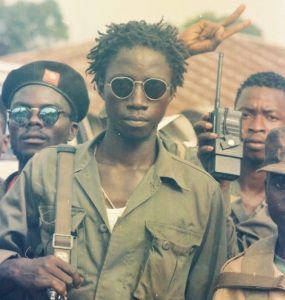
Mohammed Jabateh at the ULIMO headquarters in Tubmamburg, 1993. Photo: (c) James Fasuekoi/ The AfricaPaper

Jabateh is not the only ULIMO-K rebel commander arrested and tried abroad in recent years for alleged war crimes in the civil war. Alieu Kosiah, a tribesman of Jabateh and former rebel ULIMO-K commander in upper Lofa County region is still on trial in Switzerland and his case is currently awaiting adjudication. Kosiah was arrested in Bern by Swiss authorities for similar war crimes charges in 2014.

Kosiah is accused of persecuting, terrorizing and killing civilians who differed in ethnic, religious and cultural beliefs to Kosiah’s and his rebel group, particularly members of the Lorma tribe.

It is estimated that about 300,000 Liberian and foreign nationals were killed in both wars, the first occurring between 1989 and 1997 and the second between 1999 to 2003. None of the warlords or foot soldiers of former warring factions responsible for numerous genocides that spanned across the country have been arrested or tried in Liberia itself, including the national army.

Rise of Jabateh and ULIMO

Jabateh’s ULIMO rebel group was the first resistance movement to emerge from Sierra Leone to battle against Charles Taylor’s Gio and Manor-dominated NPFL which singled out Krahns, Sarpos, and later Mandingos during the initial stages of the war for persecution and murder.

Soon, the faction made inroads and fought its way through western Liberia to the Po River near Liberia’s capital, having seized this strategic timber, gold and diamond rich region that had largely help fueled Taylor’s war for years.

The victory at the frontlines came with some serious political challenges at the front left unresolved. The greed for political power and unmerited wealth among the faction’s leaders led to an internal brutal armed conflict thereby resulting into a split of the faction between the two dominant ethnic groups – Mandingo and Krahn, with ULIMO-K (for Kromah) and ULIMO-J (for Johnson).

In the chaos that ensued starting from Monrovia and spreading across the faction’s controlled territories, each side lost a significant number of civilians and fighters alike to the other in the battle. While fighting lasted for a mere few months, the results very devastating, causing hundreds, especially women and children, to die of hunger and malnutrition.

Warring Factions

After their intertribal war and having been dislodged from the faction’s Tubmanburg headquarters, Jabateh’s ULIMO-K declared Voinjama, Lofa County (located along the border with Guinea) as ULIMO-K’s new headquarters.

ULIMO and ULIMO-K which were Liberia’s second largest warring factions in the war is listed in a Truth and Reconciliation Report (TRC) as being responsible for a series of atrocities in Bomi, Cape Mount, Bong and Lofa counties during the war. ULIMO-K is reported to have subjected most of Lofa County’s eight to nine ethnic groups, mainly the rival Lorma to severe persecution and killing.

ULIMO-J, on the other hand, similarly joined the Liberia Peace Council (LPC) of George Boley in southeast Liberia to settle scores with rival tribes such as Grebo and Kru over longstanding animosity related to land and cultural issues.

Jungle Jabbah is the first Liberian warlord to be tried and sentenced in America. Chuckie Taylor, an American and son of former warlord and president Charles Taylor, was sentenced in 2009 for crimes against humanity during the war in neighboring Sierra Leone and in Liberia.

Who is Next?

The trial of Jucontee Thomas Woewiyu, former NPFL’s defense spokesperson who faces immigration fraud charges much like Jabateh, starts Monday.

During a series of press interviews during the course of the trial, some of Jabateh’s relatives made insinuations that many of the witnesses brought in from Liberia to provide testimony in October volunteered to testify only because they were hopeful they could stay and work in the US after the trial – a way to escape the hardship at home in Liberia.

However, The AfricaPaper staff directly confirmed that all witnesses left the United States for Liberia, immediately after their respective testimonies, reporting also verified by the government prosecution office in Philadelphia in late October. |TAP|

World Copyright

The AfricaPaper, USA, 2018. All rights reserved. Photos and text may not be published, broadcast, rewritten, redistributed or used in any form without the written permission of The AfricaPaper, and AIIR. We take legal action for any copyright infringement.

|TAP| Africa’s Newspaper of Record

TOGOLESE CELEBRATE INDEPENDENCE IN MIDWEST AMERICA


By Ezekiel K. Agbossou | The AfricaPaper

Minneapolis, Minn – The Togolese diaspora gathered in Minnesota, Midwest North America to commemorate their country’s independence on April 28. A joyful moment for the community to meet, greet and interact with each other. Togo, a West African nation is boarded in the west by Ghana, north by Burkina Faso and in the east by Benin. Togo is full of hospitality, great people, kind-hearted, diverse and inclusive. The country gained its independence on April 27, 1960 from France with the help of the United Nations after several years under France’s colonial rule following World War II.

Night of Unity

In celebrating Togo’s 58th anniversary of independence, the community showcased its cultural attires and entertainment. Music, food, dances, a short documentary about Togo and its first Presidential State visit to USA in 1960, capped with a silent auction. And then, it was time for Diversity Expressions – where community members came out and welcomed each other in their local language.

A t is shown in the water.
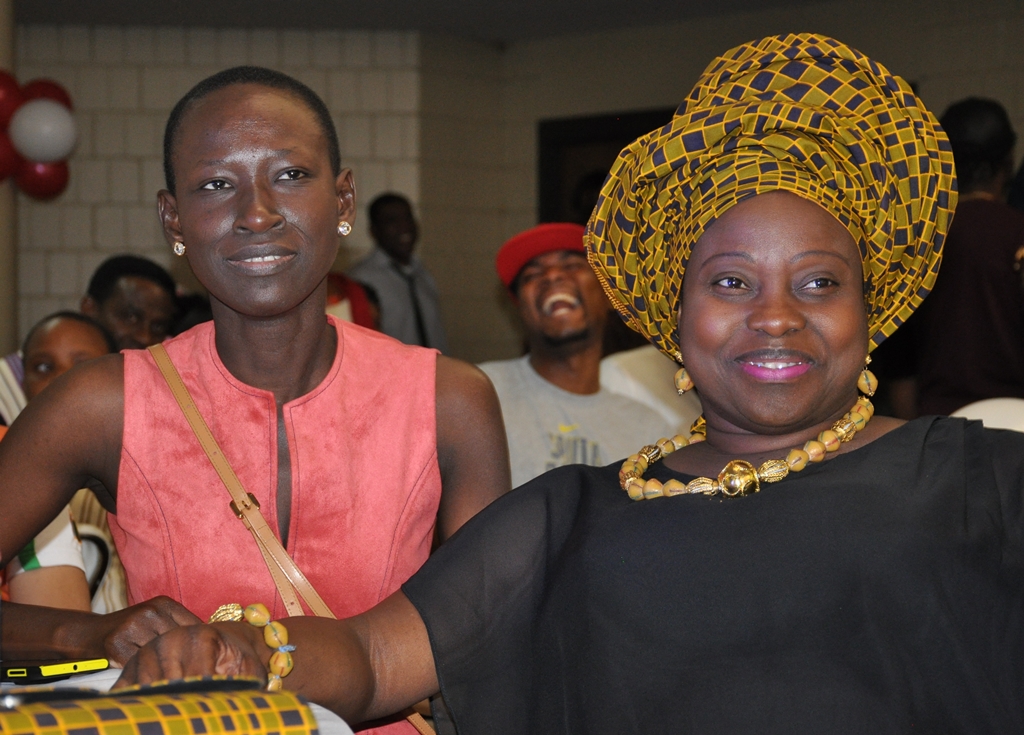
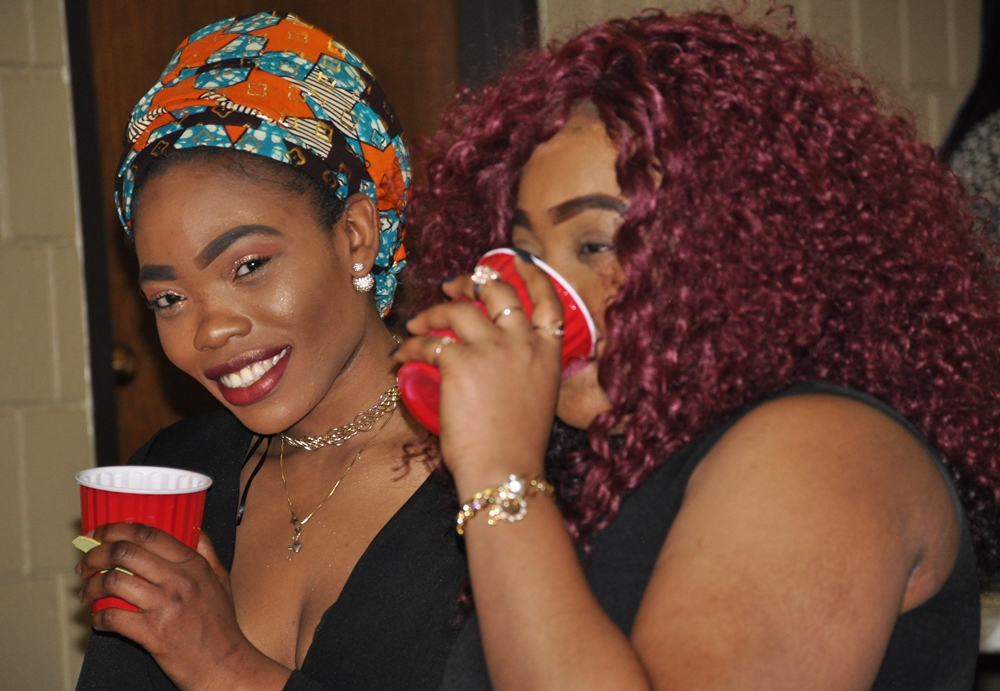
Attendees at the party. Photo: Issa Mansaray/The AfricaPaper

“The party was able to connect the Togolese people. People we don’t usually see in the community came out,” said Koffi Junior Aouga, Advisor of DFMN. “It was a night of UNITY.”

Languages and Music

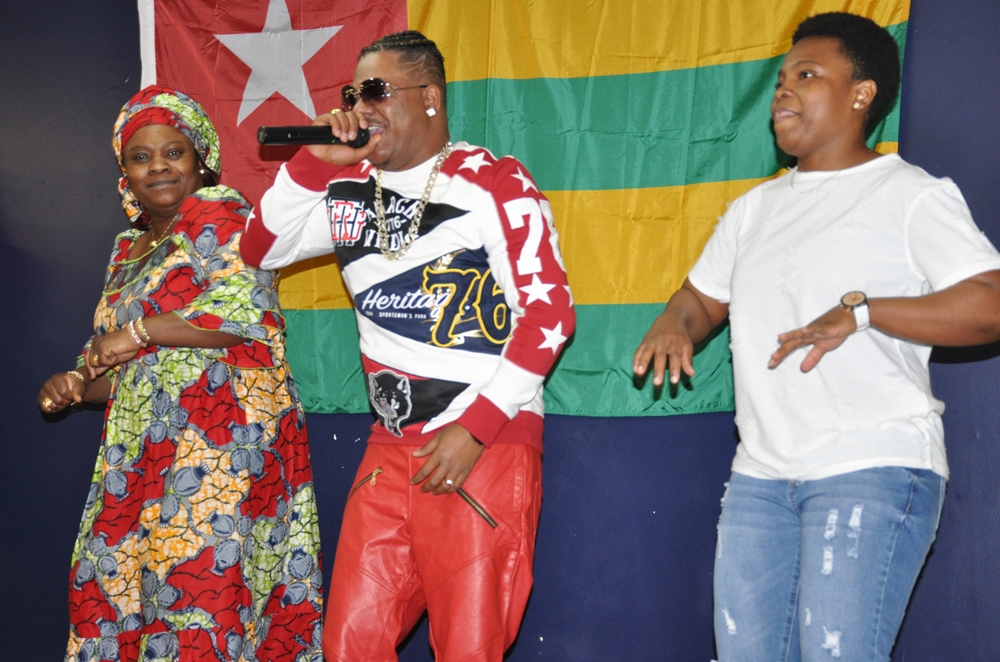
Togo has more than 40 clans with different dialects, it was interesting to hear welcoming and peaceful messages in Ewe, Fond, Kabye, kotokoli, Tem, Temberma, …etc during the event. In addition to those welcoming messages expressed in local languages, the community invited two Togolese celebrities. The artists were participated at the party. Musician Ali Jeez and sister Marceline took the stage with the audience dancing, clapping and asking for more tones as the night rolls on. Marceline sang her original gospel songs. And then switched to Togolese local gospel, and the independence song to grace the occasion.

Childhood Remembered

A t is shown in the water.
Ali-Jezz (center) takes to the stage. Photo: Issa Mansaray/The AfricaPaper

It was incredible and interesting to hear this talented voice from Togo and its diaspora. It reminded everyone of their childhood listening to our great artist Bella Bello, and Agboti yao… and then comes Ali JEZZ, “one for love”. Ali JEZZ came travelled from Texas to perform for the independence in Minnesota. Upon his arrival, the audience stood up and sang along with him. It was a joyful expression of love of the country. An evidence of celebrating Togo’s culture and integration at home and abroad. A crowd of about 300 people celebrate Togo even with all its political turmoil. Many were happy and hopeful for a better and prosperous Togo.

Community Fundraising

The celebration went on with a variety of music and dance in the evening after community members had fundraised by selling food, drinks and auction till 10pm. The celebration was initiated by the Togolese diaspora group known as “Diaspora Forces Minnesota.” Its goal – fundraise and help victims of police and military brutality in Togo.

“The Togolese Independence Day celebration party went well this year. … Beyond the celebration I had to pause to answer a question that keep coming to my mind: what were we exactly celebrating?” questioned Kodjovi Vigniavo, a community member, and Togo liberiation activist. “We are still using the colonial master’s money (FCFA). We have adopted their language as our own. We are unable to choose our own leaders as everything until now is being decided by the “colonial master” … So, are we really independent?”

Political Instability

A t is shown in the water.
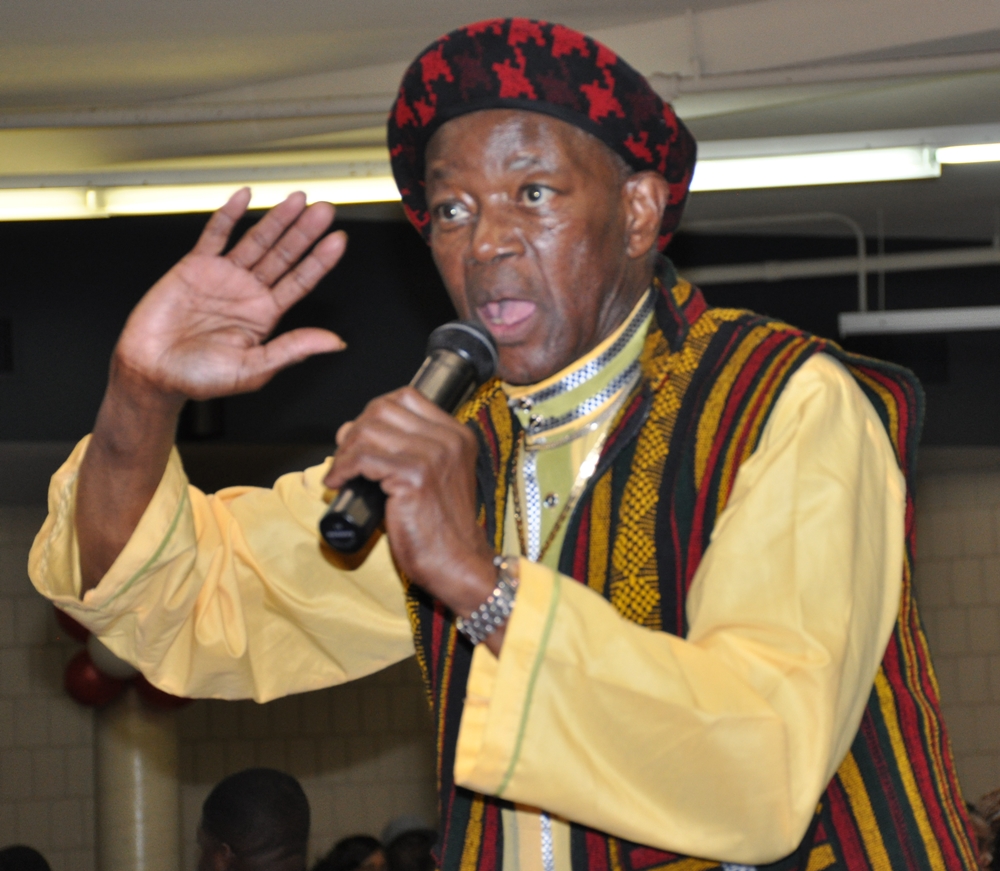
Fo Kwasi gives a brief talk. Photo: Issa Mansaray/The AfricaPaper

Togo has been politically unstable since its independence in April 27, 1960 when the first president, Sylvanus Olympio was assassinated by a group of former French military soldiers who fought alongside France during the Indochina war. Since the year of the assassination, Togo was ruled with a strong fist by military-president Eyadema Gnassingbe for 38 years until his death in Feb. 2005. After Eyadema death, his son Faure Gnassingbe usurped the seat which lead to riot and political crises across the country. Faure temporally ceded power due to pressure from the United Nation, Togolese, and international organizations requesting election in 2005.

Rigged Election

Surprisingly, Faure was proclaimed president of Togo after a rigged election. Since then, Togo has transformed into a country with endless political crises under Faure’s regime. Yet, Faure has been in power for almost 15 years ( 3 terms), he still aspires to continue ruling Togo as exemplified by his father. According to political observers, this it is regardless of Togo’s 1992 constitution which stated that “in any case no one should be elected president for more than two terms.” In violation of constitution, the regime uses military power to brutalize peaceful protesters and in the process killing many Togolese.

Raise Awareness

A t is shown in the water.
Enjoying the Togolese party. Photo: Issa Mansaray/The AfricaPaper

The Diaspora Forces (DFMN) group was formed to inform and raise awareness about Togo’s sociopolitical issues. To help Togolese fight for their right and justice in their country. DFMN also helps victims and the poor with food and medical expenses. The Togolese independence celebration is one of the many events held by DFMN with a unique goal to fundraise and support social actions. The DFMN engages in new member drives by inviting everyone to join and support future events.

Vigniavo says “We are not totally independent; but, I am 100 percent certain of that possibility. Other parts of the world have been independent economically, politically, culturally, socially, etc. for decades, if not centuries.” |TAP| Africa’s Newspaper of Record


DFMN JUNE EVENT – Open Invitation

DFMN is organising an awareness campaign and Sit-In in June to support Togo’s struggle.

Place: 1200 Washington Avenue South. Minneapolis, MN 55415. (Amy Klobuchar’s office)

Intersection of Highway 35W/ Washington Avenue, Minneapolis.

BBQ: ELLIOT PARK: 1000 E 14th St. Minneapolis, MN 55404

Date: Saturday, June 23, 2018

Time: 12pm till closing time

Entrance: FREE – Everyone is welcomed!

Contact(s): Sylvestre Gallee. Phone – (952)-564-0673