Home Blog Page 46

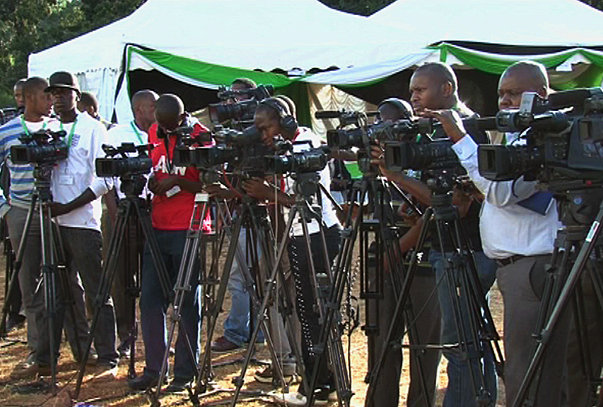
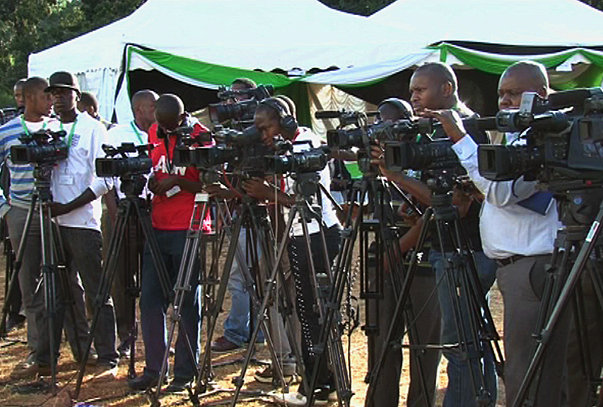
Kenyan Journalists Defend Election Coverage

0


Kenya Media
While critics say reporting was too soft, many in the industry say discretion reflected a responsible approach.

By Judie Kaberia | The AfricaPaper

Nairobi – Kenyan journalists have hit back at criticism that their coverage of the March 4 general election was over-cautious and failed to scrutinise the problematic count.

Keen to avoid inciting tensions – an accusation made against the media following the last election which descended into bloodshed – the media went too far the other way, critics say, alleging a failure to take the Independent Electoral and Boundaries Commission, IEBC, to task over the polling procedure and allegations of vote-rigging.

On March 9, Uhuru Kenyatta was declared winner of the presidential election, after a counting process that dragged out over more than four days.

His main rival, Raila Odinga, has alleged irregularities in the ballot, and on March 16 filed a petition with the Supreme Court challenging the result. A ruling on this is expected by March 30.

Following the last presidential poll in December 2007, Kenyan media outlets were accused of fueling violence that erupted across Kenya. After two months of bloodshed, 1,100 people were dead and over half a million had been displaced.

BLAME

Media outlets were blamed for over-hasty, partisan reporting and for giving politicians space to spread propaganda and hate speech, inciting conflict along political and ethnic lines.

One radio journalist, Joshua Arap Sang of Kass FM, is due to stand trial, along with Kenyatta and his running-mate William Ruto, at the International Criminal Court in The Hague, for his role in the 2007-08 violence.

In the current election, some observers believe that Kenyan journalists were too timid and that they neglected their responsibility to act as watchdogs by turning a blind eye to allegations of miscounting and vote-rigging.

“Journalists kept on reporting only what the electoral commission was telling them,” said a Kenyan blogger who declined to give his name. “They did not cover people who were complaining about the elections because they were afraid things will be like in 2007. Even though it was good for them to be cautious on peace, they were not supposed to withhold information.”

The simultaneous presidential, parliamentary and local polls were the first involving a biometric system in which fingerprint scanners and digital cameras were used to computerise both voter registration and the polling process itself.

CONFUSION

As the IEBC counted votes between March 5 and 9, there was a lot of confusion early on as to why it had abandoned its new electronic counting system, and to what extent a manual tally would be used instead. Nor was it explained clearly how spoilt votes would be dealt with in the overall count, and why there were inconsistencies between the tallies reported from some constituencies.

Speaking at a forum in Nairobi to discuss the media’s performance during the election period, Henry Maina, director of press freedom group Article 19 East Africa, said journalists failed to raise awkward questions with the IEBC.

“If numbers were not adding up – it is a basic arithmetic question – why would [the media] not say, ‘There is a problem here, these figures don’t add up’,” Maina said. “Asking such a question does not mean you have caused unnecessary tension in the country. You would be helping the country, and probably you would have saved us from going to the courts.”

Macharia Gaitho, a columnist for the Nation newspaper in Nairobi and the chairman of the Kenya Editors Guild, defended the media’s handling of these issues.

“The media questioned the IEBC over the process of acquiring the biometric voter registration kits. When the systems failed during the election, the media reported [it]. Even when the petition [challenging the result] was taken to court, the media was still reporting until the Chief Justice warned against subverting the process,” Gaitho said.

“What should the media have done that it did not do?”

EVIDENCE

Some critics have condemned the media for not following up on claims made by politicians that the poll was rigged. For example, parliamentary candidate Ayiecho Olweny cried foul after he lost the Muhoroni seat which he had been expected to win easily.

But media representatives said it was not their job to report on claims that were not backed up by evidence.

“[It was] not only Olweny who told us [journalists] that the elections were being rigged. There were many others, including the vice-president, Kalonzo Musyoka,” said one journalist at the IEBC central counting station, who asked to remain anonymous. “But there was no evidence. In fact, as results kept on coming, we could see that some of the allegations made by politicians were not true.”

RESPONSIBLE

The journalist insisted that a measure of caution was a sign of responsible reporting.

“Can you imagine if we started running headlines about elections being rigged? What would have happened?” he asked. “There was already too much tension across the country. I thank all my colleagues for being responsible and interrogating allegations made before rushing to flash headlines.”

Gaitho, too, said that the media was right to refuse to publicise allegations of rigging made by politicians who did not present evidence that this was true.

“I remember talking to one fellow – and he was very certain that the election was stolen – I asked him, ‘Bring me the evidence and I promise I will publish the story’. But what he brought was his views,” Gaitho said. “We cannot simply publish because somebody feels aggrieved, then starts blaming the media for not reporting.”

Macharia attributed the media’s professionalism to the large amount of training carried out on election and conflict reporting in the run-up to the elections.

“We had so many trainings way before the election so that we didn’t repeat the mistakes of the last election. We had to [inform] radio presenters [about] what is fair and safe to air live,” he said.

Shitemi Khamadi of Internews, an international media development organisation, echoed concerns that the media held back from quizzing the IEBC.

REACTION

He said journalists took this approach because they were worried what the public reaction would be to allegations of malpractice.

Ahead of these elections, media owners and editors signed a code of conduct to guard against their journalists fanning violence, as happened five years ago. Media outlets were asked to avoid reporting in a manner liable to incite the public. They were also asked not to conduct their own vote tallies as they did in 2007, but instead to rely on the IEBC official tallies.

Speeches that candidates made before the results were announced were not broadcast live.

Khamadi said the charges against Arap Sang at the ICC did not just prompt journalists to err on the side of caution, but encouraged them to exercise self-censorship.

At the same time, he acknowledged that as tensions ran high across the country, journalists rightly stopped themselves from publishing material that could have incited further trouble.

CAREFUL

“There was restraint. We were very careful with live coverage for a good reason, because we did not want to give politicians a chance to incite [people],” Khamadi said. “We had to be sensitive on what was safe to air live. Of course there are shortcomings, but I don’t think you can say there was total failure or grand conspiracy to promote one side at the expense of the other.”

Khamadi pointed out that media ownership was another constraint. Media outlets in Kenya are often owned by powerful politicians, so journalists are not really able to question the line taken by members of the particular party in question.

“Media ownership is very political in Kenya and journalists tried hard not to ask hard questions so that they are not [thought to be supporting the opposing side],” Khamadi said.

Judie Kaberiais Kenya Coordinator forReportingKenya.net and Special Projects Reporter atCapital FM in Nairobi.

The AfricaPaper: This article was produced as part of a media development programme by IWPR and Wayamo Communication Foundation in partnership with Capital FM.
Kenyatta’s Winning Game

0


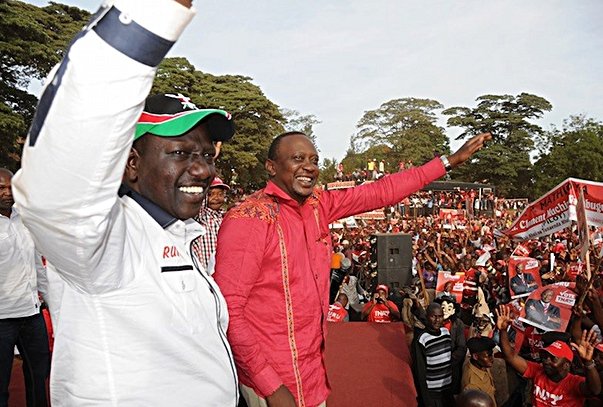
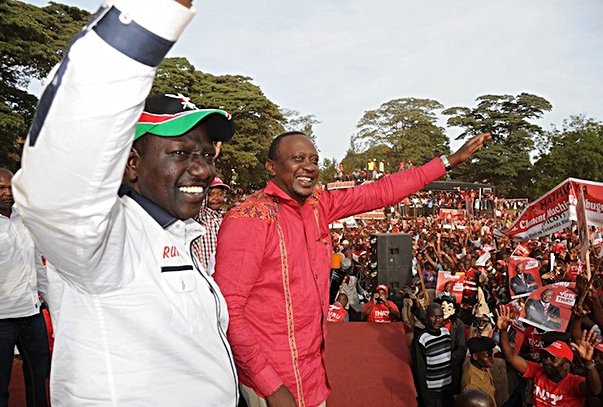
Kenya: Uhuru-Ruto Rally


As Uhuru Kenyatta is confirmed as president, experts say a strong campaign landed him many votes in areas usually dominated by his main rival.

By Bernard Momanyi | The AfricaPaper

Nairobi, Kenya – Political analysts in Kenya say Uhuru Kenyatta’s election as president is largely due to energetic campaigning which won him significant numbers of votes in areas traditionally supportive of his main rival, Raila Odinga.

After a protracted counting process, Kenyatta was declared winner on March 9 with 4,000 votes over the 50 per cent he needed to avoid going into a second, runoff vote. Kenyatta won 50.1 per cent of the vote, while Odinga polled 43. 3 per cent with the rest of the votes shared by six other candidates.

Victory

Odinga petitioned the Supreme Court in Nairobi, challenging the poll result and accusing Kenya’s Independent Electoral and Boundaries Commission, IEBC.

On March 30, Chief Justice WIlly Mutunga announced that the legal challenges had been turned down, and Kenyatta’s election victory would stand.

Trial

Uhuru Kenyatta

Kenyatta and his running mate in the Jubilee coalition, William Ruto, are facing trial at the International Criminal Court, ICC, for their alleged role in orchestrating the bloodshed that erupted after the last presential election, held in December 2007, was disputed.

A third suspect, Joshua Arap Sang, also faces trial for the violence.

More than 1,100 people were killed and 600,000 others displaced as Kenya experienced the worst electoral violence in its history. The conflict was brought to a close in early 2008 when a coalition agreement was struck between Odinga, who became prime minister, and Mwai Kibaki, who was declared president.

Unrest

In Kenya’s first general election since that unrest analysts say Odinga, who was standing for the Coalition for Reform and Democracy, CORD, appeared to have lost some of the support he previously enjoyed in various parts of Kenya.

Analysts say the Jubilee coalition secured more votes in traditionally CORD constituencies than the other way round.

“When you look at the results, Uhuru [Kenyatta] received more votes in Odinga’s strongholds as compared to what Odinga scored in Uhuru [Kenyatta] strongholds,” Tom Wolf, lead researcher at IPSOS Synovate, said. “This is attributed to the last-minute mobilization done by Jubilee.”

In Mandera county in northeastern Kenya – usually seen as a CORD stronghold – Odinga picked up only around 4,000 thousand votes compared with a massive 94,000 for Kenyatta.

Turnout

Turnout in Kenyatta’s traditional support-bases was higher than in Odinga’s, and this too proved a decisive factor.

“In the 20 counties where Mr Kenyatta received most votes, the average voter turnout was 88 per cent, while in the same number of counties Odinga had a turnout of 84 per cent,” Wolf said.

Kennedy Masime, executive director of the Centre for Governance and Development and chairman of the Elections Observation Group, said that Odinga failed to get enough of his traditional supporters to come out and vote.

Mobilize

“[Kenyatta’s] ability to mobilize his Central and Rift Valley voters is hardly extraordinary. There were high stakes in this election, especially given the ICC issue,” Masime said.

Odinga’s efforts to muster support proved particularly challenging in Coast province – formerly one his strongholds – where a secessionist movement known as the Muslim Republican Council, MRC, actively tried to dissuade people from voting.

Masime said Odinga’s hopes of becoming president were “dealt a blow” in Coast, where turnout was only 60 to 70 per cent.

James Oranga, a political consultant in Nairobi, attributes CORD’s lower vote tally to Odinga being less vocal than his Jubilee rivals in encouraging voters to register during a month-long process held at the end of last year.

“This is a sharp contrast to the Jubilee Alliance, which not only mobilized its supporters to register but also implored them to go out and vote in large numbers. This is evident from the figures released during the tallying period,” Oranga said.

More Time

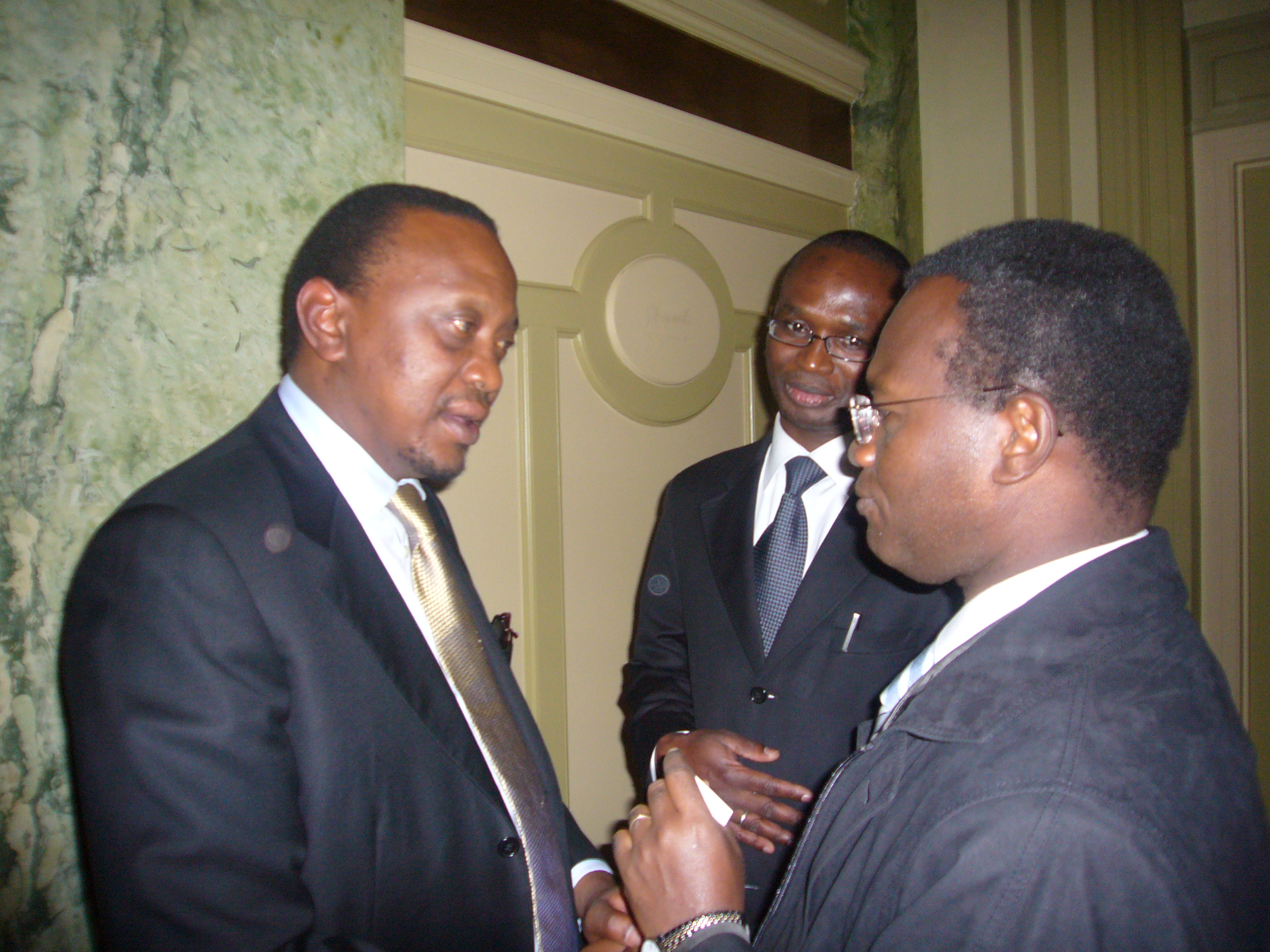
Kenyatta in Washington, Photo: The AfricaPaper

Dr Adams Oloo of the University of Nairobi’s Institute of Development Studies says another factor in Kenyatta’s favour is that he had more time than Odinga to travel around the country and build up support. Kenyatta stepped down as Kenyan finance minister in January 2012 after the ICC confirmed the charges against him.

By contrast, Odinga continued to carry out his duties as prime minister right up until formal campaigning got under way.

“[Odinga] seems to have [taken] his eye off the ball a long time ago, while the Jubilee team remained on the ground mobilising support,” Oloo said. “Raila [Odinga] was likely too busy with other issues as prime minister.”

In its campaign, CORD hoped to capitalise heavily on one apparently favourable factor – the criminal charges that Kenyatta and Ruto face at the ICC. Odinga repeatedly pointed out that, if elected, Kenyatta would be forced to govern Kenya from The Hague, where his trial is scheduled to start in July and could last several years.

Victims

Besides the practical difficulties posed by the trials, victims of the 2007-08 electoral violence have yet to see high-level perpetrators brought to account. Hundreds of families have yet to return to their homes, or resettle permanently elsewhere.

Nevertheless, analysts say Kenyatta and Ruto managed to turn the impending ICC trials to their advantage.

In the Rift Valley, which is dominated by the Kikuyu and Kalenjin communities – traditional backers of Kenyatta and Ruto, respectively – the ICC charges did not deter people from voting for the two candidates.

Indictment

During campaigning, the Jubilee candidates portrayed the ICC charges as an indictment of the Kenyan people as a whole, and of their own ethnic groups in particular.

“For Uhuru and Ruto, the ICC issue clearly played a major part in handing them the contested victory,” Martin Oloo, a political analyst in Nairobi, said. “The Kalenjins and Kikuyus, who were seen to be the largest voting bloc, seem to have been convinced that this was a case against them as communities.”

Oranga said that while Jubilee campaigned “vigorously” in the Rift region, CORD “banked on a wrong assumption. They thought they will get a third of the votes from Rift Valley, but ended up getting nothing from there.”

ICC Issue

In Martin Oloo’s analysis, Odinga failed to make the most of the ICC issue, and his handling of it actually played into Jubilee’s hands.

In order to win votes among those opposed to the ICC trials ,Odinga said that if he was elected president, he would try to bring the ICC cases back to be tried in Kenya. However, in the Rift Valley this pledge gave rise to a misperception that Odinga had some sort of control over the Hague process, and was therefore responsible for Kenyatta and Ruto being charged in the first place.

Oloo noted that Odinga changed direction near the end of his campaign, telling voters that people must face justice for their crimes.

“That change of tack spoiled [things] for him, because he became inconsistent. It was not strategic at all,” Oloo said.

Other analysts say the key messages delivered in the Kenyatta campaign contributed to his success.

Mwananchi

Julie Wangombe

Alfred Ng’ang’a, the manager of a public relations firm in Nairobi, argued that one of Kenyatta’s strengths was his focus on the important issues that affect the day-to-day lives of “the common mwananchi” (a Swahili term meaning “public”).

“They [Jubilee] always spoke about problems facing the people, like lack of food, insecurity, unemployment and they spoke more often about what their government will do to offer solutions,” Ng’ang’a told IWPR.

Young People

Ng’ang’a said Kenyatta also demonstrated a greater willingness than Odinga to engage Kenya’s young people, a key section of the electorate.

According to government figures, 75 per cent of Kenya’s population is under 30 years old.

Ng’ang’a highlighted Kenyatta’s use of modern tools like social media and slogans such as “Dunda na Uhuru” (“Dance with Uhuru”) which appealed to young people.

The Jubilee Alliance also ran a poster campaign depicting young people seeking a government that would create jobs.

Promises

By contrast, Ng’anga said, Odinga focused too much on promises to reform the mechanisms of government and making amends for the failings of past administrations, and did not make it clear enough what he would do for Kenyans.

“Unlike Jubilee, CORD concentrated too much on dwelling on issues of the past, which every government had been talking about, with no solutions,” Ng’anga said.

Bernard Momanyi is a reporter for ReportingKenya.net and News Editor at Capital FMin Nairobi.

The AfricaPaper: This article was produced as part of a media development programme by IWPR and Wayamo Communication Foundation in partnership with Capital FM.
$18M for Secondary Education in Developing Countries

0


“Education beyond primary school remains out of reach for millions of children, especially girls,” said Barry Lowenkron. Photo:MacArthur Foundation

By Meredith Klein

Chicago, IL – A partnership of five philanthropic organizations announced nearly $8 million in grants and a commitment of an additional $10 million in 2013 for innovative projects that will increase the participation, quality, and relevance of secondary education for economically disadvantaged and marginalized children in developing countries.

Philanthropies

The MacArthur Foundation, The MasterCard Foundation, ELMA Philanthropies Services, Human Dignity Foundation, and another funder are growing their collaboration through the Partnership to Strengthen Innovation and Practice in Secondary Education, issuing a second call for proposals to support innovative initiatives that provide learning opportunities and life and livelihood skills for underserved youth between the ages of 12 and 19 in East Africa, Nigeria, and India.

Partnership

The Partnership was announced in 2012, and received more than 500 submissions in response to its first call for proposals from groups working in secondary education around the world. Nearly $8 million was provided by the partnership in support of 19 projects, exceeding its original commitment of $5 million. See below for a complete list of the grantmaking. The partners formed the collaboration on the well-demonstrated premise that secondary school education is measurably associated with positive effects on health, wellbeing, and productivity.

Scarce

Yet secondary education remains scarce in the developing world, particularly for marginalized girls, a focus of the MacArthur Foundation’s grantmaking. Girls with higher levels of education marry later, have smaller families, survive childbirth at higher rates, experience reduced incidences of HIV/AIDs, have children more likely to survive to age five, earn more, and contribute to higher rates of economic growth at the national level.

Fresh Thinking

We are looking for fresh thinking about providing quality secondary education, so that every child has a chance at living a fulfilled life and contributing to his or her local community and our global society.

“Education beyond primary school remains out of reach for millions of children, especially girls,” said Barry Lowenkron, Vice President of International Programs for the MacArthur Foundation. “Low- and middle-income countries have a tremendous opportunity to pull citizens out of poverty by educating girls to the same standards as boys. We are looking for fresh thinking about providing quality secondary education, so that every child has a chance at living a fulfilled life and contributing to his or her local community and our global society.”

Social Transformation

“Secondary education is a vital tool of social transformation, as it is the bridge that connects young women and men to better futures, either in higher education or the workforce,” said Deepali Khanna, Director of Youth Learning at The MasterCard Foundation. “This initiative will bring new thinking and innovative ideas to our shared effort to empower young people to break cycles of poverty and be able to learn and prosper.”

Change in Communities

Changing Communities

In 2013, the collaborating organizations will focus on funding projects that pilot new approaches, bring to scale successful models, and research critical questions about how to innovate in secondary education. Four thematic areas of interest have been identified: increasing demand for secondary-level learning, improving teacher skills, promoting employment-relevant skills, and promoting alternative education models. Collectively, projects will effect immediate change in communities where pilot programs are conducted and will contribute to a growing base of evidence on secondary education. Projects supported will emphasize evaluation to document clearly what works and the integration of the use of technology in education in developing countries, as well as the delivery of secondary education in conflict-affected populations.

Policy Agenda

The partners were brought together as early supporters of A Global Compact on Learning, a policy agenda for access to education and quality learning in the developing world, coordinated by the Brookings Institution’s Center for Universal Education. The report informed the UN Secretary General’s five-year Global Education First Initiative, which seeks to refocus international attention on quality, relevant, and inclusive education for children at all levels and that aims to enroll an additional 61 million students worldwide by 2015. The Partnership was cited among the initial commitments to the Initiative at its launch at the 2012 UN General Assembly.

View details about the partnership’s 2013 call for proposals and the selection process.

First round support from the Partnership to Strengthen Innovation and Practice in Secondary Education:

  • African Population and Health Research Center: $519,000 to improve learning outcomes and enhance secondary school participation of disadvantaged girls in urban informal settlements in Kenya through action research.
  • The Akanksha Fund: $477,000 in support of an initiative to train a new generation of school leaders in order to improve learning outcomes among low-income children in India.
  • Asante Africa Foundation: $500,000 to scale up an integrated, child-centered educational model to elevate the quality of secondary school teaching, foster the development of critical thinking skills, and improve learning outcomes for youth in secondary schools in rural Tanzanian communities.
  • British Council: $476,000 to assess the availability and effectiveness of in-service teacher trainings and their impact on learner achievement and outcomes across several states in Nigeria.
  • Build Africa: $480,000 in support of research into how to address barriers to children’s transition from primary to secondary school in Uganda.
  • Co-Creation Hub Limited: $292,000 in support of an education technology pilot program using mobile phone applications in Lagos State, Nigeria.
  • Development Research and Policy Center: $425,000 in support of efforts to strengthen the implementation of new secondary school curricula in girls’ schools in Jigawa and Kano States, Nigeria
  • Educational Initiatives: $280,000 in support of a benchmarking study to assess language and math achievement of 9th and 10th grade students in government and private schools in the states of Gujarat, Maharashtra, and Rajasthan.
  • ERU Consultants: $55,000 to support a study evaluating the impacts of gender composition of teachers on secondary education, including the demand for education among girls and their parents.
  • Global e-Schools and Communities Initiative: $519,000 to support a teacher training model that leverages technology to improve science and technology and English in secondary schools in Kenya and Tanzania.
  • International Center for Research on Women: $385,000 to help enhance the participation and continuation of adolescent girls in secondary schools in Uganda through research into social norms and expectations related to reproduction and family formation.
  • International Child Development Initiatives: $514,000 to replicate a successful Indian education model in Kenya and Uganda that mobilizes communities to ensure girls are enrolled and retained in secondary education.
  • Population Council: $425,000 to fund the design and evaluation of a pilot intervention in a rural district in the state of Gujarat, India, to support adolescent girls’ transition to and retention in secondary education and to improve learning outcomes by increasing parental and community engagement.
  • Pratham USA: $514,000 in support of the Pratham Open School model, an intervention designed to reach girls at risk of dropping out of school and to re-engage those who have already left the formal education system.
  • Promoting Equality in African Schools: $496,494 to increase access, retention, and results of secondary school students in rural Uganda through teacher training, income generating activities and improved curricula.
  • Results for Development Institute: $793,000 to synthesize and disseminate learnings from projects supported under the donor collaborative, Partnership to Strengthen Innovation and Practice in Secondary Education.
  • Sazani Associates: $300,000 to build secondary school teacher capacity and enrich secondary education curriculum with life and enterprise skills training in collaboration with the Ministry of Education and Vocational Training in Zanzibar, Tanzania.
  • The Catholic University of America: $92,000 in support of a project to evaluate efficacy of an established teacher training program in Lagos, Nigeria.
  • University of Bristol: $410,902 to make textbooks and teaching strategies relevant to and supportive of second language learners in rural secondary schools in Tanzania.

About the Philanthropies

The MacArthur Foundation

The John D. and Catherine T. MacArthur Foundation supports creative people and effective institutions committed to building a more just, verdant, and peaceful world. In addition to selecting the MacArthur Fellows, the Foundation works to defend human rights, advance global conservation and security, make cities better places, and understand how technology is affecting children and society. MacArthur has committed an initial $10 million to support and spur efforts to improve the participation and quality of learning in secondary education by girls in the developing world. More information is available at www.macfound.org/girlseducation.

The MasterCard Foundation

The MasterCard Foundation is an independent, global organization based in Toronto, Canada, with more than $6 billion in assets. Through collaboration with partner organizations in 49 countries, mostly in Africa, it is creating opportunities for all people to learn and prosper. The Foundation’s programs advance microfinance as well as youth education. Established in 2006 through the generosity of MasterCard Worldwide when it became a public company, the Foundation is separate and independent from the company. Its policies, operations, and funding decisions are determined by its own Foundation Board of Directors and President and CEO. More information is available at www.mastercardfdn.org.

ELMA Philanthropies Services

ELMA Philanthropies Services acts as the services arm of the ELMA Group of Foundations. From locations in New York, Cape Town and Dar es Salaam ELMA Philanthropies Services develops program strategies, identifies and explores grant making opportunities, monitors grant performance, and establishes philanthropic relationships for the Foundations. More information is available at www.elmaphilanthropies.org.

Human Dignity Foundation

Human Dignity Foundation (HDF) is an independent, private foundation that works to bring about positive change in the lives of people in Africa & Asia. With a particular focus on enabling children & women to fulfill their rights, HDF works with organisations that are innovative and creative, and that have strong roots in their community. More information is available at www.human-dignity-foundation.org

Meredith Klein is Communication Officer, Public Affairs at The MacArthur Foundation. For further information contact: (312) 516-1557, Email: mklein@macfound.org

ELECTION: KENYATTA’S KENYA

0


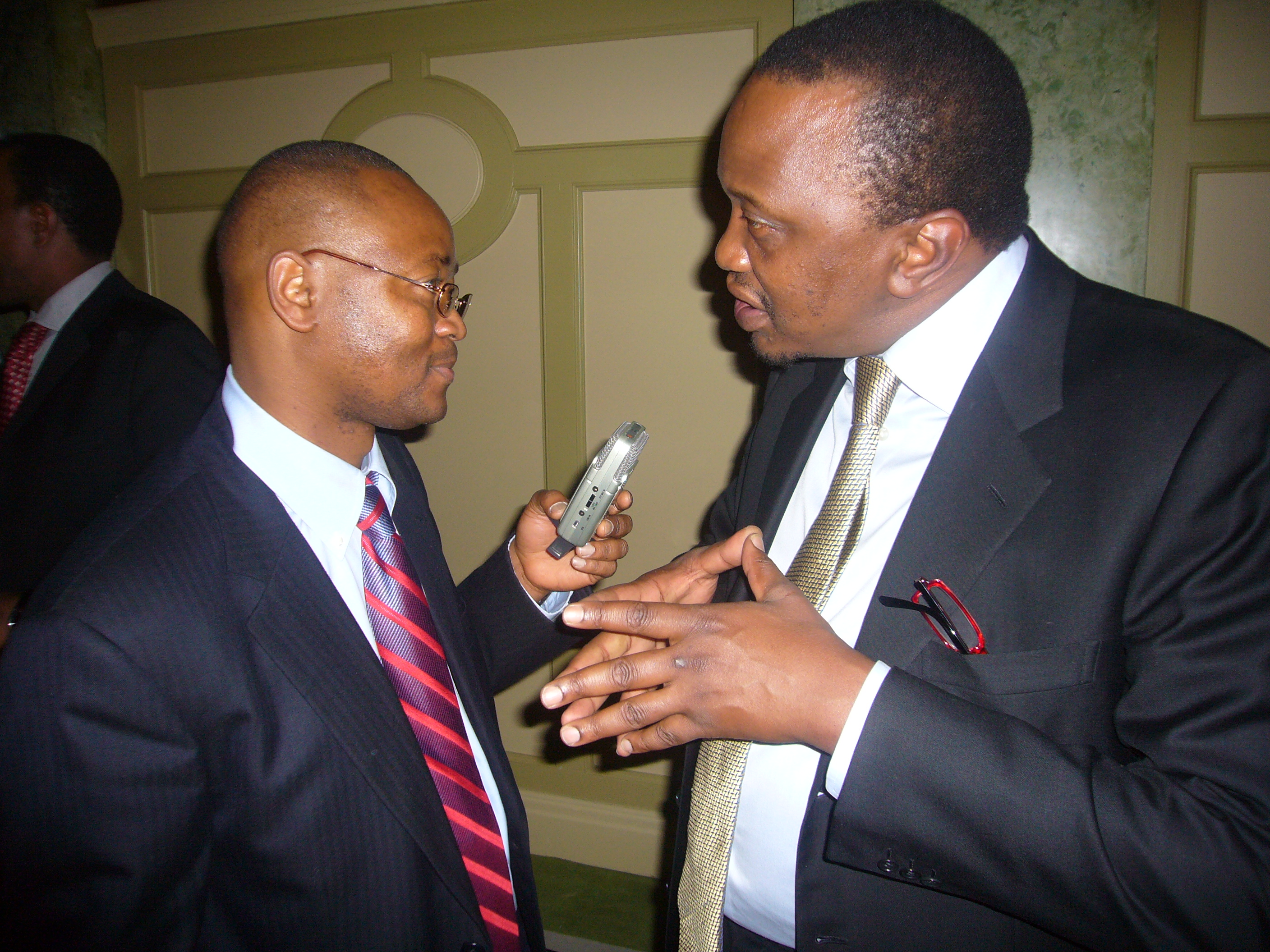
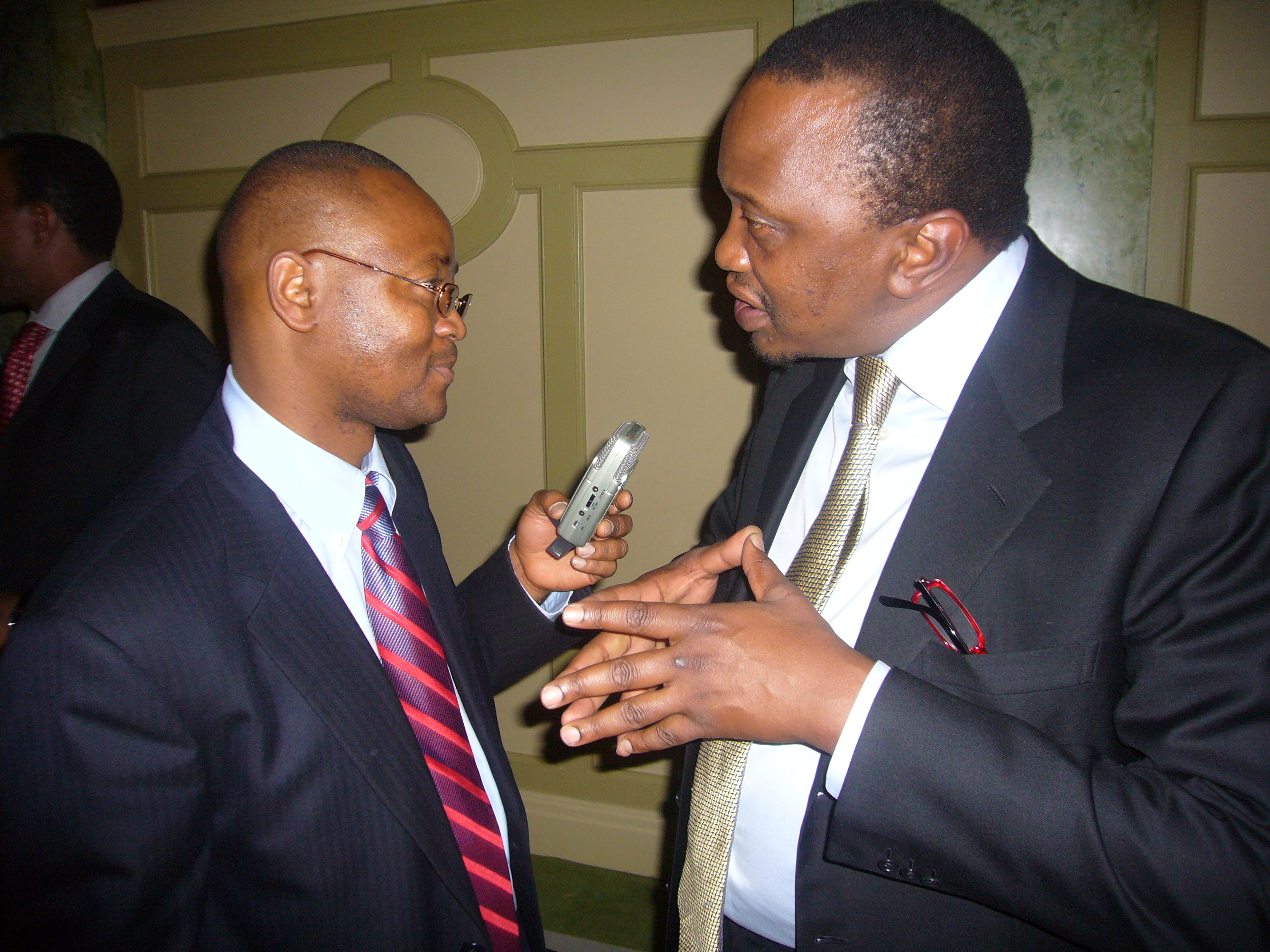
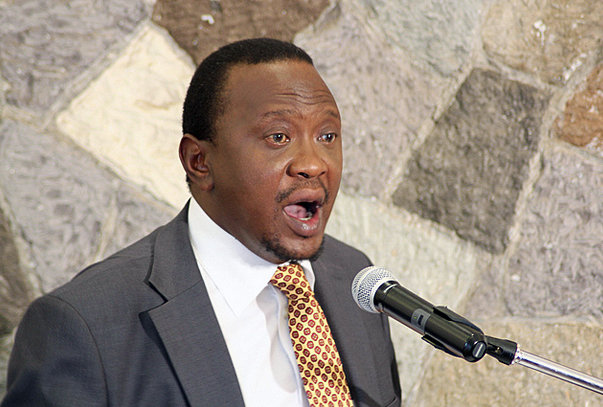
President-elect Uhuru Kenyatta talks to The AfricaPaper. Filed photo (c) TAP


The AfricaPaper | Kenya


NAIROBI – Kenyans waited four days for the outcome of the election. It was a tense atmosphere full of political speculations. An election that many around the world monitored with keen interest, but finally, Uhuru Kenyatta has been elected to serve the same office his father held 40 years ago. From Nairobi The AfricaPaper’s correspondent reports.

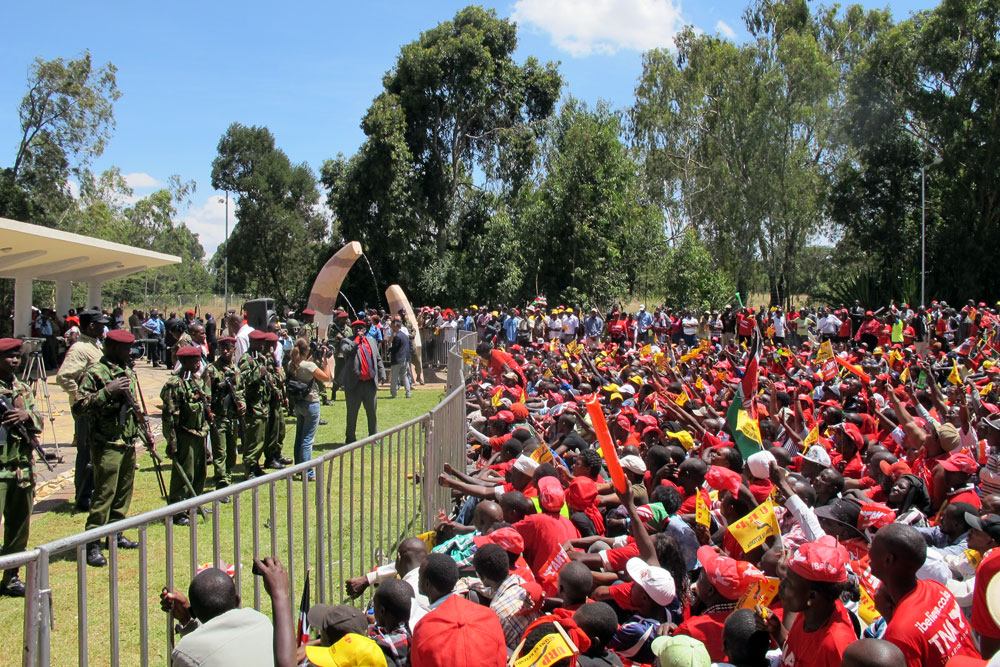
TNA Supporters

Uhuru Wins

Officials from the Electoral and Boundaries Commission (IEBC) said Uhuru Kenyatta, 51, won 50.07 percent of the vote, a narrow win to avoid a run-off. On Saturday, Kenyatta, the country’s deputy prime minister was declared winner of the presidential election, and promised to work with the main opposition leader Raila Odinga.

“I therefore declare Uhuru Kenyatta the duly elected president of the Republic of Kenya,” said Issack Hassan, chairman of the IEBC, as he announced the election results. The president-elect was also handed a certificate declaring him as the winner of the much anticipated result avoiding a repeat of last election’s tribal conflict that left nearly 1,200 people dead.

In a press statement, main opposition leader Raila Odinga alleged massive electoral fraud, and promised to challenge the results of the “tainted election” in the Supreme Court. As of this article, Mr. Kenyatta remains the winner.

Failed Electronic System

The vote count was plagued with technical problems that include a programming error that rejected thousand of votes. Odinga’s CORD party complained that votes from 11 constituencies were unaccounted for, leaving him more than 250,000 votes less.

Kenya’s new electronic system used to transmit vote results was designed to eliminate election fraud, but it failed. It was introduced to avoid a repeat of the 2007 post-poll violence that crippled Kenya’s economy and tarnished its image as one of Africa’s stable nations.

Kenyatta won the presidential election by a narrow margin of 6,173,433 votes out of more than 12.3million vote cast, and Odinga carried 5,340,546 votes in an election contested by eight candidates.

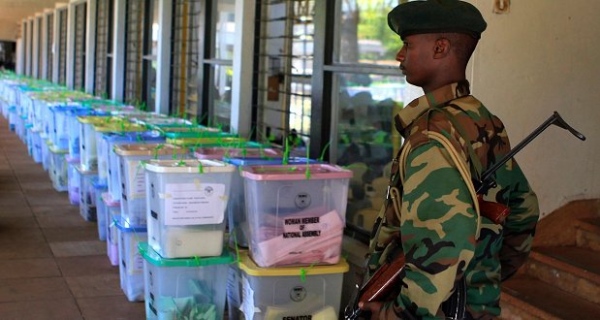
A Kenya Wildlife Service member guards unopened ballot boxes in Nairobi. Photograph: Noor Khamis

Enter the ICC

For the International Criminal Court (ICC) in The Hague, the election outcome will determine its next step according to Kenyatta’s supporters. Scheduled to stand trial at the ICC over violence from the 2007 election, Kenyatta and his deputy, William Ruto face charges of crimes against humanity, including alleged support of communal violence that resulted in the deaths of more than 1,200 people, and an estimated 600,000 internally displaced.

With a turnout of about 86 percent, the largest ever; IEBC described the elections as complex, but credible and transparent. Hassan praised the candidates who had already conceded defeat and urged other opposition candidates to do the same.

At the Catholic University in Nairobi, Kenyatta called on Raila Odinga and other leaders to “join us in moving our nation forward.” He promised his cheering supporters and opponents to rule Kenya “without fear or favor.”

Democracy on Trial

Mr. Odinga, who serves as the country’s current prime minister, said the IEBC had “failed Kenyans” and that democracy itself was “on trial.”

“Any violence could destroy this nation forever,” Odinga, 68, said to his supporters as he appealed for calm. In previous interviews, Kenyatta told The AfricaPaper that his country is ready for peace, business, and development with international partners.

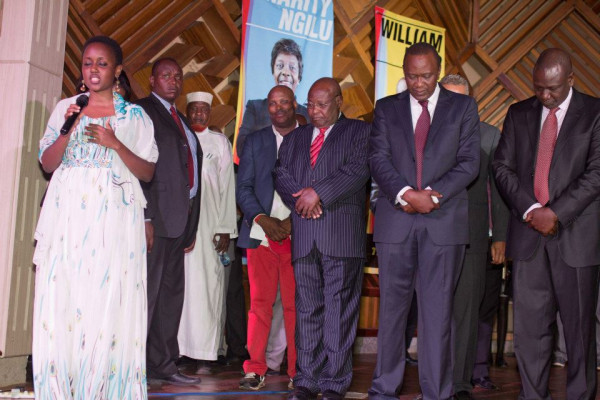
Meanwhile, Kenyans in Minnesota want to see how Odinga’s supporters will take the defeat, either to wait for the courts or take to the streets. Many continue to pray for peace in their country.

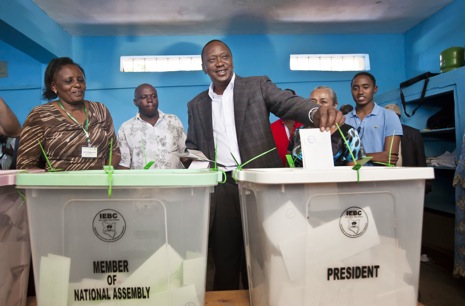
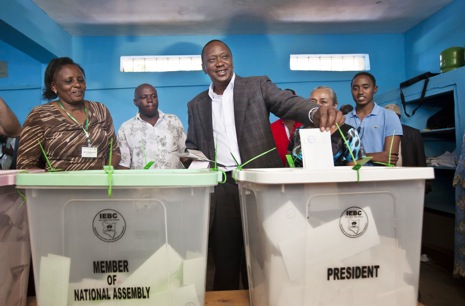
Kenyan Presidential candidate Uhuru Kenyatta casts his vote for president. Message to the Masses

Mr. Kenyatta said his Jubilee Coalition party is “proud and honored for the trust” in electing him. He told supporters that the party had taken its message to the people that “we [Jubilee Coalition] are grateful to the people of Kenya for accepting this message.”

Thousands of Kenyatta’s supporters took to the streets of Nairobi early Saturday morning to celebrate the party’s victory. Many shouting, “Amani!” [Peace].

Difficult Task

As the newly elected president, Kenyatta faces the difficult task of patching his Kenya’s political and diplomatic relations with Western countries and international bodies. Many western representatives are based in Kenya’s capital Nairobi.

The ICC wants to start his trial in July, after lawyers asked for more time for his defense. But, the task is how to try a sitting president, especially as many Africans view the ICC as a body only interested in staging trials for African leaders. Kenyatta and Ruto continue to deny the accusations.

“To the nations of the world I give you my assurances that I and my team understand that Kenya is part of the community of nations and while as leaders we are, first and foremost, servants of the Kenyan people,” Mr. Kenyatta promised in his victory speech. “We recognize and accept our international obligations and we will continue to co-operate with all nations and international institutions– in line with those obligations.”

Foreign Interference

Though the US and UK indicated there be consequences in electing Kenyatta, the son of Kenya’s first president Jomo Kenyatta. Many of his supporters at home and in Minnesota view it as foreign interference.

“However we also expect that the international community will respect our sovereignty and the democratic will of the people of Kenya,” Kenyatta warned. Political analysts say the ICC case against Kenyatta helped his elections a people went amass to the polls to elect him.

Kenyatta’s estimated $500 million family fortune, also helped to catapult him to power. Mr. Odinga also hales from a rich background. His late father Jaramogi Oginga Odinga served as Kenya’s first vice president under Jomo Kenyatta.

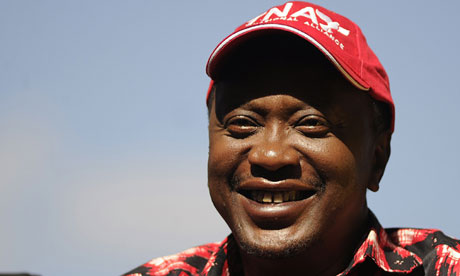
Smiling president-elect Uhuru Kenyatta

“Uhuruto”

The AfricaPaper’s correspondent in Nairobi says police set up barricades around Kibera slum, checking cars and searching trunks for weapons and machetes. Before the election, many parts of Nairobi and villages were covered with Kenyatta’s red party color. Campaign posters and giant billboards read “UHURUTO.”

Party members say Kenyatta is confident and a smooth-talker that doesn’t need a speech writer, and can represent them well in the international community.

“We dutifully turned out, we voted in peace, we upheld order,” added Kenyatta, who graduated from Amherst College, MA, in 1985. “That, ladies and gentleman, is the real victory.”

World Copyright 2013 – The AfricaPaper, USA. All rights reserved. Photos and text may not be published, broadcast, rewritten, redistributed or used in any form without the written permission of The AfricaPaper Media Corporation and AIIR.

MALI, Dynamic Of War

0


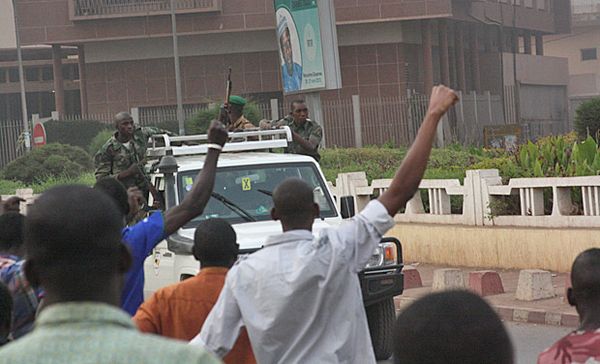
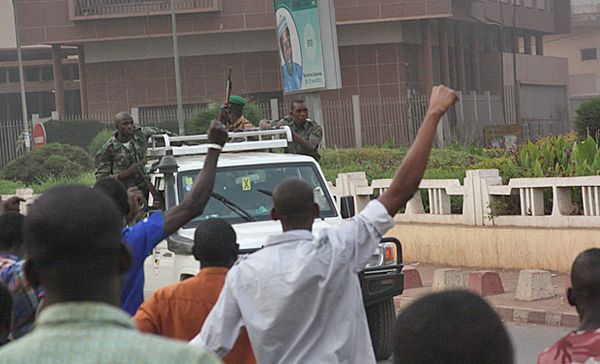
Foreign troops in Mali

By Paul Rogers

The French-led military intervention in Mali both accelerates the war in the west African country and transforms its character. The prospect is of a long-term engagement that Islamist forces far beyond the region will see as an historic opportunity

Decision

The decision of France’s government to intervene directly in Mali on 12 January 2013 represents a sudden intensification of a complex conflict. After months of uncertainty and varying fortunes among the combatants, this new phase of the war will have far-reaching consequences that could extend way beyond Mali’s borders. The reported [14] “understanding and support” of the French action from the United Nations Security Council on 14 January is one such; but the impact on individual western states now bound [15] into a further military campaign in the Islamic world is also already apparent.

It is noteworthy, for example that even as it committed forces to operate in the country [16], France increased domestic-security measures amid warnings from the president [17], Francoise Hollande, about possible retaliatory [18] attacks. Britain, for its part, is supporting the French operation and has made available military-transport aircraft; a C-17 has already delivered [19] supplies to the government-controlled southwest of Mali where French forces are based. It is probable that David Cameron’s government will issue a similar security alert. The reported commitment of both United States and British special forces to the French-led effort reflects the degree [20] of mobilisation underway.

The situation in Mali has been deteriorating since Islamist elements took over the north of the country in early 2012, in the wake of an abortive military coup in the capital, Bamako (see Gilles Olakounlé Yabi, “Mali’s crisis: pitfalls and pathways [21]”, 18 April 2012). Several columns [1] in this series have tracked the variable course of the northern conflict and the stuttering efforts of the troubled Malian government, its west African allies, and states beyond the region to find an appropriate response (see “Mali: war, Islamism, and intervention [22]” [6 July 2012]; “Syria, Mali, Nigeria: war’s paralysis [23]” 11 October 2012]; “Mali, and the next war [24]” [1 November 2012]; and “Mali, preparing for war [25]” [15 November 2012]).

A central theme explored in these assessments been the connection of the Malian conflict to the wider evolution of the al-Qaida idea (see “Al-Qaida, idea in motion [26]”, 4 January 2013). Now, with France’s military intervention, that aspect may become even more integral to the unfolding of events on the ground.

The logic of intervention

The sheer abruptness of the French involvement [27] has taken many observers by surprise. True, towards the end of 2012 there was ample evidence [28] that an attempt to retake northern Mali from the Islamist paramilitaries was being contemplated. But it was assumed that two requirements – the need to train and equip troops from west African states, and the process of involving western troops (from Nato countries) to support them – would extend the timetable for intervention over many months. Indeed, United Nations sources indicated that the earliest date for any action [29] would be September 2013.

A key element in this judgment was the position of the military forces expected [30] to take the leading role in any campaign [31] in Mali. In the case of Nigeria, whose forces would compose the largest single contingent, the problem was twofold: the limited capability of the Nigerian army for the task ahead, and the fact that this army was already preoccupied with attempting to subdue the Boko Haram insurgency in Nigeria’s [32] own north. Similarly, the units that the Economic Community of West African States (Ecowas [33]) could assemble were equally judged far from being able to take over and hold northern Mali. It was widely assumed that the training of these regional forces would be a precondition of active western involvement, hence the longer anticipated timescale.

In the event, the dramatic change in the nature of the conflict was precipitated from the other side: the ability of Ansar Dine [34] and other Islamist paramilitaries, having consolidated their control of northern Mali, but to begin to advance [35] towards Mali’s southwest and occupy centres of population of strategic value that would take them nearer to the capital.

The heart of this acceleration was a rapid move towards [36] (and, on 11 January, occupation of) Konna, a town sixty kilometres northeast of Mopti. The latter has a substantial airfield, adjacent to nearby Sevare, and is the last town with a significant Malian army presence before the richer lands towards Bamako.

Konna and Mopti are on or near Route N16, the main north-south road. It was the entry into Konna that led the French military to intervene, in two ways.The first was to use strike-aircraft operating out of a base in Chad to attack [37] rebel forces in and around the town, and deploy helicopter-gunships to attack rebel columns on the route. The second was to fly in at least 400 members of special forces, mainly to start protecting Bamako itself.

The core purpose of France’s intervention at this early stage is thus twofold: to secure Mopti and Sevare, and to begin the process of strengthening Bamako’s security. Its airstrikes against rebel training-camps and supply-bases across northern Mali is a stark indicator of how quickly the conflict is escalating.The seizure [38] by counter-attacking Islamist forces on 14 January of the town of Diabaly, 400 kilometres from Bamako, further demonstrates how hard even these limited aims will be (not least as these forces entered [39] from a new front in Mauritania to the west).

The intial reports from Konna include details of civilian casualties, such as three children drowned while trying to cross a river to escape the bombing (see “African troops head to Mali as battle for north rages; 11 civilians dead [40]”, Washington Post/AP, 13 January 2013). In a situation where the United States has offered the use of drones to support the operation, this may be a signal of what is to follow in the coming months (see Bill Roggio, “French troops intervene in Mali [41]”, Long War Journal, 12 January 2013).

So far, however, the lack of regional or western ground troops means that the anti-insurgency campaign [42] will need far greater strength before it can attempt to push back the Islamist forces towards Mali’s north. It is reported that Niger and Burkina Faso are moving 500 troops each to Mali, and that Nigeria may follow soon with its own contingent; but western (especially French) soldiers are essential [43] to any major effort to dislodge the Islamist groups. If and when that effort gets underway, an already substantial western military intervention in yet another Islamic country (after Afghanistan, Iraq, and Libya) could by degrees turn into a war that stretching throughout 2013.

The transnational lens

It is possible that a combined Ecowas/Nato force can occupy and secure northern Mali on behalf of the country’s weak [44] government. But this in turn would have two major implications. The first is that to garrison this large territory in the long term will be deeply problematic, and require west African troops [45] supported by Nato states to be involved for an extended period (and present themselves as attractive targets along the way).

The second is that a swathe of Islamist movements across north Africa, the middle east and south Asia would find in Mali a new focus for their activity [46] and ambitions. This emphasises the reality that a loosely connected movement is now much more [47] of a potent idea. It is an idea that – as the previous column in this series [1] argued – can percolate through to paramilitary and other groups – from the Maghreb, Somalia and Yemen to Syria, Iraq, and even the north Caucasus [48] (see Al-Qaida, idea in motion [26]”, 4 January 2013).

In this light, any direct long-term western involvement in Mali will be a gift to jihadi propagandists, who will utilise [49] all available forms of social media to press their case that the west is perpetrating yet another cruel attack on Islam. The narrative will be reinforced by the inevitable, gruesome images and videos of killed and maimed civilians, and destroyed and damaged homes.

France and other Nato states see [50] the Islamist takeover of northern Mali as a direct threat to the regional security west and north Africa, which must be halted [51] by overwhelming military force. But if this appears to them the only option, it is vital to understand that their adversaries see in it a historic opportunity: the possible start of a costly war that reverberates far beyond Mali. The precedents of Iraq and Afghanistan are an ominous warning of what could lie ahead.

The AfricaPaper: Many thanks to Paul Rogers for this report.

About Paul Rogers

Paul Rogers is professor in the department of peace studies at Bradford University, northern England. He is openDemocracy’s international-security editor, and has been writing a weekly column on global security since 28 September 2001; he also writes a monthly briefing for the Oxford Research Group. His books include Why We’re Losing the War on Terror (Polity, 2007), and Losing Control: Global Security in the 21st Century (Pluto Press, 3rd edition, 2010). He is on twitter at: @ProfPRogers