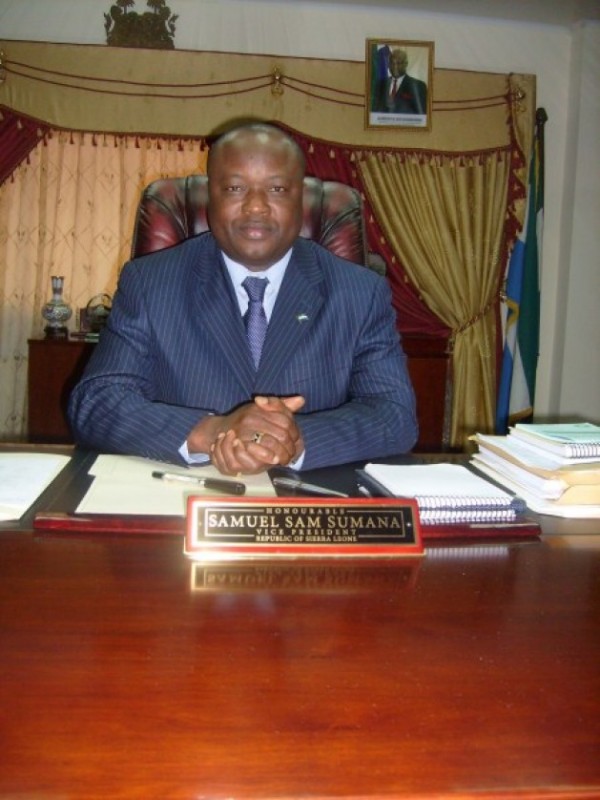
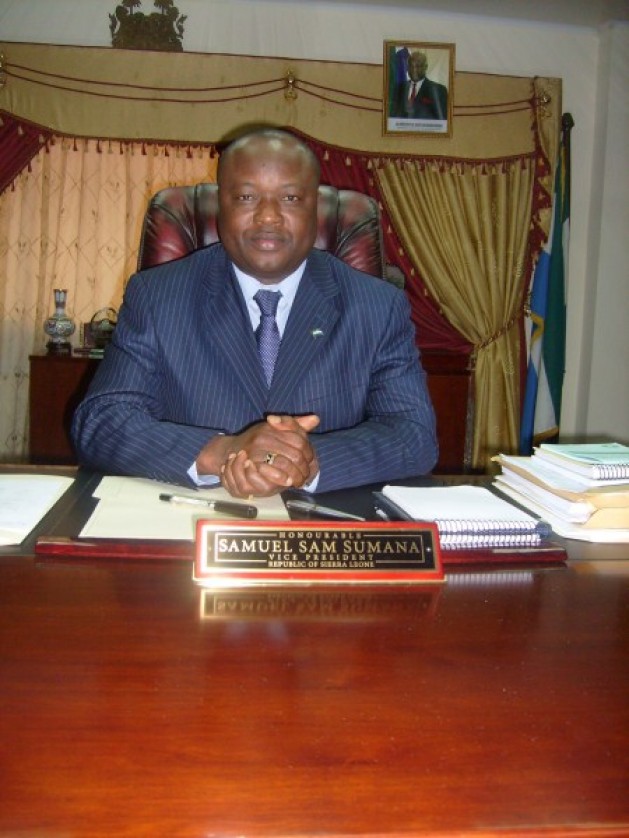
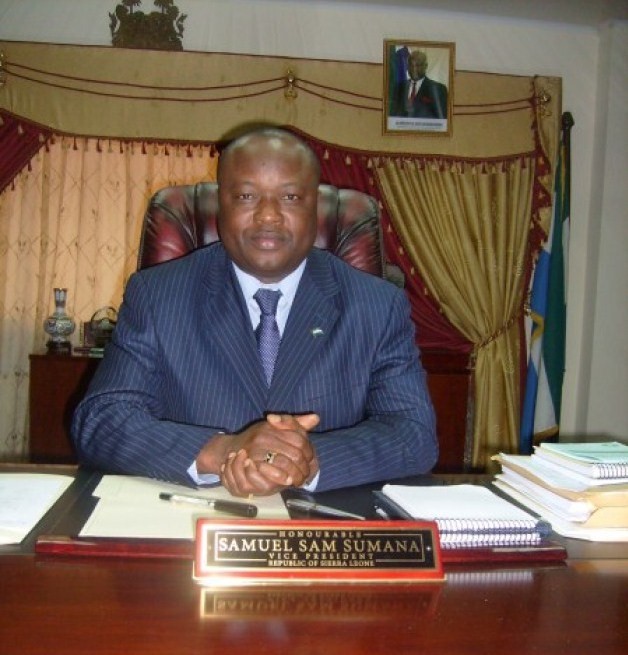
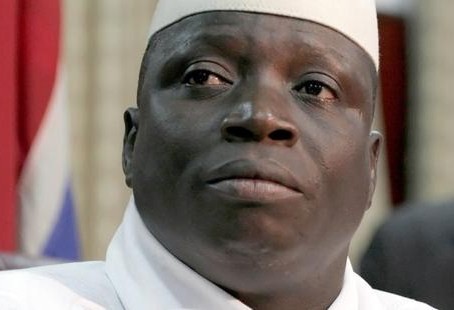
Issa A. Mansaray|The AfricaPaperVP Samuel Sam-Sumana. Photo: The AfricaPaper file
APC Decides
After high-powered political meetings and negations at the Presidential Lodge in Sierra Leone’s capital, Freetown, the ruling All Peoples Congress’ highest decision making body theNational Advisory Council (NAC) has agreed on a running-mate.
Sierra Leonean President Ernst Bai Koroma will continue with Vice President Samuel Sam Sumana as his running-mate in this year’s November election.
For the past few months, political tensions boiled high in Sierra Leone and abroad as Sam Sumana waited for his boss to make his pick. With an atmosphere riffed in business scandals, Mr. Koroma and the NAC’s decision is respected but many at home and abroad accept it with a host of reservations.
Without Power
The VP can celebrate his second term appointment, but his former business partners say they are gearing up to ensure that every single penny he took from them is paid back.
Mr. Koroma’s decision to continue with Mr. Sumana speaks volumes and the question is: what is he trying to protect? Sierra Leone’s observers believe that without political power and immunity from the APC, VP Sumana is susceptible to many international lawsuits and attacks from the opposition SLPP.
Now, Mr. Koroma will find it difficult to convince any of his compatriots, besides his supporters that he is unaware of his VP’s shady business deals and the endless open letters from his former American business partners. Nor can he explain to any about his true meaning of “running the country as a business.”
Party Lines
In Sierra Leone’s politics, many care less for the country and its international image: the election will be conducted on party lines. And the president won’t forget his political friends.
We are seeking stories about how APC’s NAC operates and it members. We also accept similar stories about SLPP. Send in all your pitch to The AfricaPaper – a nonpartisan international newspaper.
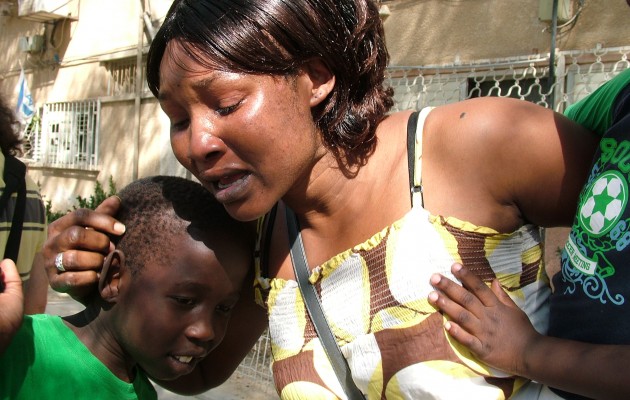
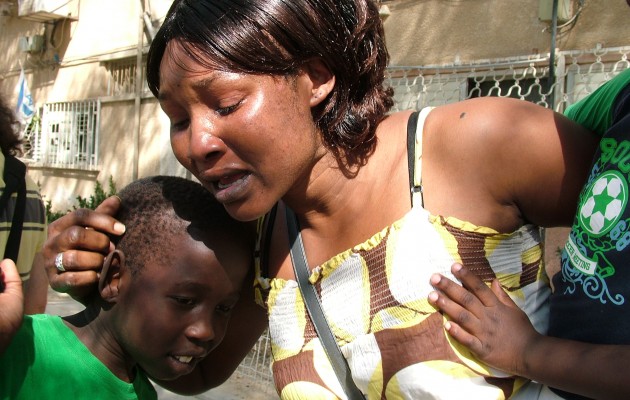
A Sudanese woman is arrested with her children, after being issued with South Sudanese papers. (Credit: RonG LevyZ)
Israel – Sudanese asylum seekers in Israel are being issued with documents changing their nationality, allowing them to be removed from the country or imprisoned.
The Bureau has identified migrants who have recently been issued with documents labeling them as South Sudanese – despite holding passports showing they were bornin areas that remain in Sudan.
Four migrants from the Republic of Sudanhave already been flown from Israel to South Sudan, an entirely different country that was formed last year. The South Sudanese authorities refused to accept them at the border and they were sent back to Tel Aviv.
NGOs estimate that over 100 other Sudanese asylum seekers in Israel may have been issued with the wrong nationality in the past three months, and fear there may be more attempts to remove them to South Sudan.
South Sudan only came into existence in June 2011 after a 21-year civil war. Intense hostilities remain between the newly formed country and the Republic of Sudan, with conflicts regularly breaking out on the border.
Israel is unable to deport people to Sudan as it has no repatriation agreement with Khartoum. Buta recent deportation order allows it to deport migrants to the country’s newest neighbour: South Sudan.
But now NGOs based in Israel report that people from the Nuba mountain region of Sudan are being issued with temporary visas stating they are South Sudanese by the Ministry of Interior – which make them eligible for deportation.South Sudanese asylum seekers have been asked to leave Israel voluntarily, but those who do not face imprisonment.
Mistaken identity Thomas Abdallah Tutu, 32, is one such case. He is from the Nuba mountains in Sudan and arrived in Israel in 2007. He lives in Arad, in the south of Israel. Thomas recently had his documentation recalled and was issued with a temporary visa for Israel that gave his nationality as South Sudanese. Now he is worried he will lose his job as a hotel steward, and could be imprisoned and flown to South Sudan.
Thomas Abdullah Tutu
‘I don’t know why,’ said Thomas, ‘I felt so bad. Many people here in Arad have families and children here. Now no one can buy a house and people are becoming homeless.’
The prospect of moving to South Sudan – which even before secession was in conflict with Sudan – is worrying for migrants such as Thomas.
‘It is a bad situation in South Sudan’, Thomas told the Bureau. ‘There is nothing there and no one has family, houses there or money. They are afraid to go, and confused,’ he said.
Thomas’ future is uncertain: he knows he must leave Arad but is desperate not to return to Sudan or move to South Sudan. ‘If I go there I am sure something bad will happen to me.’
Yael Aberdam is project manager at the African Refugee Development Center (ARDC), an NGO based in Tel Aviv, which works with African migrants. The ARDC has seen around 70 people with passports and birth certificates suggesting they are Sudanese, who have been given South Sudanese documentation. It estimates the number of those affected may be twice that.
According to Aberdam, many migrants from the Nuba Mountain region, an area fraught with conflict, have been assigned documents stating they are from South Sudan.
‘We have no idea why they would consider Nubeans as South Sudanese,’ Aberdam said. ‘It gets me very, very angry to have those lives ruined and not even information on why, nor even an apology,’ she added.
The UNHCR (the UN refugee agency) and two other Israeli NGOs, the Hotline for Migrant Workers and Students For Refugees, also reported having witnessed Sudanese migrants being issued South Sudanese documentation and being imprisoned or coerced into leaving Israel.
Peter Deck, senior protection officer at the UNHCR in Tel Aviv said, ‘There have been cases of confusion of persons from Nuba Mountains and Darfurians considered as from South Sudan who had their visas taken away.’
Paul Hirschson, spokesman for the Israeli Ministry of Foreign Affairs explained how the confusion arose: ‘The vast majority of people arrived in Israel before South Sudan existed. We’ve been working very closely with South Sudan to identify who is South Sudanese,’ he said, adding that it is the South Sudanese government’s responsibility to issue identity and travel documentation, not Israel’s.
‘This is not an easy process,’ Hirschson said, ‘it is a very difficult one that Israel is trying to address with as much sensitivity as possible.’
‘There have been cases of confusion of persons from Nuba Mountains and Darfurians considered as from South Sudan who had their visas taken away’- UNHCR
Failing international standards
UNHCR has voiced concerns over Israel’s immigration policy. The agency stresses there have been no official deportations and removals are technically voluntary. But it also notes that many have been told to leave or they will be imprisoned.
Recent changes have improved the situation, including the recent arrival of a delegation from South Sudan to assist the process, the agency added.
Still, there are concerns about the removal of people to South Sudan. ‘The return taking place from Israel to South Sudan does not meet UNHCR standards outlined in the formulated UNHCR Guidelines for voluntary return,’ Deck said. Several NGOs report that children have been imprisoned in unsuitable conditions, people are given insufficient time to make preparations, and some are imprisoned despite having signed up to ‘voluntary departure’.
‘We’re implementing the Refugee Convention to the letter, more than almost any other country in the world,’ said Hirschson.
South Sudanese in Israel There are an estimated 1,500 South Sudanese in Israel, and around 12,000 Sudanese,according to the Israeli government.
Asylum seekers and refugees from South Sudan had been being registered under long-term temporary visas with collective protection. Now the government has deemed South Sudan safe it can potentially send people back to the country.
‘We’re implementing the Refugee Convention to the letter’- Ministry of Foreign Affairs
This is a concern for Deck. ‘There are some South Sudanese that have been in Israel over five years and their children’s only language is Hebrew – and they are forced to depart as the parents no longer have a Convention-related protection concern in South Sudan. The long-term application of temporary protection for this group has enabled Israel avoid the recognition of individuals as refugees and provide a durable solution for them and their families.’
A familiar problem
African migrant are an issue of concern for the Israeli government. According to the Ministry of Foreign Affairs there are approximately 60,000-65,000 illegal immigrants in Israel. Of those two thirds, around 42,000-52,000, come from Eritrea, Somalia and Sudan – countries which Israel cannot repatriate citizens to.
Israel has previously faced a similar situation with Eritreans, who enjoy collective protection status. However, Israeli media have reported thatthegovernment have been using a loophole to allow for some deportations. In 2003 Ethiopia passed a law granting citizenship to anyone whose mother or father was an Ethiopian citizen. This is true of many Eritreans given that the countries split in 1993. The rule change allowed the Israeli government to deport Eritreans to Ethiopia, claiming that they could obtain citizenship there.
More recently, interior minister Eli Yishai is quoted in Israeli newspaper Haaretzresponding to last month’s court order, which opened the door for the removal of South Sudanese migrants. He is quoted as saying he ‘hopes this is the first step in a series of measures allowing us to deport [migrants] from Eritrea and North Sudan’.
However the Ministry of Foreign Affairs categorically rejects the notion it is using vagueness around nationalities to allow for the removal of some Sudanese and Eritreans to South Sudan and Ethiopia respectively.
The UK situation
When asked about the UK’s policy of deporting people to South Sudan a UK Border Agency spokesman said ‘We are working closely with the new South Sudanese Government to enable returns to South Sudan, but decisions are always made on a case by case basis.’
In the UK, refugee status is granted for a period of five years. After this time, status is reviewed by the UK Border Agency. UNHCR in the UK is not aware of any cases of those with South Sudanese nationality whose refugee status in the UK has been revoked.
A spokesperson from UNHCR UK went on to say: ‘There is quite a high number of persons originating from South Sudan who remain outside of the country and who have yet to have their nationality ascertained. If possible, they should approach the South Sudanese embassy to obtain the required documentation.’
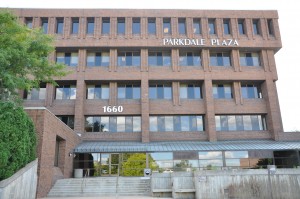
In this first series, Mark O. Heiligman talks with The AfricaPaper at Parkdale Plaza where Vice President Sam Sumana first met him. He explains what went wrong, and stresses that he can’t rest his case till the VP pays all monies due to their former financier, David N. Kloeber. The embarrassment is spinning political heads in Sierra Leone and now the VP’s position is on a tipping point.
Vice-President of the Republic of Sierra Leone, Alhaji Chief Sidique Samuel Sam Sumana’s political career is hanging on a life support as Sierra Leoneans wait for President Bai Koroma to announce a new running mate.
As corruption scandals continue to hunt Sam Sumana at home and abroad members of the ruling All Peoples’ Congress (APC) interviewed in the United States and Sierra Leone told The AfricaPaper that they want Sumana to follow the example of prominent world leaders: quit when their political presence become an embarrassment to their nations and compatriots. APC members in the Diaspora considered him a political liability for their party.
Accusations
Samuel Sam Sumana has been accused of involvement in shady business deals by former business partners. In 2010, he was briefly named in a cocaine and drug scandal in the West African nation. Top ranking officials lost their jobs, but the VP was unshaken.
He was also named in a $300,000 lawsuit involving business with Taakor Tropical Hardwood Ltd filed in Arkansas. He was cleared, and his former business partners said he was not involved in the said lawsuit. Recently, Al-Jazeera, the Qatar based TV network hastily reported that Sam-Sumana used his office through political surrogates to take bribes to enable investors to log timbers.
In an interview with The AfricaPaper in 2010, Sam-Sumana said he has a ‘corporate background’ but not involved in any business since becoming vice president. It turns out to be untrue. The VP was still doing business and his business partners buttressed that he did not officially resign from United Diamond Mining Company in Minnesota.
For the first time, Heiligman, Sam Sumana’s accuser agreed to talk to The AfricaPaper in person. A man more engaging in conversation contrary to what many Sierra Leonean journalists have written without meeting him.
Parkdale Plaza Photo: The AfricaPaper
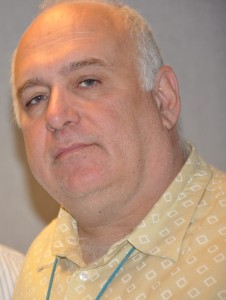
Mark Heiligman, president of Landmark Diamond and Precious Metals, Inc, who met the vice president nine years ago, now accuses him of not paying a $34,000 loan he took from former business financier David Kloeber.
Heiligman stressed that the Sierra Leonean vice-president hasn’t returned machines worth more than $750,000; nor accounted for a container of goods worth $300,000. He also noted that Sam-Sumana didn’t inform his former partners about the standing of their now defunct United Diamond Mining Company registered in Minnesota and Sierra Leone.
In his first ever interview on camera, Heiligman, explains why he published his open letter on a website associated with supporters of the opposition Sierra Leone Peoples Party (SLPP). He says he is not aware of the country’s politics.
Malicious?
Sumana’s supporters claimed it is a “malicious propaganda and character- assassination campaign,” that is being mounted by the “opposition and some media outlets” against Sumana.
But on a cold morning in Ohio, many of them indicated that Sumana never fulfilled his promise to the party after taking office, and falls short of the amount of contribution he had earlier told party members that he would bring to the table.
Political Opportunism
For the media, the evidence against Sumana’s reckless political opportunism is in the open, and journalists need not to look afar. Sumana has not helped to clam the corruption storm against him over the past few months. He refused to talk to the media until he was pressured to do so. He intimidates reporters in his country and told The AfricaPaper in 2010, that he had to close two radio stations while President Koroma was out of the country to prevent a situation similar to Rwanda, where Radio Libre des Mille Collines broadcasted hate speech in the ’90s.
When Al-Jazeera, the Qatar-based network aired a documentary on Sumana’s logging connections, a team of Sierra Leonean journalists and supporters abroad took to the airwaves and the internet to defend him. Meanwhile, businessmen in Sierra Leone and overseas continue their demands for Sam-Sumana to pay monies they said he owes them.
During the country’s 50 years of independence, it citizens have voted for a range of politicians that represented themselves rather the people of Sierra Leone. Many like Sam Sumana have been involved in corruption scandals that have contributed to crippling the country’s political and economic development as foreign businesses relocate to neighboring Liberia and Guinea.
Mark Heiligman, President of Landmark Diamonds Photo: The AfricaPaper
No Luck with the Political Elites
After a decade-long bloody war, Sierra Leoneans haven’t had any luck with their political elites. In the ’80s the country was enmeshed in what became known as ‘voucher-gate’ from the top to the least civil worker in the Ministry of Finance and other government sectors. Politicians and government officials faked pay vouchers, and paid non-employees to use faked ID cards to collect salaries and shared the spoil – it was known in the local Krio as ‘die-man racket’ (the dead-fraudster).
These days, some politicians are engaged in conning outsiders to raise funds and build their political careers at home. Luring business partners into the country, cheating and disappearing into thin air and never traced.
Sierra Leone’s recent history after the decade-long war signals many problems from the country’s political elites and parties: lack of money for politicking. To win elections in a country emerging from war without investors and sponsors, the two main political parties – Sierra Leone’s People’s Party (SLPP) and APC turned to their supporters and potential candidates abroad to raise funds for campaigns at home.
Broader Concerns
Sumana’s sponsors and various business partners in the States suspected that he used their monies to fund his vice presidency, but without proof. Nevertheless, the VP’s business dealings signal broader concerns about building Sierra Leone’s reputation after years of conflict. This means potential investors have to evaluate risk of doing business in a country with about 36 percent literacy and an estimated 70 percent unemployment.
With a pattern of political patronage, many see Sumana’s attitude as ‘disgraceful’ said a close family friend of the Sumana’s. His actions tend to impede development rather than contributing to Sierra Leone’s development his critics claimed.
President Ernst Bai Koroma is now forced to seek another running mate from the same Kono region.
This is the first part of many series. Send any information toThe AfricaPaper.
World Copyright 2012 The AfricaPaper, USA. All rights reserved. Photos and text may not be published, broadcast, rewritten, redistributed or used in any form without the written permission of The AfricaPaper Media Corporation and AIIR.
Gambians Protest Jammeh’s Mass Killing. Photos: The AfricaPaper
No Justice No Peace
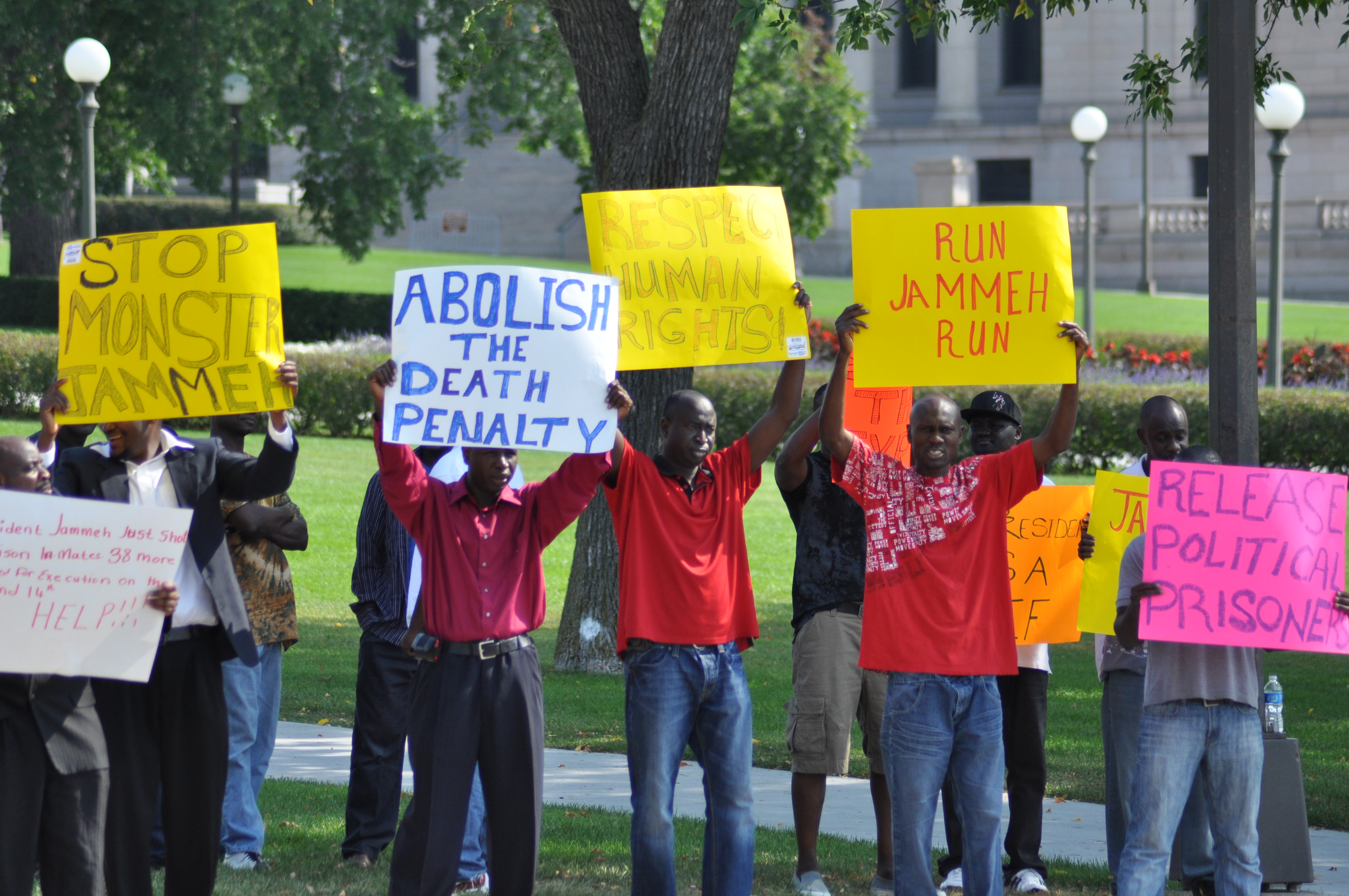
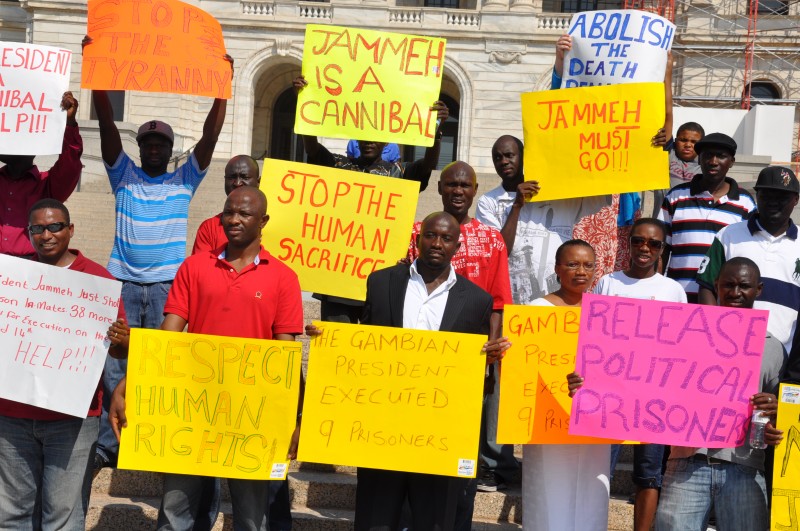
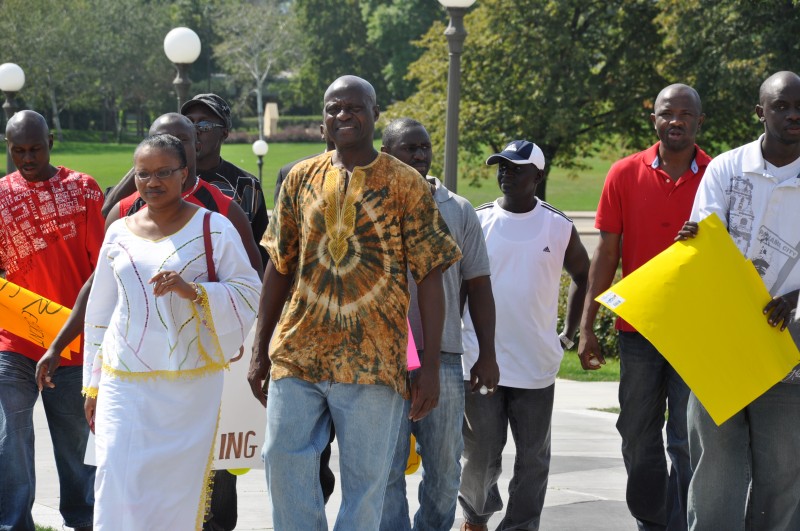
St. Paul, MN – Gambians and Senegalese nationals took to the State Capitol in downtown St. Paul, MN on Monday to protest against President Yahya Jammeh’s mass execution in the Gambia.
They shout “No justice, No peace” and “Jammeh is a criminal”. Placard slogans read: “Abolish the death Penalty,” and “Stop the killing.”
As they cry out “We need freedom and peace,” their voices mixed with a possible hint of disgust for the Gambian tyrant was audible at the demonstration as vehicles honked by. They want their government to “stop the execution now.”
Slogan: Stop Mass Execution
This is in reaction to the Gambian president’s execution of nine death row inmates that include a woman and two Senegalese nationals. The demonstrators want Minnesota Senators, House Representatives and the US government to support their cause and pressure Jammeh whose relatives and government officials frequently visit the United States.
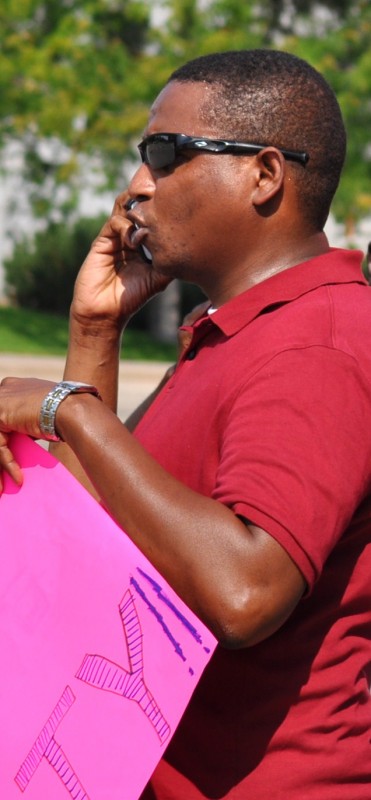
“At this time the basic human rights of people, does no longer exist in The Gambia,” said Papa Faal one of the organizers and committee member at the St. Paul demonstration. “People are so afraid to say anything against Jammeh without the NIA [National Intelligence Agency] coming to pick you up… and jail you.”
The demonstrators want to halt Jammeh from carrying out further execution as he reportedly plans to do on Sept. 8 and 14. Many believe Jammeh is becoming a terrible dictator in a country gripped by fear.
“He is arresting people who have done very minor things … and jailing them for treason. Killing them for no reason,” said Faal. “There is no death penalty in our constitution. We are a signatory to the abolition of the death penalty.”
Jammeh Must Go
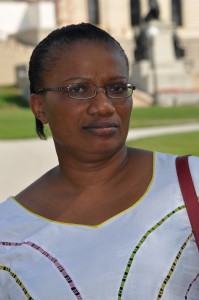
Fatou Jaw-Manneh
At the demonstration Faal and Fatou Jaw-Manneh, a member of the organizing committee encouraged Gambians to stand up against Jammeh and address the problems in their country.
“The man is too brutal,” said Jaw-Manneh. “We are not animals… Jammeh should not decide who should live, die, eat or travel. It is unfair.”
Similar to Jaw-Manneh’s view, her fellow citizens said the “dictator must to go.” They plan to continue mounting pressure on the Gambian president till everyone feels safe to go home anytime they want.
“Only a coward can run away from his own issues. Gambians have to stand up against Yahya Jammeh …every little thing counts,” said Faal to the chanting group.
Shock-Waves
Mid-last month, the West Africa nation’s leader promised his people that:
“By the middle of next month, all the death sentences of a number of prisoners would have been carried out to the letter,” President Jammeh said in a televised speech on August 18. “There is no way my government will allow 99 percent of the population to be held to ransom by criminals.”
When the former Sergeant Jammeh first announced during the month of Ramadan that he was going to execute the 47 death row prisoners, Gambians were shocked by his statement. The Civil Society Associations of Gambia (CSAG) condemned his remarks.
“President Jammeh’s remarks, Sunday August 18, during a traditional Eid-el-Fitr visit of Muslim religious leaders, has sent shock waves and angst among the families of the death row inmates,” stated the GSAG August 22 press release. “President Jammeh’s remarks though not new, are shocking, troubling, distressing and do not augur well for the already deteriorating human rights standards of The Gambia,”
After the Ramadan, Jammeh approved the killing of the inmates. Amnesty International said most of them are political prisoners that have faced unfair trial of the past years.
No executions have been carried out in The Gambia since 1987. The death penalty was abolished when ousted president Dawada Jawara was in power but reinstalled in 1995 few months after Jammeh hijacked power in a military coup d’état.
“He has been killing Gambians for a long time,” said Jaw-Manneh. “This time, he wants to make it official.”
Diplomatic Bungle
Papa Faal
As Jammeh threatens to execute the remaining 38 death row prisoners this month, the Gambia faces isolation from the international community. Many of the inmates have been convicted of treason for allegedly planning a coup against him.
The Minnesota demonstration shows the growing frustration among Gambians and Senegalese nationals as Jammeh continues to entrench himself in power for almost 18 years.
The nine prisoners including a woman and two Senegalese citizens were executed on August 27 as Faal and organizers at the demo noted.
Jammeh’s action also prompted a diplomatic outcry from neighboring Senegal. Senegalese President Macky Sall expressed dismay over the killing of his citizens. In a statement, Sall said the Gambia disregarded his government and had not bothered to follow standard diplomatic protocol by informing Senegal of the execution.
“He killed two Senegalese among the nine people executed and never informed Senegal about it,” Faal emphasized.
Jemmeh’s government also refused to repatriate the bodies of the two Senegalese, reportedly buried in Gambia’s Mile-Two Central Prison.
Last year, the UK ceased bilateral aid to the Gambia expressing concern about Jemmeh’s human rights record.
The African Union, the Economic Community of West African States has expressed shock after Jammeh executed the nine prisoners. The French and Nigerian governments and human rights organizations also condemn the killing.
Black-Black Boys
Gambians at the State Capitol
Jemmeh’s personal militias, the Black-Black Boys now rival with the Gambian forces. Reportedly, the Black-Black Boys known for their black outfits and gloves began as Jammeh’s secret killing-squad, but in recently months become an auxiliary group that threatens even the country’s forces.
“Day and night people are disappearing. Their families are crying. They don’t see their bodies,” observed Faal. “The Black-Black Boys would get a call from Jammeh or his proxies, get drunk and capture who they are supposed to capture and the person disappears.”
The Black-Black Boys are said to be mostly foreign trained mercenaries and Gambian thugs that Jammeh depends on to clamp down dissenters and political opponents across the country. Many of the death row inmates are said to be military personnel.
“Yes he has killed many soldiers,” says Fatou Jaw-Manneh. “Some are still incarcerated. They are his close colleagues and his targets.”
The recent execution ends a 27-year respite on the death penalty in the Gambia, a popular tourist destination fondly known as the ‘Smiling Coast of Africa’. For Jammeh’s victims, his increasing threat to freedom in the country is nothing to ‘smile’ about.
Human Rights Violations
Jammeh, described by his critics as a political tyrant in a tiny nation, has long faced international criticism for human rights violations in his country. Under his regime, the number of missing persons has increased and journalists are bombed to death according to the New York based Human Rights Watch, and Committee to Protect Journalist (CPJ).
“Those who accuse me of human rights violations, let me tell you one thing: We have so many people that have been sentenced to death. Nobody has ever been executed. Do you think I’m afraid of executing them? No,” Jammeh, 47, told the BBC in a rare interview in November last year.
“So, if I don’t execute people that have been condemned to death by law, do you think I want to earn a one-way ticket to hell by killing people that have not been tried by any court of law?”
Last week Tuesday, the US State Department criticized Jammeh’s government for “lack of transparency and haste under which these executions were effected and the apparent lack of due process in the proceedings leading to these death sentences.”
The Gambia-Big-Man
“Go to hell,” said Yahya Jammeh
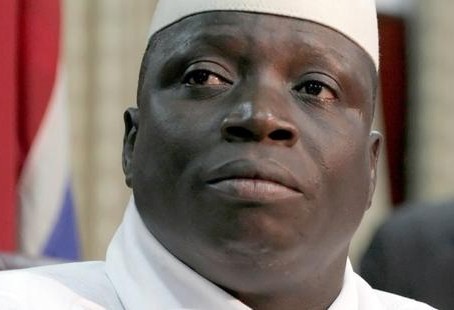
Gambian President, Alhaji Sheikh Prof. Dr. Yahya Abdul Aziz Jamus Junkung Jammeh as he prepares to be called, seized power in a military coup on July 22, 1994. Since then, he has tightened his grip on his country.
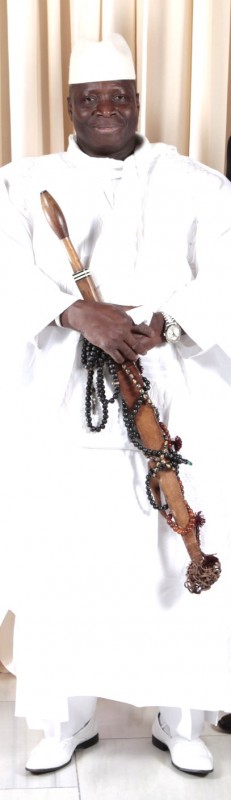
Once a man in military fatigues, Jammeh a former wrestler now loves flowing white gowns and claims to cure AIDS in Gambia. He won his fourth term in power with 72 percent votes in November last year. Observers say it was unfair, and the opposition said he rigged his way to power.
Mr. Jammeh rules his country of about 2 million with endless political intimidation by creating an atmosphere of fear. Earlier this year, former minister of information and communication, Dr. Amadou S. Janneh, was arrested and charged with treason for making and distributing T-shirts bearing the slogan “End to Dictatorship Now.”
After winning his fourth election last year, he told his critics to “go to hell” because he only fears “Allah.”
“We are not going to be afraid of Yahya Jammeh,” said Jaw-Manneh. “He is just one man. It [Gambia] is our home…. Jammeh cannot continue killing Gambians.”
At the end of the demonstration, community elder Kawsu Touray prayed for Gambians and their country. TAP
The AfricaPaper is planning a special report on The Gambia. Please send us any information, documents, photos or sources in Gambia.
The AfricaPaper is published by the Africa Institute for International Reporting (AIIR) a non-profit and non-partisan organization.
SEND ALL INFORMATION AND PHOTOS TO:FOCUS ON THE GAMBIA, EMAIL: info@fbg.358.myftpupload.com
Brooklyn Center – Gambians, Senegalese and friends of The Gambia are preparing for a mass demonstration in St. Paul, MN on Monday Sept. 3 from 10.00 a.m. to 12.00 p.m. CST.
This follows few days after President Yahya Jammeh executed nine of the 47 death-row inmates by firing squad in the Gambia. Those murdered included two Senegalese nationals.
“This is to demand that Jammeh stop the impunity and the mass executions of death-row inmates,” reads the press release. “From 1994 to date, Gambians have witnessed nightmares of unleashed state terror ranging from abductions, arbitrary arrests, killings and other human rights violations.”
The organizers are encouraging families and friends to participate in tomorrow’s demonstration as Jammeh plans to continue the killing.
“Come and help protect the remaining lives on the verge of being executed by Yahya Jammeh. Remember the good old saying that the life you save might be your own,” the release ends.
The demonstrators will converge at 75 Rev. Dr. Martin Luther King Jnr. Blvd, St. Paul, Minnesota 55155.