Home Blog Page 57

Sierra Leone is Ruled by Greedy Politicians – Says New Party Leader

2


Abubakarr Kamara | Sierra Leone

FREETOWN – Newly registered Citizens Democratic Party (CDP) has condemned both the ruling All Peoples Congress (APC) party and the main opposition, Sierra Leone Peoples Party (SLPP) for what the CDP leader described as their inability and insincerity to move the country forward.

Greedy Politicians
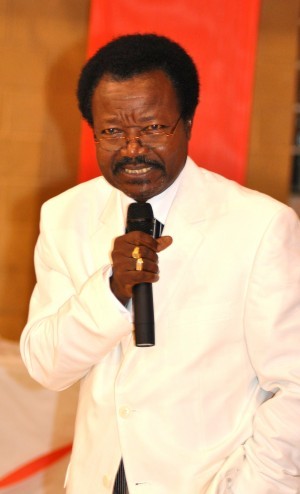
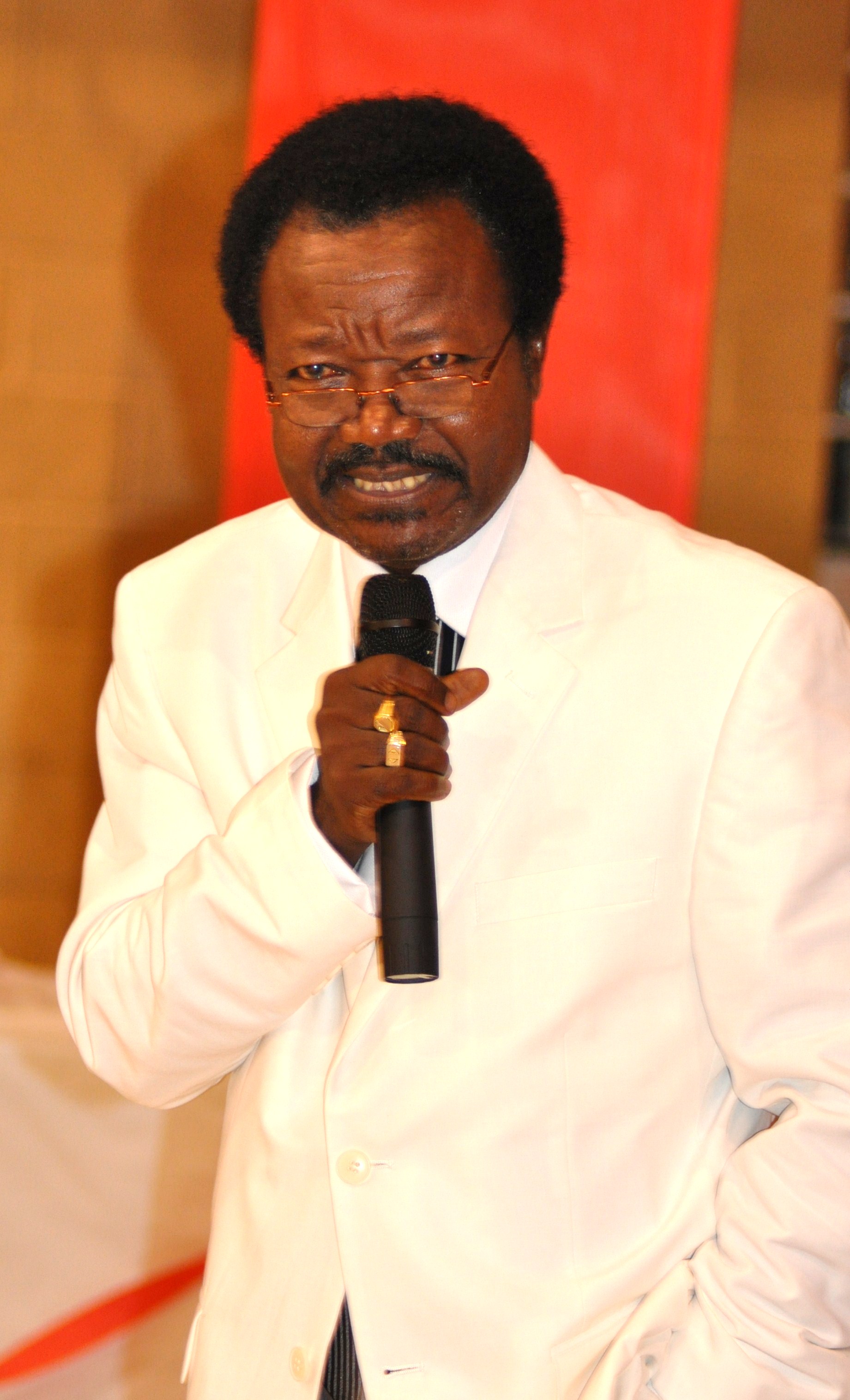
Joshua A. Carew, Chairman and Leader of Citizens Democratic Party (CDP). Photo: (c) The AfricaPaper

Receiving the registration certificate on behalf of his party from the Political Parties Registration Commission (PPRC), the CDP Chairman and Leader, Joshua Albert Carew expressed his dissatisfaction on how the country is being administered.

“Sierra Leone is being described globally as a country with milk and honey but that both the milk and honey are harnessed by greedy politicians, who put their interest before the nation,” said Carew.

Landing in a Mess

“Since independence, the Sierra Leone Peoples Party (SLPP) and the All Peoples Congress (APC) have been ruling this country without sincerity and therefore have succeeded only in landing the nation in a mess. That’s why the CDP, which has a genuine purpose and an Agenda for Change in the country’s perennial leadership problem, is formed.”

Carew further observed that for the past 50 years, the country has seen politicians moving from one party to another “all in the name of change but in reality it is for their selfish interest.” He noted that these recycled politicians have no progressive agenda to offer to the people of Sierra Leone except to “rape the nation’s economy and add insult” to the suffering masses.

Institutionalized Corruption

On how the country can move forward, the CDP leader said Sierra Leone has natural resources that can move it forward even without donor support. He claimed no amount of aid will help this country as long as “corruption continues to be institutionalized.”

“The only way to salvage this nation is for solid structures to be put in place to prevent individuals from gaining access to the nation’s wealth and corruptly converting it to their personal use and benefit with impunity,” Carew said.

“I and my compatriots decided to form a political party so that we can address the ills of this nation in order to allow the wealth of the nation to benefit the people of this country.”

Sour Grapes
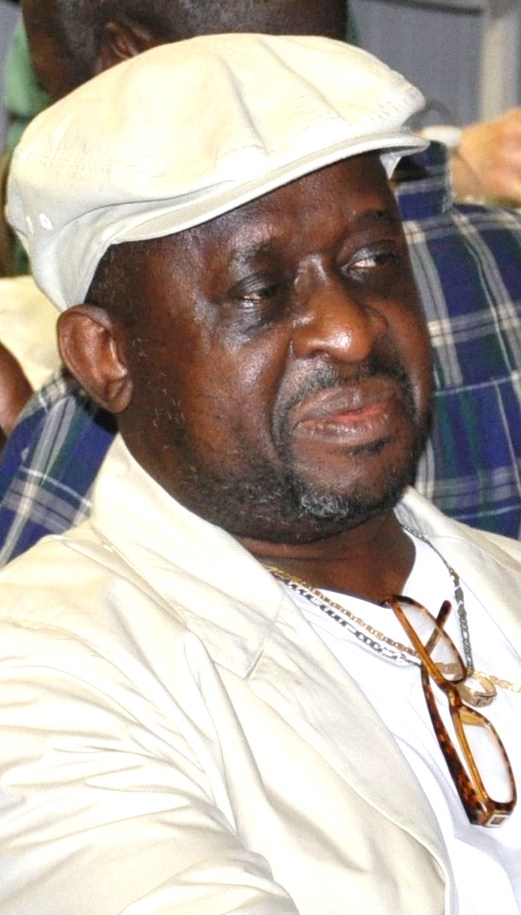
APC Secretary General, Victor Bockarie Foh. Photo: (c) The AfricaPaper, 2012

When The AfricaPaper asked about Carew’s indictment, the APC Secretary General, Victor Bockarie Foh replied, “It’s only when the monkey does not have the grapes that it says the grape is sour.”

In a 2010 interview with The AfricaPaper in Iowa, USA, Carew emphasized that the country is sliding into poverty each year. Sierra Leoneans, he opined are not seeing any improvement in their standard of living despite the abundant mineral resources as compared to other African countries.

Missing Goals

“I think we are missing the goal by looking [forward] to the government more or less to do things for us, that they [Sierra Leonean government officials] have not shown interest to do.”

According to Carew, Sierra Leoneans are busy fighting themselves in different divisions, instead of addressing the real issues of development. His party thinks such issues should bring people together, and gear the country towards prosperity.

Though the ruling APC argues that it is improving Sierra Leone, Carew believes, the CDP, which he originally called a ‘movement’ is willing to help the government to identify any true development in the country.

“The APC is full of technocrats who have the country at heart and therefore have the ability to move it forward,” said Foh.

Massive Education

On the main difference between the CDP and the other political parties, Carew explained that the CDP will embark on massive education in Sierra Leone; an educational program that would include politicians and Sierra Leoneans at home and abroad.

“In fact the economy of that country [Sierra Leone] depends solely on those of us sending money to different people and projects to improve that country,” said Carew, emphasizing that his party’s educational program will also focus on youths, and ensure that they are conversant with current sociopolitical developments and economic trends in Sierra Leone.

“We want people to understand the politics of both here [USA] and over there [Sierra Leone] and how things are done.”

Discouraging Corruption

The CDP leader said their party wants to bring change by addressing corruption in Sierra Leone, holding government officials accountable, and encourage transparency. These, according to the CDP would be possible by shifting political power to the people.

“If people don’t do their job as government officials,” Carew said. “The people [of Sierra Leone] have the right to remove them from office.” The CDP plans to introduce a National Acceptance Card (NAC) with dos and don’ts that every public servant should sign.

“When any public servant violates the rules, he or she has 24 to 48 hours to go air, apologize to the nation and resign,” added Carew, who believes it will discourage corrupt officials and send a clear message in the country that a “government office is not a personal property.”

Hopes and Allegations

Started as a movement in January 2010, Carew emphasized that the CDP is expanding and its membership is growing in Sierra Leone and abroad; figures which he can’t disclose for now.
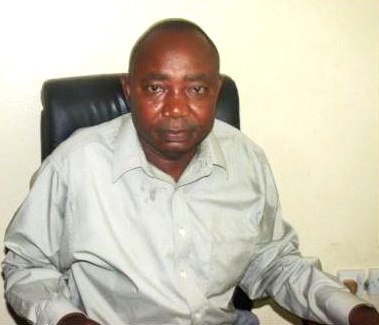
SLPP's Publicity Secretary, Musa Tamba Sam. Photo: (c) Abubakarr Kamara, The AfricaPaper

SLPP’s Publicity Secretary, Hon. Musa Tamba Sam, told The AfricaPaper in Freetown, that the CDP leader’s utterances are ‘unfortunate,’ noting that Carew is unpopular even among his nearest relatives.

“In terms of governance, even the APC can agree with me that we did remarkably well during our tenure[in office]. The CDP doesn’t have a base yet and therefore should be busy setting up what will make it a credible party rather than criticizing what they will never do,” said Tamba Sam.

“These are parties that only surface when elections are on the way, and fade out immediately after elections; only to resurface again after another five years.”

Lacking an Agenda

“I’m happy the new party is here and the leader is saying his party has a very good agenda for this country,” said Secretary Foh. “I only hope and pray that if he loses the elections, he will continue to help build Sierra Leone.”

The CDP leader also opined that the two main political parties do not have a clear agenda or plan to solve Sierra Leone’s current problems. The obstacle: “They [politicians] work for their pockets instead of the country,” charged Carew.

“I am a Sierra Leonean in the first place. For the past 50 years, if they [APC and SLLP] haven’t had anything in place, and have led us to this mess, then we need a change to have checks and balances,” stressed Carew, in response to Victor Foh and Tamba Sam. “We can’t forsake our people in our drive to make our country, one of the richest in Africa.” TAP

Issa A. Mansaray contributed to this story from Iowa and Minnesota, USA

© The AfricaPaper, 2012
Opposition PMDC Blames Sierra Leonean President for Violence

3


Abubakarr Kamara | Sierra Leone

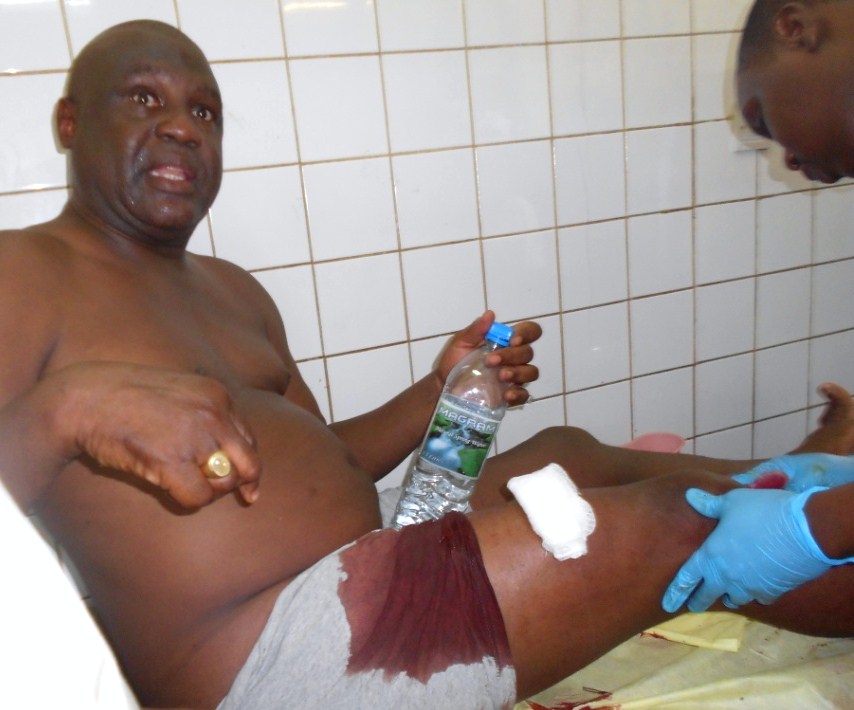
FREETOWN – After what seems to be a warning shot to the November 17 elections this year, the Peoples Movement for Democratic Change (PMDC) has blamed President Ernest Bai Koroma for the recent spate of violence in the country including the recent bye-election fracas in the Fourahbay Community that left several people wounded and gave him a four-week ultimatum to fully implement the Shears-Moses Commission of Inquiry Report preceded by a Government White Paper.

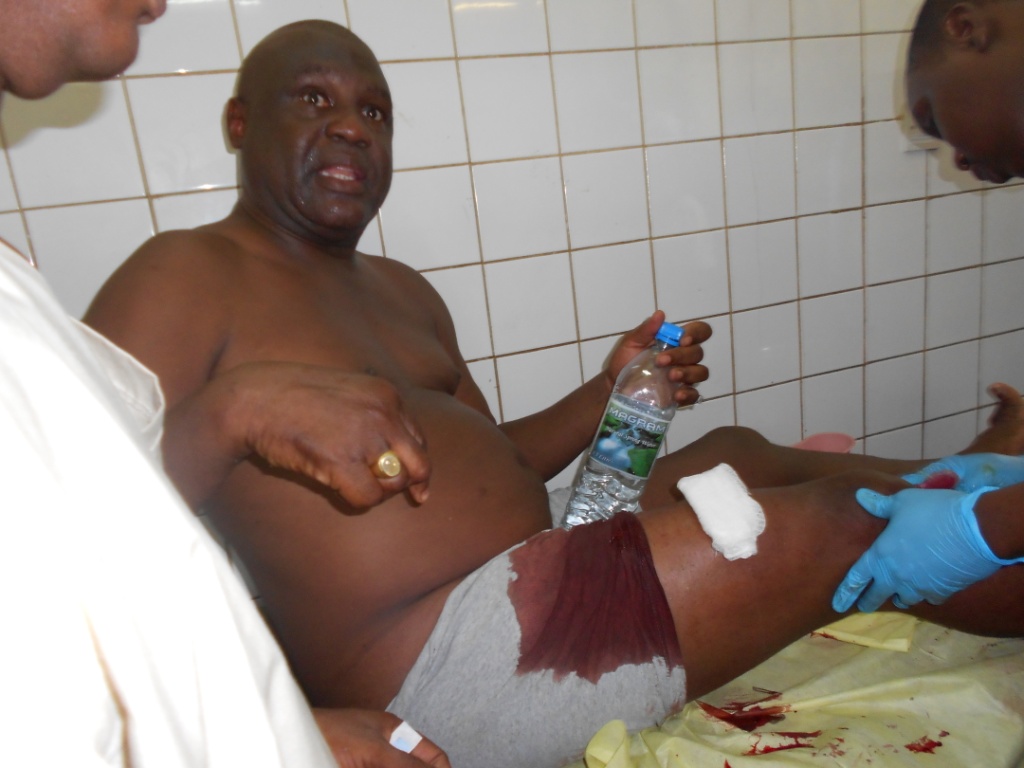
Violence victim, Lansana Fadika receiving treatment. Photo: Abubakarr Kamara, The AfricaPaper/Freetown

Fracas

Few weeks ago, supporters of the ruling All People’s Congress (APC) and the main opposition Sierra Leone People’s Party (SLPP) engaged in a fracas during the Councilor bye-election for Ward 369, Constituency 104, wherein members of both parties sustained injuries due to hostile groups belonging to both parties.

Violence

“The PMDC attributes the continued violence in the country to the lack of will on the part of President Ernest Bai Koroma to act decisively in matters directly affecting his political cohorts and trouble makers,” says Charles Francis Margai, the PMDC party leader.

“The President should realize that he has a sacred duty to protect the lives and property of Sierra Leoneans and non Sierra Leoneans alike, regardless of political lineage, patronage or cronyism,” said Mr. Margai.

“Failing to discharge this noble duty is likely to ignite impeachment proceedings leading to his removal from office, by invoking Section 51 of the Constitution of Sierra Leone Act No. 6 of 1961.”

Court

Mr. Margai recommended that all perpetrators of the violence be charged in court and given an impartial trial. The PMDC leader also asked the President to independently investigate the arrest of Aziz Carew resulting in him left in coma and urge the people of Sierra Leone regardless of party affinity to brace for a peaceful demonstration denouncing violence.

Malice

However, several people on the streets believed that the utterances of the PMDC Leader is full of malice as he had recently fall out with the President in what some political analysts described as unfortunate for both the APC and the PMDC.

“Had there not been any problem between the two parties, one would have said the statement by the PMDC is worth its salt but going back to history, one will discover that the PMDC Leader was a great admirer of the President,” says Alhassan Jah, a political commentator in the capital, Freetown.

“Their friendship sours later and speculations were rife that the PMDC leadership was making perpetual demands from the APC, which did not go down well with the President.” TAP

Senegal Waits for a New President

7


As Senegal prepares for a run-off election, our correspondent in the capital, Dakar, reports on President Abdoulaye Wade’s quest for a third team and his quarrel with his people.

The AfricaPaper | Senegal

DAKAR – As the sun beats down in Senegal, thousands march through the capital, Dakar, protesting against President Abdoulaye Wade who refuses to give up power.

At age 85, Wade stretched the legal limits of the country’s constitution and manipulated parliament to secure his third term in power. His move to stay in power at all cost has angered the opposition and triggered his critics to cry foul. Few weeks ago, youths in Dakar throw stones at the police firing teargas on dense crowds.

“Constitutional coup d’état”

Wade’s poster

Since the 19th century, Senegal has enjoyed a string of free and fair elections, occasionally becoming the envy of many African countries. The past few months have been tense as Wade’s government tightens its grip on power, and filling prisons with his political opponents and journalists.

Dakar has become chaotic in recent months with waves of protesters describing Wade’s action as a “constitutional coup d’état.” In an interview last month, the elderly president claimed he authored the country’s constitution alone when critics charged he has violated it.

“The constitution,” Wade said. “It was me that wrote it, all alone.” But, many disagree and patiently wait for his exit.

After his election in 2000, Wade changed the constitution, limiting presidents to two terms of five years in power. And then, a year after his 2007 re-election, he again change the presidential limit in power to two terms of seven years, giving him the mandate to run in this year’s election.

Wade is known for frequently shuffling his cabinet, and changing the constitution when it suits him. Last month, his appointed Constitutional Court approved his interpretation of the presidential term limit that triggered the wave of protests and violence on the street of Dakar.

He is one of Africa’s oldest leaders that don’t want to fade away easily from the political limelight. Ironically, Wade once chastised African leaders who stay too long in power.

“It is African politics, he becomes a king,” Alioune Samb, Treasurer of the Minnesota-based Senegalese Association, explains why Wade won’t go way. “It comes to a level where he attains a status of living; it is hard for him to leave. Now he is hanging on to power.”

Samb opine that Wade’s refusal to leave power is a disappointment to many Senegalese.

Vigor president

Seeking his third term, Mr. Wade claimed his opponents lack the vigor to lead Senegal as he has done during his 12-years rule. Many Senegalese interviewed by The AfricaPaper in Minnesota described his rule as one marked by crude political statecrafting. Giving the opposition limited time on public radio and TV stations.

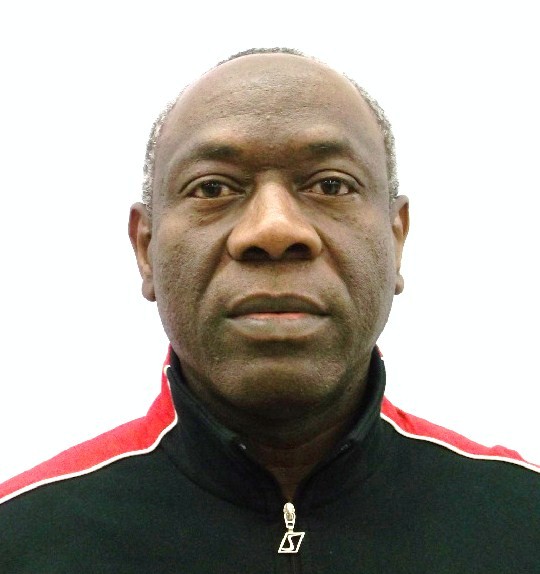
Alioune Ndiaye, president of the Senegalese Association of Minnesota

Senegal, a country with 12.5 million people depends on foreign aids, peanut farming, fishing, and phosphate. Senegalese expect a political and economic change this time.

“Political and economic change will come,” said Alioune Ndiaye, president of the Senegalese Association of Minnesota. “This time, no one will stay there forever.”

Mr. Wade studied and thought law at Lycée Condorcet in France. He also holds two doctorates in law and economics, and previously served as dean of the law and economics faculty at the University of Dakar. He once claimed that he is the most educated president in Africa.

Corruption

For several years, Wade enjoyed a healthy relationship with his people. Now, many accuse him of corruption and nepotism. When Wade was elected in 2000 he supported the two-term limit for the presidency.

“This year, he changed his mind because of the people around him,” said Ndiaye. “They are engaged in illicit activities and want to cover their tracks.”

Wade’s cabinet has been accused of corruption on many counts. Some of his minister entered office without any assets or money to boast of, these days, many have become filthy-rich and own businesses all over the country

“When this people [Wade and his ministers] came to power they were not rich; they had no money,” said Ndiaye. “Now they own companies, living in big houses, driving SUVs. It is indecent from people leading a poor country; these leaders are so rich.”

As the election fever intensifies, Wade, leader of the Senegalese Democratic Party (PDS) allegedly paid youths from poor areas to rally against the opposition. Supporters claimed that under Wade’s rule, the infant mortality rates have dropped and life expectancy has marginally improved. However, after 12 years, Senegalese want Wade to exit the country’s political stage.

Unemployment

Many Senegalese are unemployed college graduates dissatisfied with Wade for not keeping his promise in providing jobs. Youths find it difficult to get jobs. Wade’s critics said most of his development projects are unrealistic and sometimes do not meet the peoples’ need.

Wade had learnt to massage and spin political messages over the years. When Wade changed his mind for the third term, he said his people are “hungry for democratic continuity,” and satisfied with his leadership.

Senegal is teetering in the level of political chaos seen in West African countries such as Liberia, Sierra Leone, and Ivory Coast. About six people have been killed throughout the country since the elections violence started. The government is making the most out of it.

Dissimilar to many other African countries, Senegal has never had a military coup, and many want it to be as it use to, despite the increasing unemployment, as Wade himself tries to secure his job.

Six million people are registered to vote. Samb and others believe that for an incumbent president, a 34 percent score in the first polls is very low to change the electorate in the second round.

“There is no way that he can overcome that deficit,” said Samb. “It is true he wanted to buy the votes, but that won’t take him too far.”

Nepotism

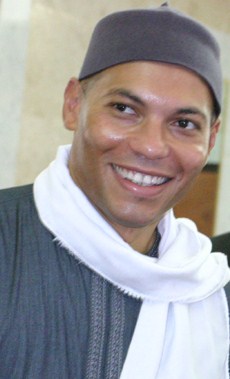
Karim Wade

Wade’s quarrel with his people is more over his son, Karim. Born in Paris, Karim Wade has spent most of his life outside Senegal and has little in common with local Senegalese, but his father appointed him to numerous ministerial positions, and headed major projects in the country.

Wade was a friend of late Gabonese president Omar Bongo, and late Togolese president Gnassingbé Eyadéma. Papa Gnassingbé, as he was commonly known, reportedly killed more than fifteen thousand people during his dictatorship in Togo.

Their sons, Ali Bongo Ondimba and Faure Gnassingbé later became presidents of Gabon, and Togo respectively. Senegalese don’t want this pattern to continue. Mr. Wade has denied allegations of training his son to become the next president.

President Wade’s critics say he is creating a monarchy. Technically, they believe Karim is not a Senegalese and does not attempt to learn any of the local languages. For these reason, they believe, recruiting Karim to lead Senegal would be a tough task. The elderly president’s daughter, Sindjely Wade, serves as his Special Assistant.

“To lead Senegal, we want people who live our lives, and dream our dreams,” said Ndiaye, on Wade’s move to make Karim the next president.

“He started talking about his son, boasting about his abilities, and what he can do for the country.” TAP

Additional reporting by Issa A. Mansaray in Minneapolis, Minnesota.


New Libyan Leader Meets Obama and World Leaders in New York

2


By The AfricaPaper

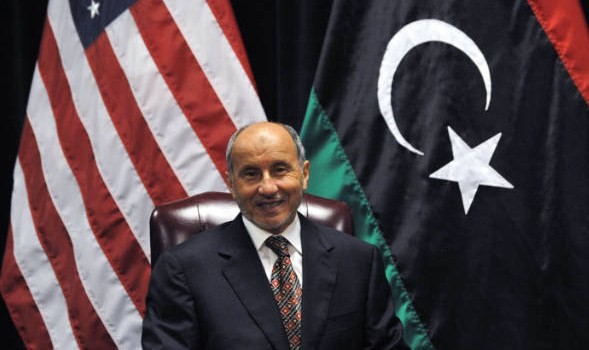
Mustafa Abdel-Jalil

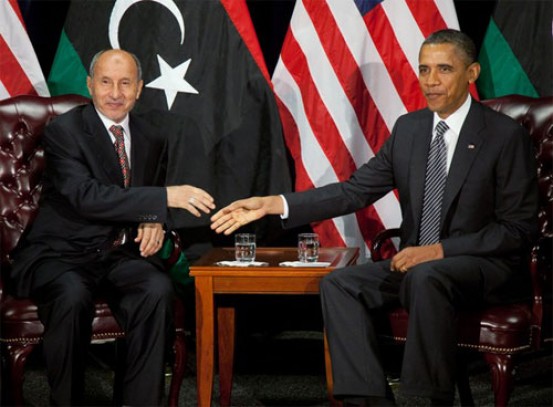
New York–Interim Libyan leader Mustafa Abdel Jalil for the first time met with US President Barrack Obama since his rebel forces ended the 40 year rule of Col. Muammar el-Qaddafi two months ago.

The chairman of the National Transitional Council met with the US president this week on the sidelines of the United Nations General Assembly in New York just before talks between Mr. Obama and US allies on Libya.

Subsequent to the meeting between the two leaders, Mr. Obama called on fighters loyal to the ousted leader to relinquish their arms, warning that NATO mission would continue amidst resistance from remnants of the Qaddafi army. Mr. Obama also used the occasion to announce the reopening of the US Embassy in Tripoli, once again reinforcing US support for the new transitional government in this North African nation of six million people.

“Today the Libyan people are writing a new chapter in the life of their nation after four decades of darkness, they can walk the streets, free from a tyrant.” Mr. Obama said at a meeting attended by Mr. Jalil.

Later in the day, Chairman Jalil, who received a warm reception from the United Nation General Assembly, told world leaders that the new Libya is committed to peace, security and democracy, a statement welcomed by Mr. Obama and his European allies who backed the rebel leader in the wake of the protest against Mr. Qaddafi’s regime.

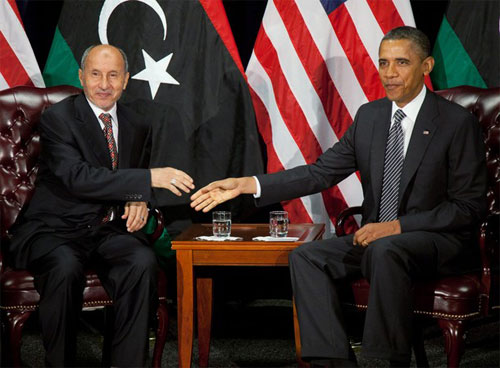
Abdel-Jalil and US President Obama

“I want to assure everyone that Libya will be a vital state, a vibrant state that upholds the principles of peace and security in the region, a state that respects human rights, and establishes a nation in which Libyans can government themselves and seek official position through elections,” Mr. Jalil told the crowd of world leaders.

Mr. Jalil came to the United Nations General Assembly after an overwhelming UN vote to give Libya’s seat to the council following the ouster of Qaddafi.

Hours before Mr. Jalil’s appearance at the world stage, Qaddafi issued a statement denouncing the new regime.

“What is happening in Libya is a charade which can only take place thanks to the air raids which will not last forever,” said Qaddafi, whose whereabouts remain unknown.

The ousted leader and his son, Seif al-Islam along with intelligent chief Abdul al-Senussi are wanted for alleged crimes against humanity

“Do not rejoice and don’t believe that one regime has been overthrown and another imposed with the help of air and maritime strikes, Qaddafi said in a statement broadcast on Syria television, Arrai. TAP

Africa News Briefs

3


SENEGAL – Court reconfirms election results

Senegal’s Constitutional Court has released the final results for the West African country’s first round of presidential elections.

The results read to journalists on Tuesday reconfirmed provisional results from last week that dealt President Abdoulaye Wade a significant blow. Senegal’s aging leader, who had boasted he would win the race outright, will have to face his former protégé in a runoff election on March 25.

Senegal’s electoral code calls for a runoff if no candidate wins more than 50 percent of the vote.
The Constitutional Court says that Wade received 942,327 votes, or 34.81 percent. It says ex-Prime Minister Macky Sall finished second with 719,367 votes, or 26.58 percent.

The race has been marred by violence, and for weeks leading up to the first-round vote on Feb. 26 police battled rock-throwing youth calling for Wade’s departure.

ANGOLA: Government approves new investment law
Angola has approved a new investment law to attract overseas investment in the oil rich country, local media reported. The law came into effect in mid May. Angola, the world’s fifth biggest diamond exporter, had double-digit growth between 2004 and 2008, but has slowed sharply in the last two years due to a slump in oil and diamond prices.

KENYA – A trial at home
Radio journalist Joshua Sang and two of the country’s most powerful politicians including Uhuru Kenyatta are listed in the International Criminal Court (ICC). Kenyatta is running in next year’s presidential election. Sang and other politicians have been seeking public support for their case to be tried in local courts. They claimed they have the support of the current Kenyan president Kibaki and the African Union.

SIERRA LEONE: Grabbing land from the poor and draining boli swamps
Farmers in Makeni signed land contact in exchange for promises of 2,000 jobs. To date, only 50 jobs have been offered. They were assured that the bolilands [swamp land use for farming] would not be drained when the granted Addax Bioenergy, part of privately-owned Swiss Addax & Oryx Group, a 50-year lease on 50,000 hectares (123,600 acres) of land to grow biofuels for Europe. After three years, the boli swamps have been drained, and irrigation has destroyed the bolis with only 50 jobs offered.

SWAZILAND: Too broke to pay civil servants
Swaziland may not pay public servants their monthly salaries, the country’s minister of finance Majozi Sithole told the local press. Last month, the government cracked down on opposition protests, sparked in part by a freeze placed on public employees’ salaries. Run by an absolute monarchy, Swaziland is seeking a US$150 million loan from African Development Bank to inject into its dwindling coffers.

ZAMBIA: High electricity tariffs for miners
Zambia has raised the price of electricity for mining companies by 30 percent in a move that may affect profitability in the industry in Africa’s leading copper producer. Copperbelt Energy Corp. (CEC) and state-owned Zesco Limited said in a statement the price hike would be backdated to January 2011. The cost of electricity to the mines was last raised by 35 percent in 2008.

ZIMBABWE: No money for election
Zimbabwe’s central bank governor Gideon Gono recently announced on state controlled media that the African country’s economy cannot afford an election which could cost US$400 million. “The economy favors no elections for now while political dynamics and imperatives may favor or dictate otherwise,” Gono told the state-run Sunday Mail. Zimbabwe’s economy has shown signs of recovery since President Robert Mugabe and Prime Minister Morgan Tsvangirai formed a power-sharing government in 2009. Zimbabwe goes to the polls this year.

© World Copyright The AfricaPaper Media Corporation